
How to Choose a Wedding Venue in Barcelona and Catalonia
Couples who get in touch with us about venues tend to fall into one of two camps. Some arrive knowing exactly what they want, right down to the stone on the terrace. Far more arrive thrilled about the idea of marrying in Spain and with no real picture of what's out there, so they want all of it: the vineyard, the sea view, the old farmhouse, and a castle for good measure. That's completely understandable, and it can feel a little overwhelming.
If you're in the second camp, this is for you. It isn't a list of our favourite venues (there are plenty of those online). It's how we actually match a couple to a place, and what we've learned from standing in these venues many, many times.
Start with the feeling, not the building
Before we talk about masias or castles, we try to understand what you're really after, and often it isn't a look at all.
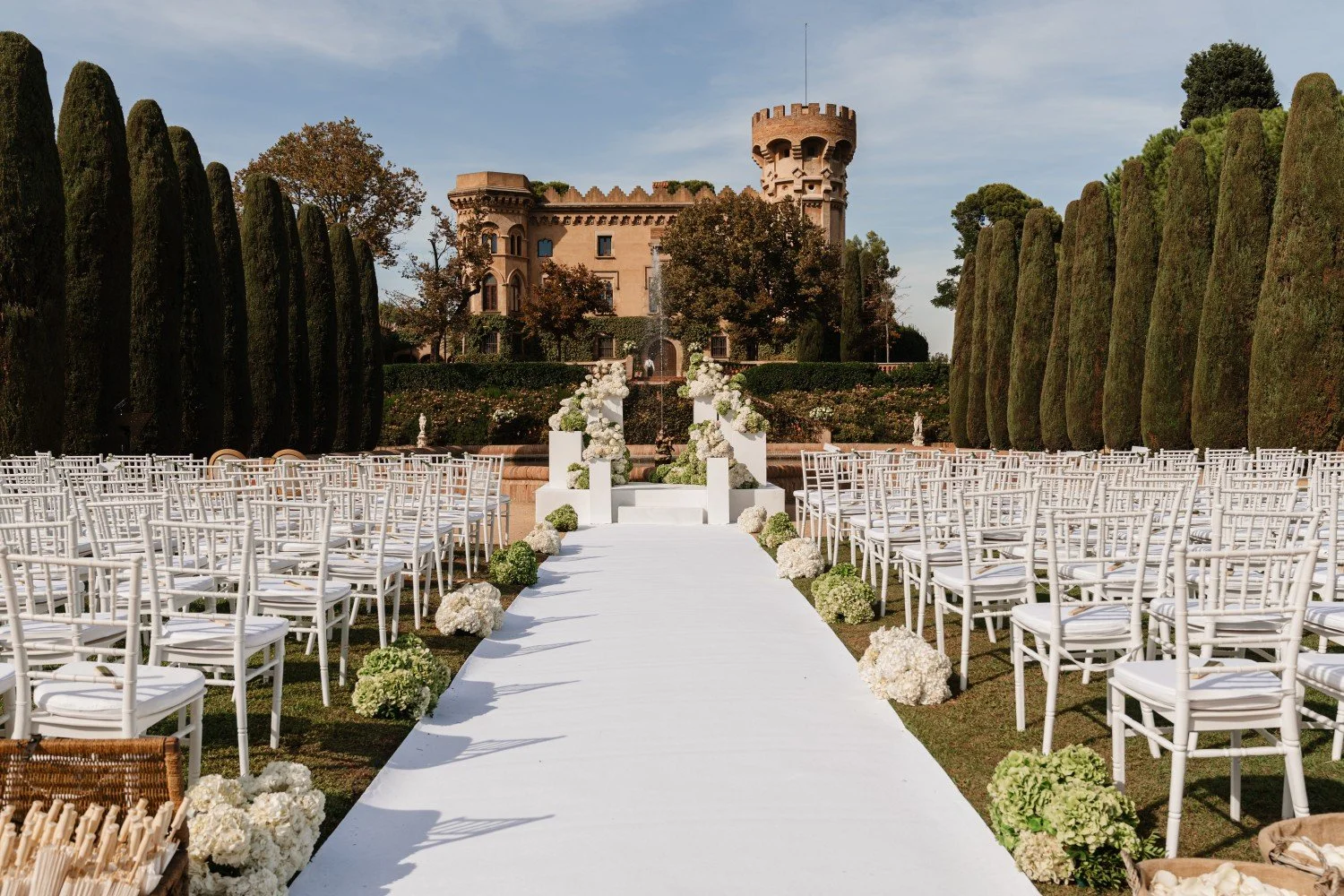
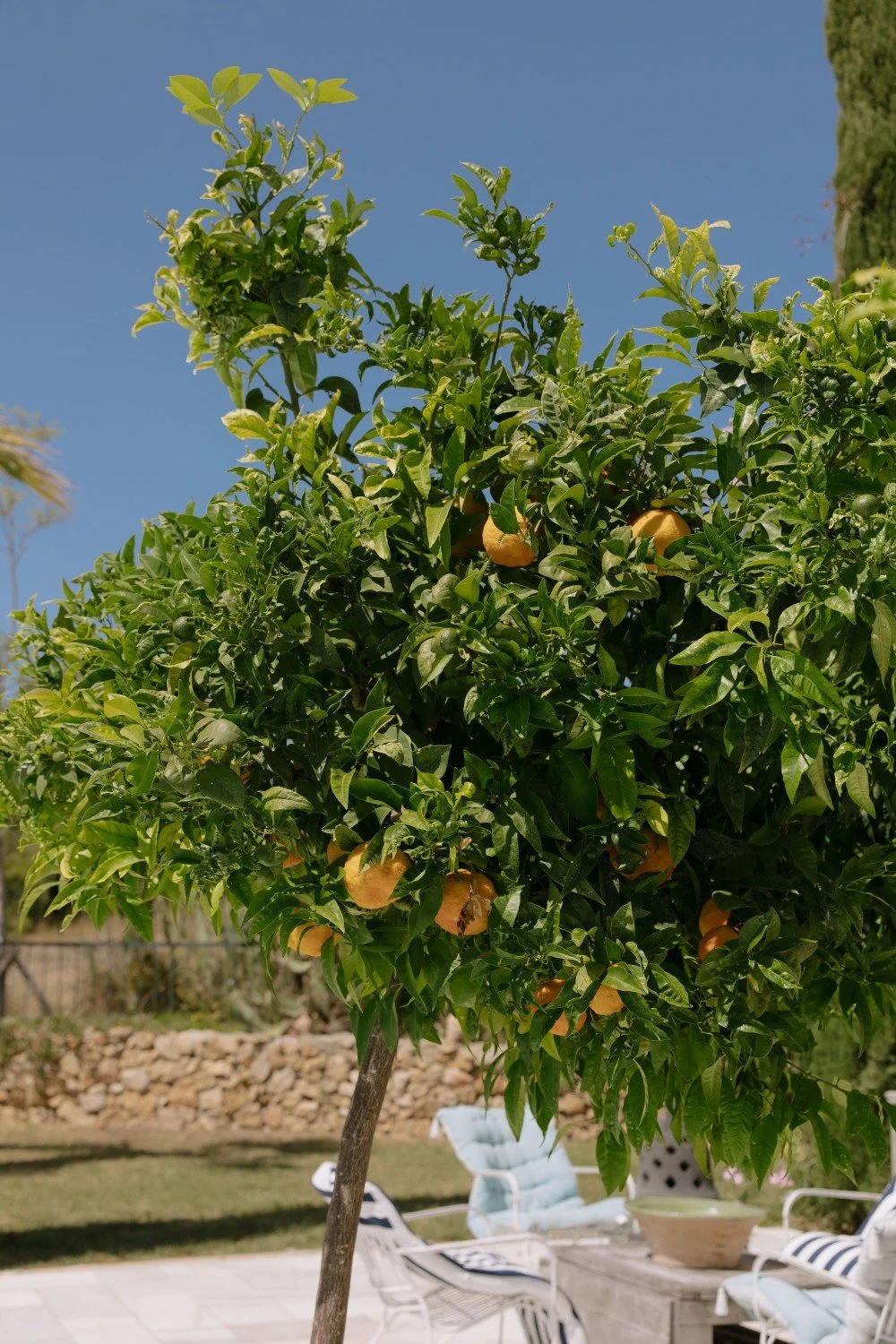
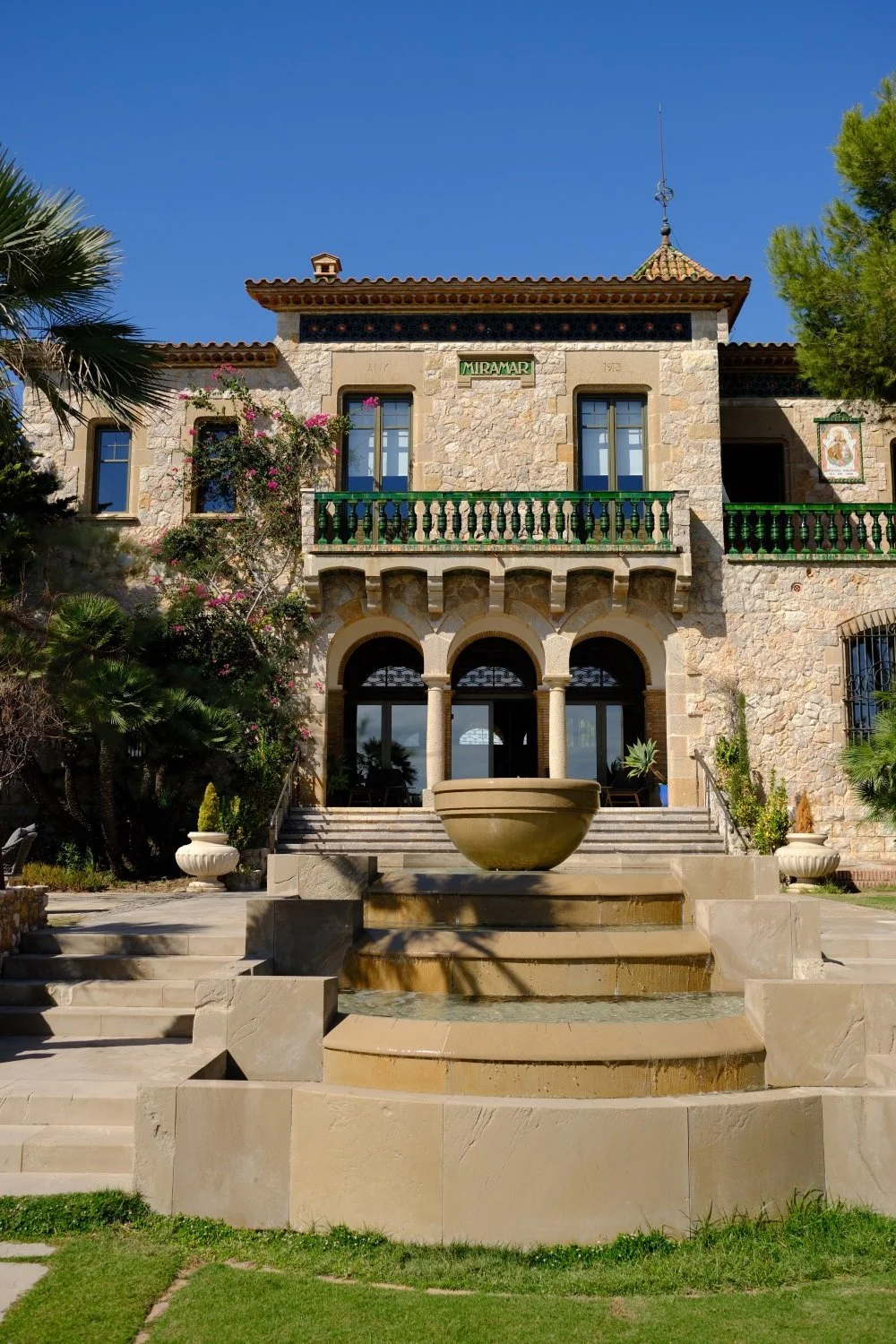
One couple came to us undecided about which area of Barcelona to marry in. What they could describe was a feeling: a weekend that felt relaxed, together and unhurried. We showed them a villa outside Sitges that ticked all of those abstract boxes, and the search got a lot simpler from there. Another couple had no idea a particular estate near Sitges even existed. They fell for the lemon garden at the front, the modernist main house, and a big lawn where they knew, straight away, they wanted a long outdoor banquet.
So we begin by listening. We usually send links to past weddings and see what you respond to, then match as closely as we can. From your replies we narrow things down to a type of venue, put together a short list of three or four, and, where possible, visit together. When that isn't possible, we do it over video call.
Will everyone sleep where you celebrate?
This is the first practical question we ask: do you want accommodation at the venue, or will your guests stay somewhere else, in a hotel for instance?
It sounds like a small logistical detail, but it shapes almost everything else. It decides which venues make sense, whether you're planning a single day or a full weekend, how your guests will get around, and what your budget needs to cover. Many masias and villas have rooms on site, and in high season some of them ask for a minimum stay of several nights. A venue with beds is lovely for a weekend where everyone stays together. A hotel-based plan gives guests more independence and often suits a wedding closer to the city.
What photos can't tell you
Instagram is very good at showing a terrace at golden hour. It's much less good at showing how far the nearest village is, how long the drive from the airport really takes, what the surrounding countryside or town is like, or what the road up to the gate looks like.
That last one matters more than people think. We know venues that are absolutely stunning and still can't be reached by every kind of coach, because of narrow paths or poor road conditions. You only learn things like this by going, and going again. It's the part of venue hunting that's hardest to do from abroad, and the main reason we'd always encourage local knowledge before you fall in love with a listing.
The rules you can't see until you ask
Some of the most important things about a venue never make it into the photos, or even onto its website. When does the party have to move indoors? How loud can the music be outdoors? Is there an exclusive sound or music provider that you're required to use?
Many venues have had to tighten their restrictions lately, and it's easy to see why. Most of them have neighbours, often much closer than you'd guess. The venue has to respect that, so volume limits and cut-off times are set accordingly.
Does that mean a quiet wedding with no dancing? Not at all. It means knowing the rules early and choosing suppliers, from DJs to bands, who understand these restrictions and know how to manage their sound levels. That way the music still works, and you and the venue owner are both spared an unpleasant moment on the night.
The plan B question
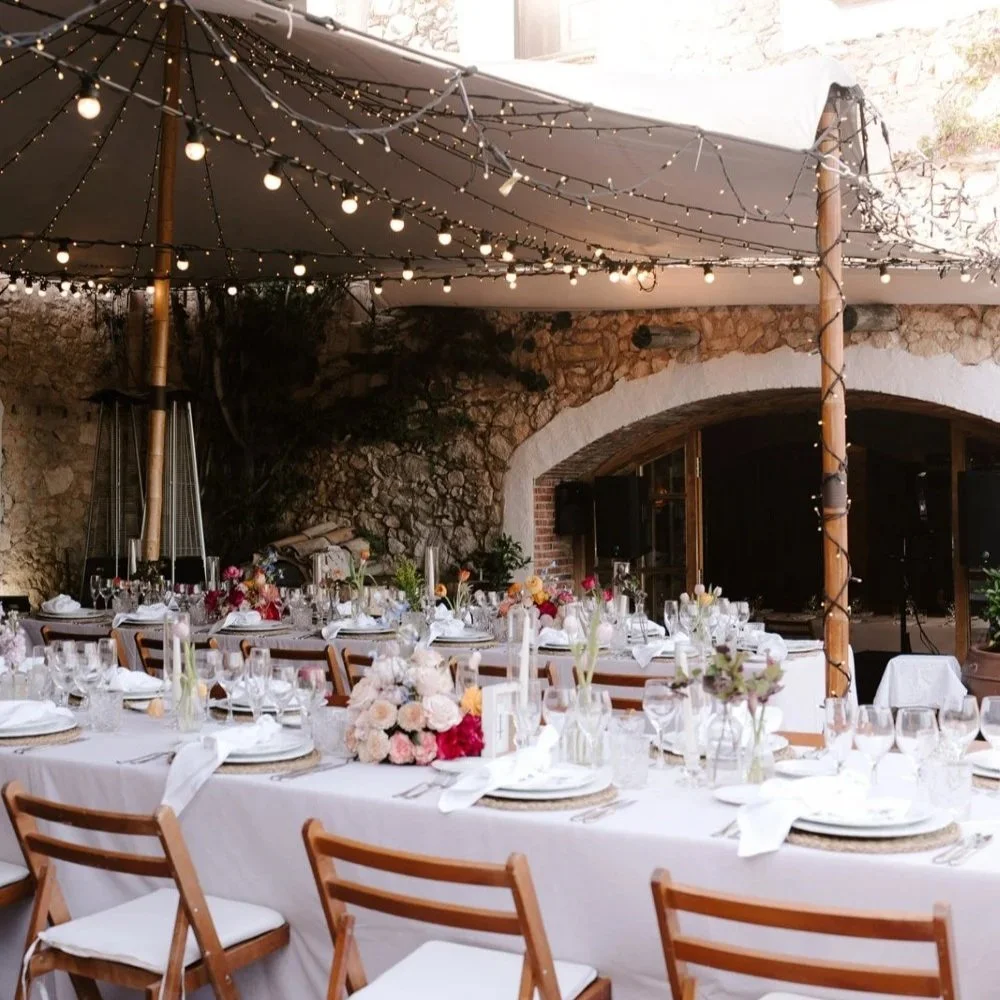
Every outdoor wedding needs a rain plan. What we look at is whether the plan B exists and whether it's good: somewhere you'd genuinely be happy to have dinner, not just somewhere that technically fits everyone.
We only recommend venues with a solid plan B. And if a couple is set on a venue that doesn't have one, we say so before anything is signed, because it may mean renting a marquee close to the date. Much better to know that, and budget for it, at the start than to find out three weeks before.
Why we steer couples away from "wedding factories"
Some venues have hosted hundreds and hundreds of weddings in exactly the same cookie-cutter format. The day tends to follow the venue's template rather than the couple's, and it rarely turns out unique or special. We'd much rather help you find a place where the day can take its own shape.
Room to move: venues for multicultural weddings
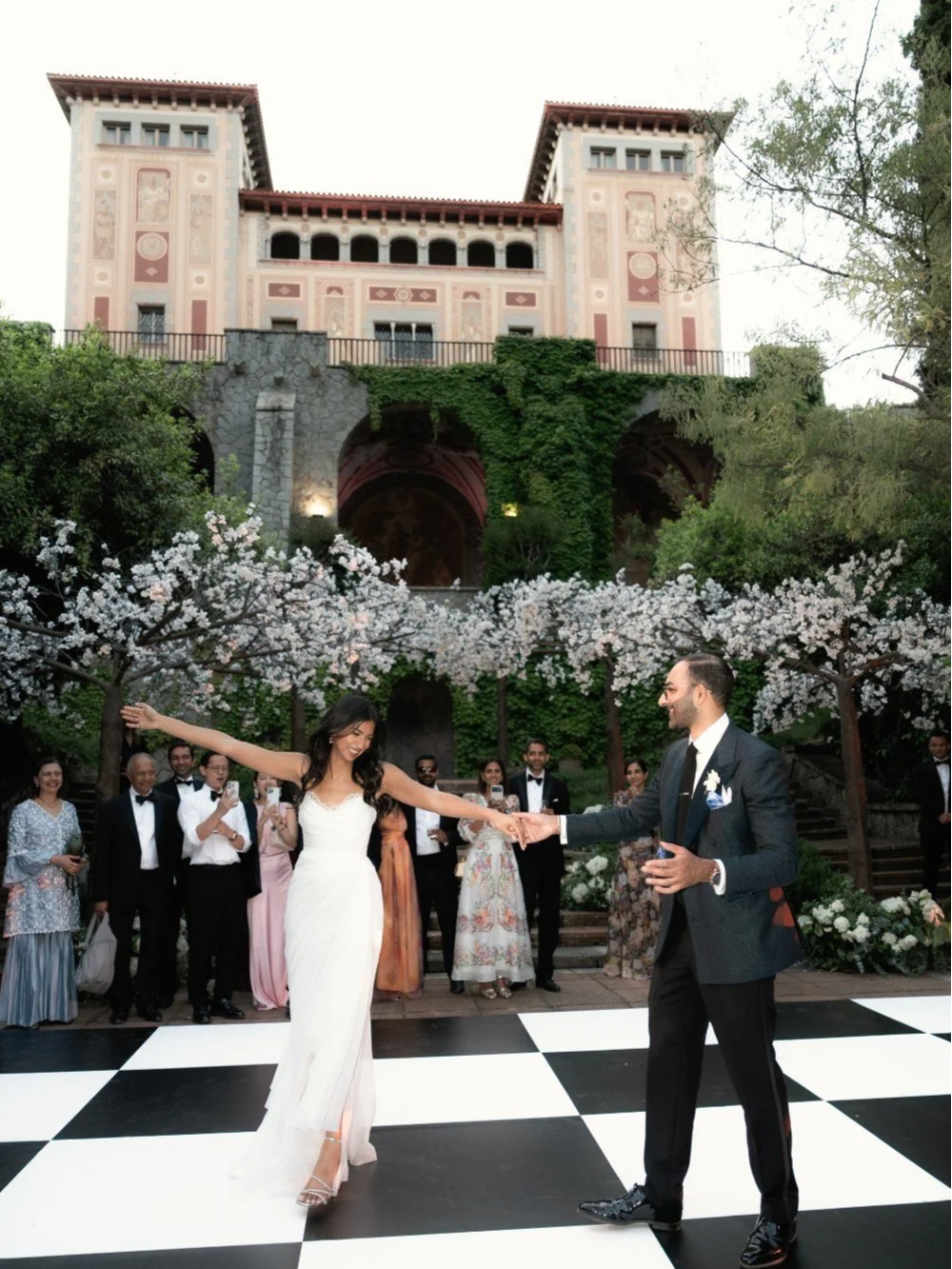
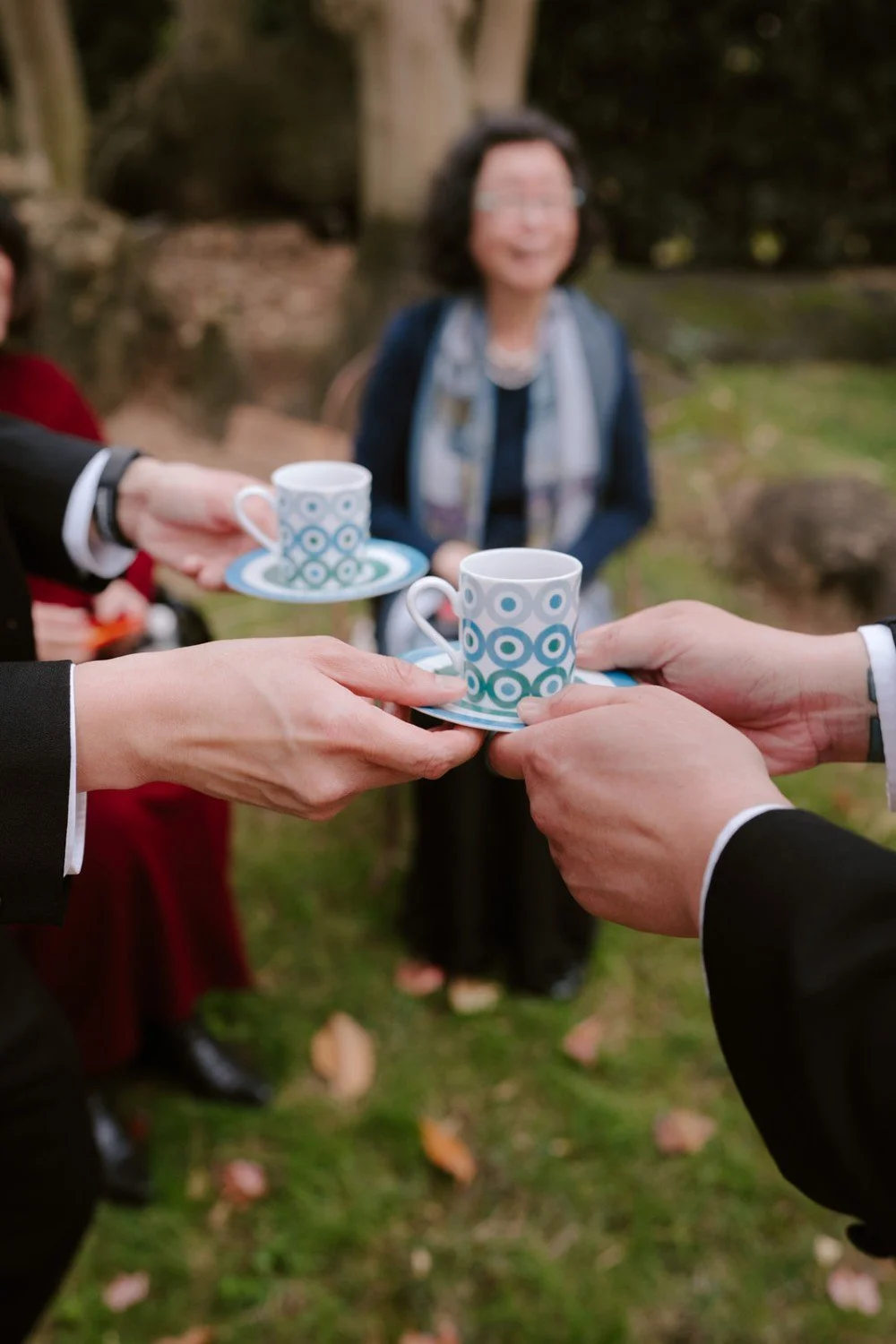
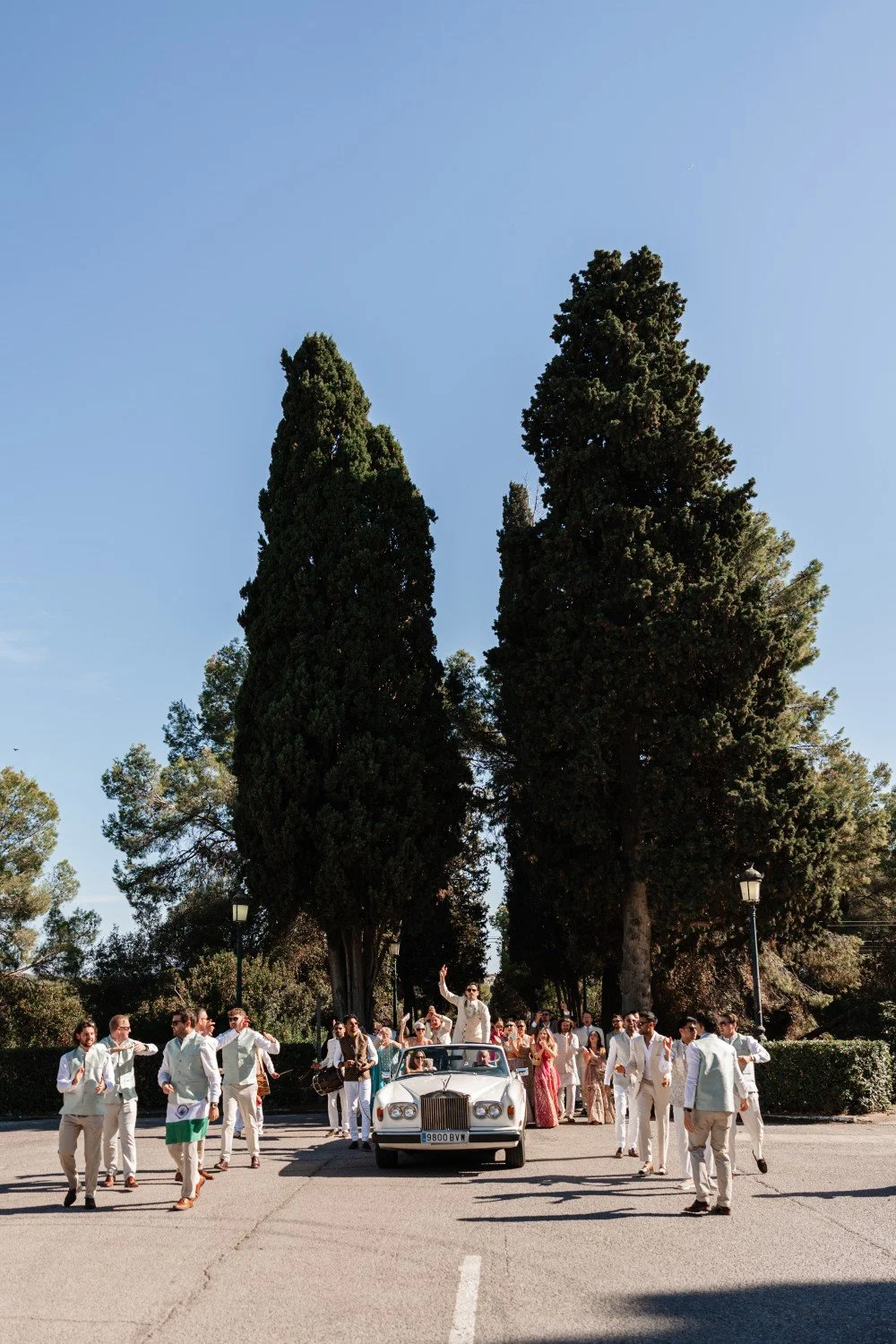
When a wedding brings together more than one tradition, the venue needs to work in a different way. A baraat needs a lot of space to parade. A Chinese tea ceremony wants its own corner. We've staged a Sofreh Aghd with mountains as the backdrop. Sometimes there are only one or two rituals followed by a party, and sometimes there's a "cultural" day and a "western" day, in which case the venue needs either several spaces or spaces that are easy to restyle between moments. On a few occasions we've used two or three venues for a complete wedding weekend.
The good news is that the Mediterranean is a generous backdrop whatever your background. Its natural colours sit beautifully next to the strong colours of Indian or Arabic weddings, for example. If this is your situation, our guide to planning a multicultural wedding in Barcelona goes into it in more depth.
Getting your guests there
A good bus provider matters more than most couples expect. Not every company knows the access road to every venue, so it helps to know which transport companies are used to picking up and dropping off at a particular place, and which of your suppliers are based where. It's dull work, and it's a large part of why a wedding day feels calm rather than chaotic.
Questions worth asking before you book
Beautiful photos only tell you so much. Before you sign anything:
Does the venue include accommodation, or will you arrange that separately?
Is there a minimum rental period, especially in peak season?
Is catering exclusive to the venue, or can you bring in your own?
What time does the celebration have to move indoors, and how loud can music be outdoors?
Does the venue require an exclusive sound or music provider?
What is the rain plan, and would you actually be happy in it?
How do guests get there and home again, and can coaches reach the venue?
Is it realistically accessible for elderly guests, young children, or anyone with reduced mobility?
None of these show up in your photographs. All of them shape your budget, your logistics, and how comfortable everyone is on the day.
There's no single best venue
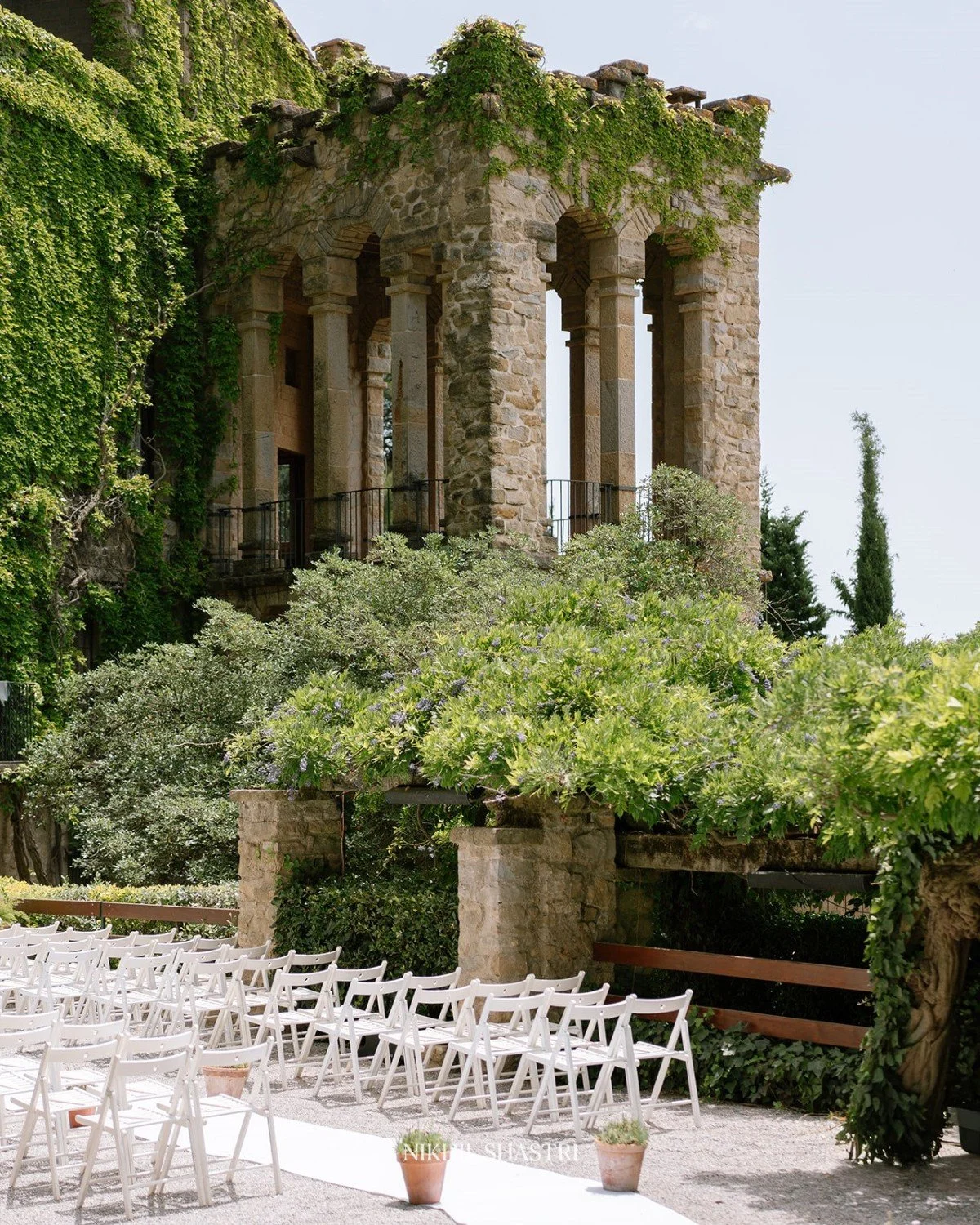
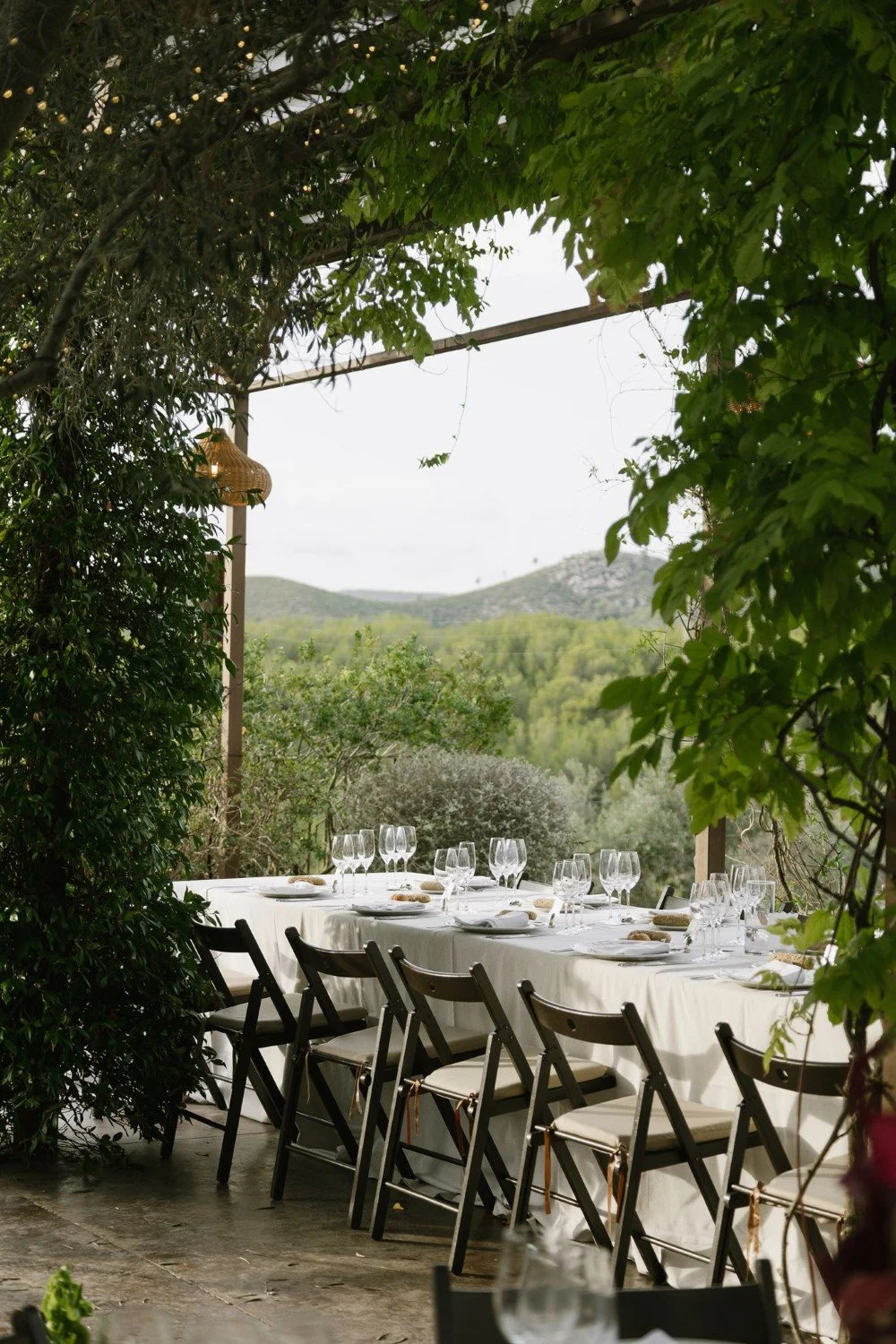
The right venue is the one that fits what you're trying to create, whether that's a long villa weekend with your closest people, a banquet on a lawn under the lemon trees, or a castle with two families under one roof. A good venue supports not just how the day looks but how it feels to everyone in it.
Frequently Asked Questions
How do you choose a wedding venue in Barcelona?
Start with the feeling you want rather than a specific building, then decide whether you want accommodation on site. From there, check the practical details that photos don't show: distance from the airport and nearest village, road access for coaches, and whether the rain plan is genuinely good.
What are the best wedding venues near Barcelona?
It depends on the celebration you want. Historic masias, private villas around Sitges, castles, vineyard estates and coastal properties all work well, and the right one comes down to your guest count, style and logistics.
What is a masia wedding venue?
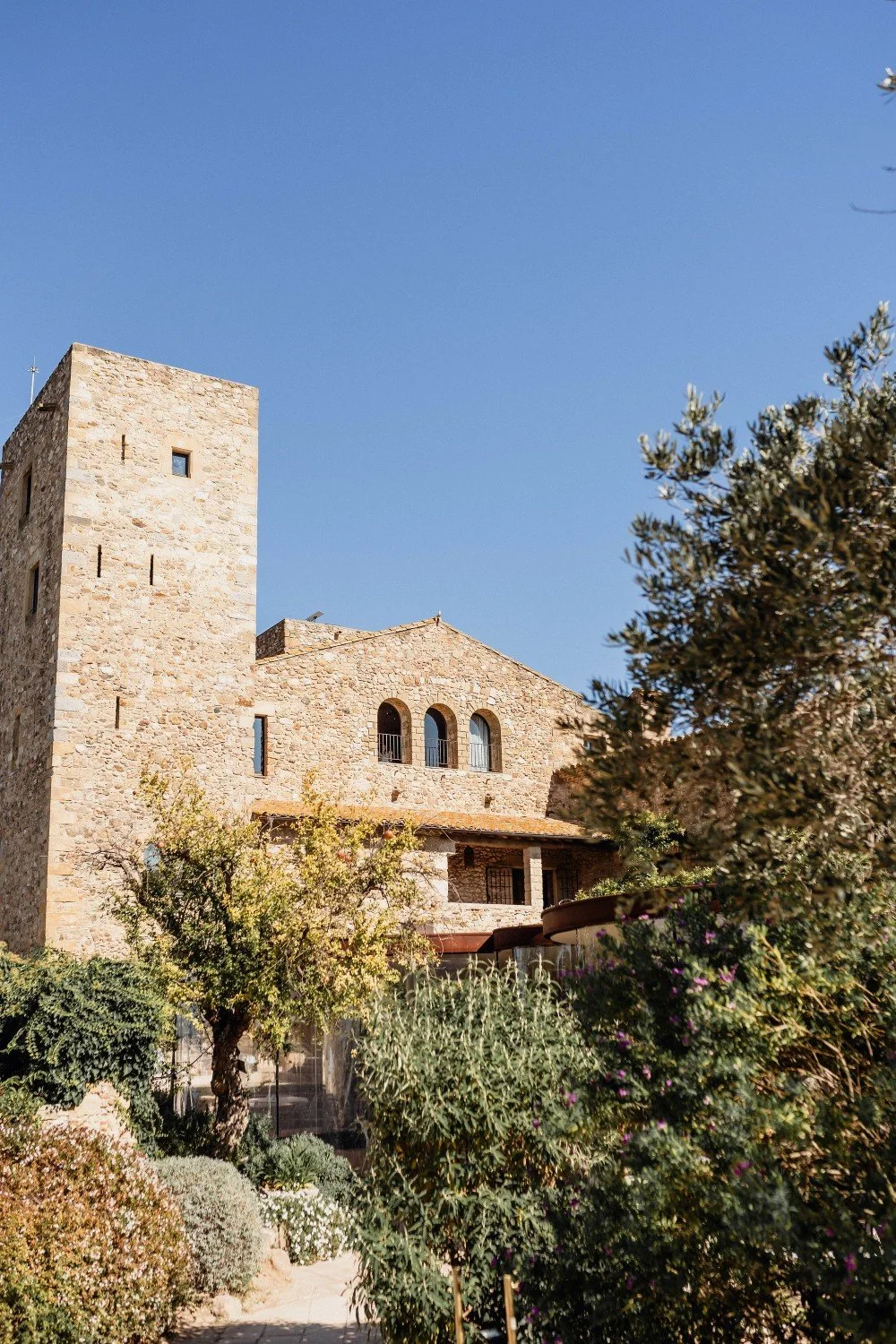
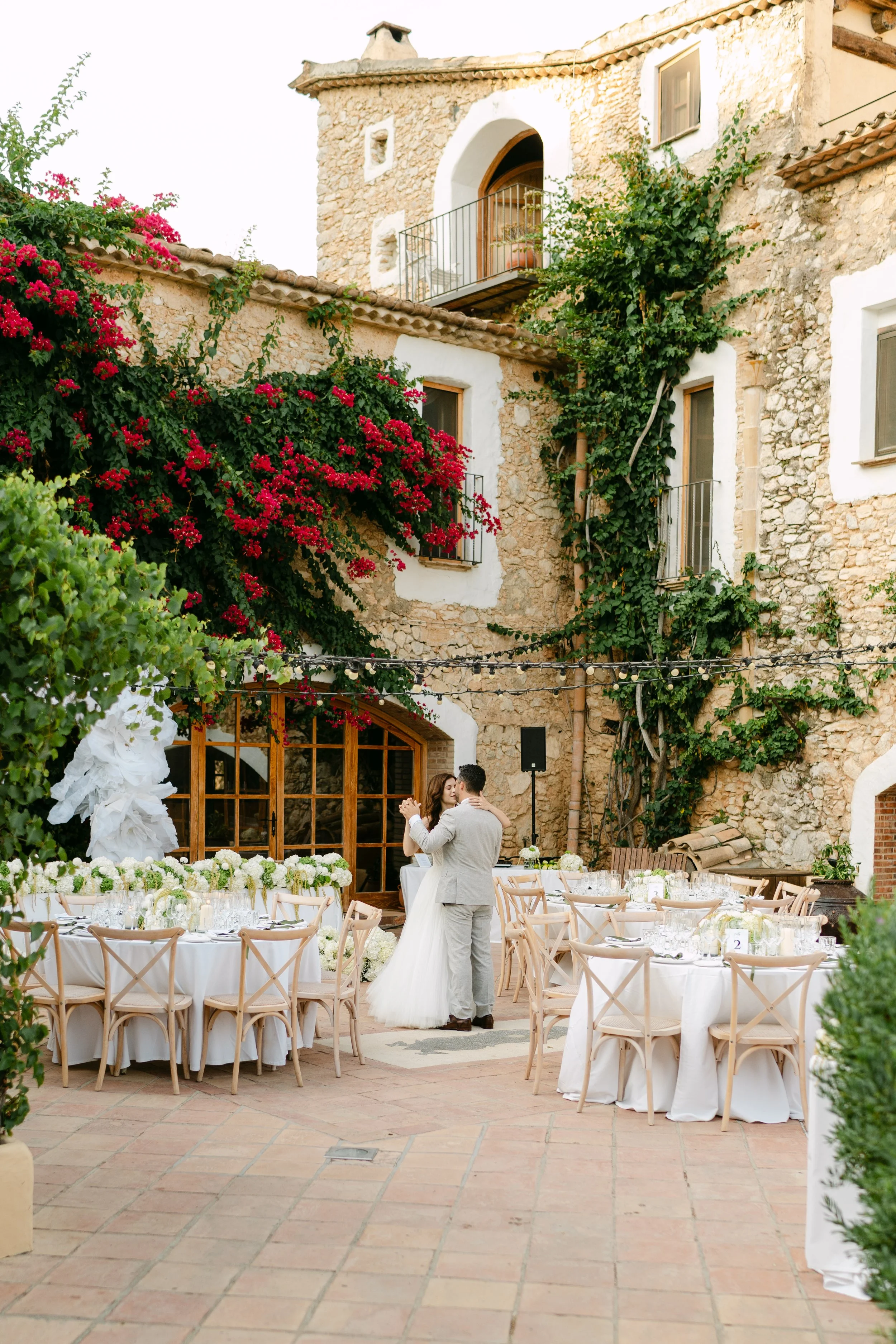
A masia is a traditional Catalan country house, typically surrounded by nature. Masias are popular for their privacy, rustic charm and outdoor spaces, and many offer on-site accommodation.
Can you get married in a castle in Spain?
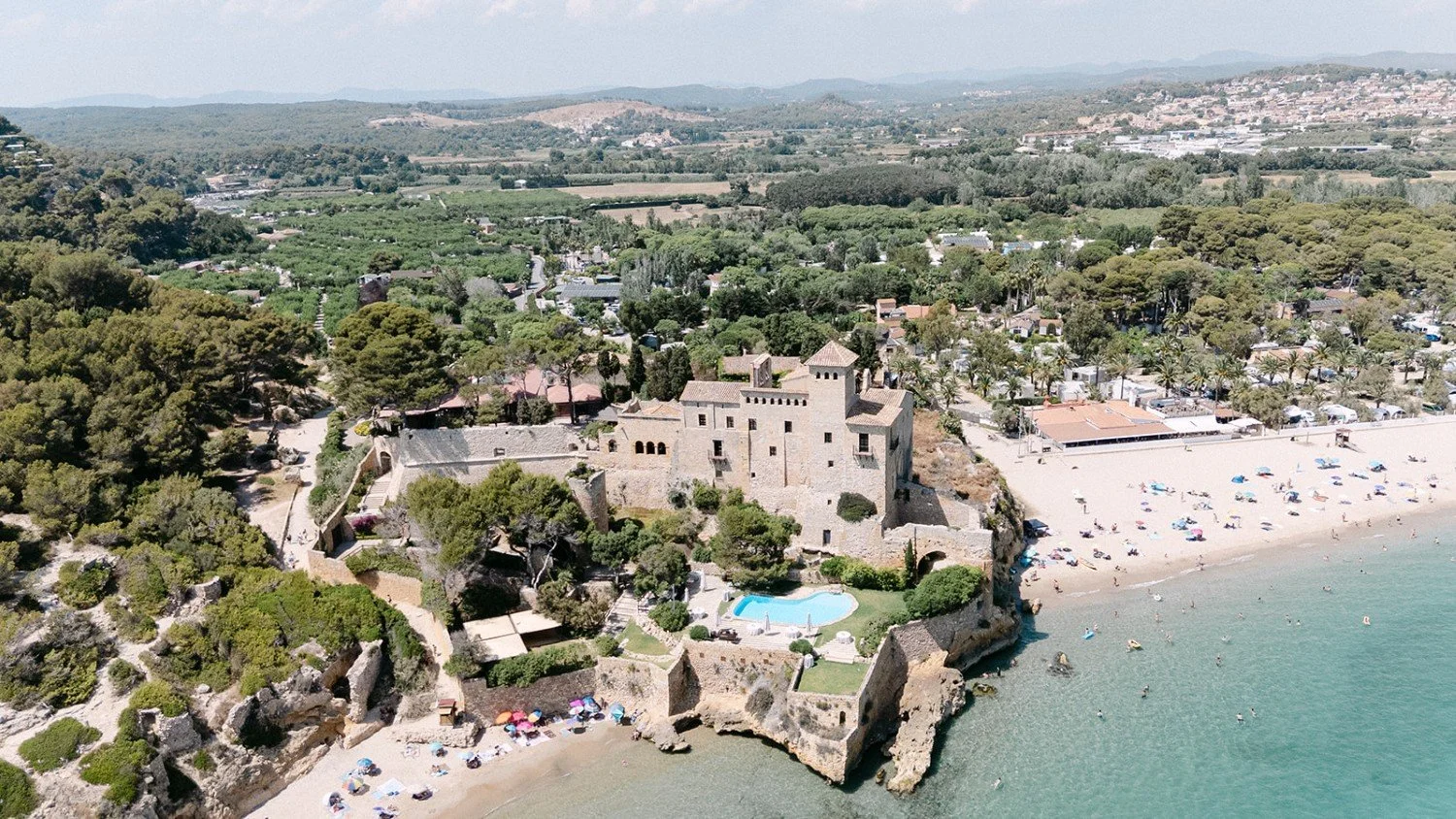
Yes. Catalonia has several castle venues, from historic inland estates to coastal fortresses overlooking the Mediterranean.
Are there noise restrictions at wedding venues in Barcelona?
Often, yes. Many venues have neighbours nearby and have introduced stricter limits on outdoor music volume and finishing times. It's worth asking early, and choosing music suppliers who are used to working within those limits.
Is Sitges a good wedding destination?
Yes. It is one of the most popular areas near Barcelona, thanks to its coastal setting, its villas and estates, and how easy it is to reach.
Do wedding venues in Barcelona include accommodation?
Some do and some don't, so it's worth confirming early. Where rooms are included, high-season bookings often require a minimum stay of several nights.
Do I need to visit the venue before booking?
We always recommend it, whether in person or by video call. Distance, access and surroundings are very hard to judge from photos alone.