How to Create an Authentic Destination Wedding Experience in Barcelona
Here's something we say to nearly every couple who walks through our door: the goal was never to give you the wedding that photographs well. It's to give you the wedding that actually feels like the two of you — and those aren't always the same thing.
Destination weddings, done badly, can slip into something oddly generic. Same white florals, same rustic-chic tablescape, same golden-hour photo formula, regardless of whether you're in Tuscany, Provence, or Catalonia. Beautiful, sure. But interchangeable. And after planning weddings for couples from more than 60 countries, we've come to believe that the difference between a beautiful wedding and an authentic one usually comes down to a handful of deliberate choices — not budget, not scale, but attention.
Authentic Doesn't Mean "Traditional"
Let's clear something up first, because it trips a lot of couples up early on: authenticity isn't about ticking cultural boxes or following convention. It's the opposite. It's about building a day that reflects who you actually are — even, and especially, if that means leaving certain traditions behind entirely.
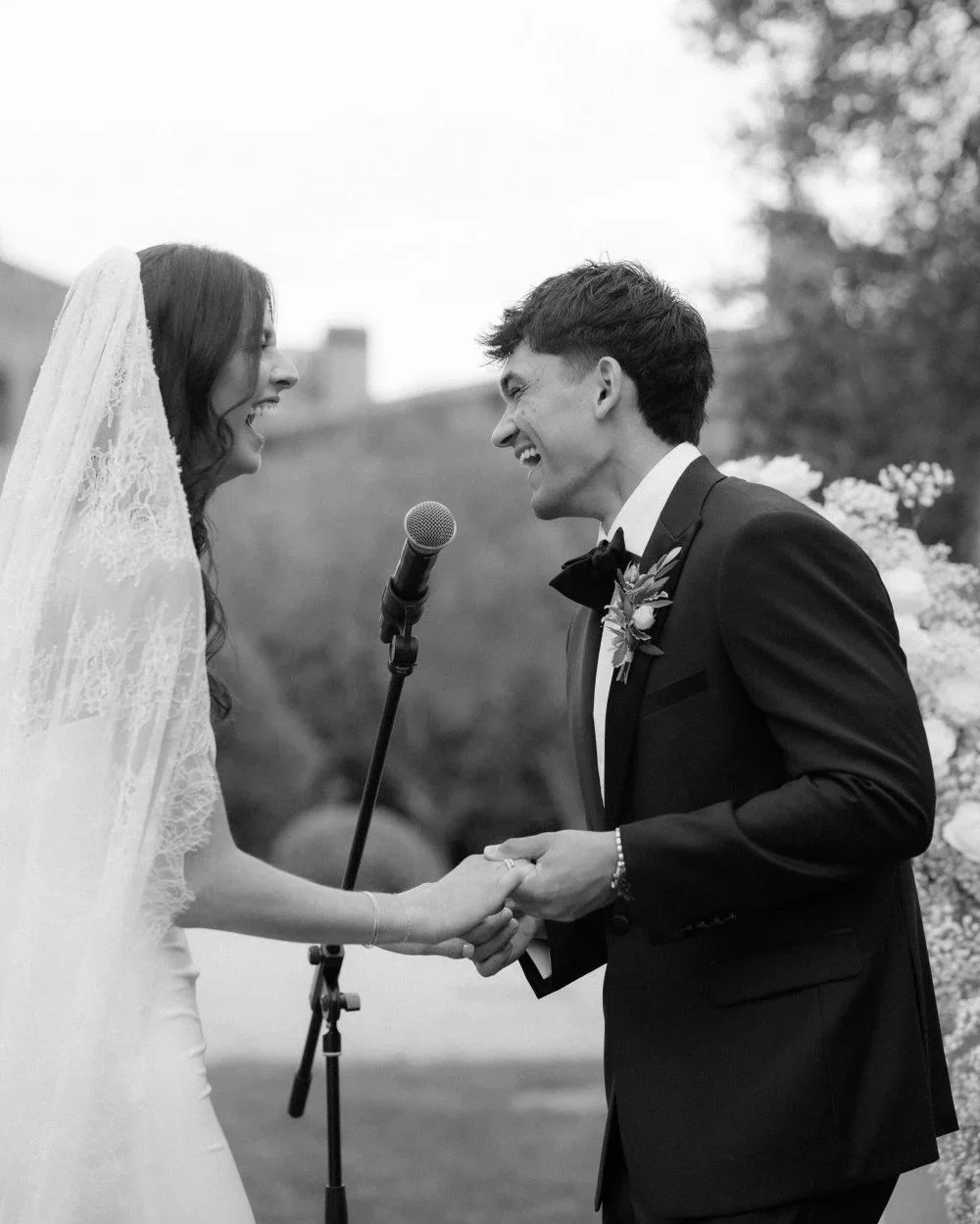
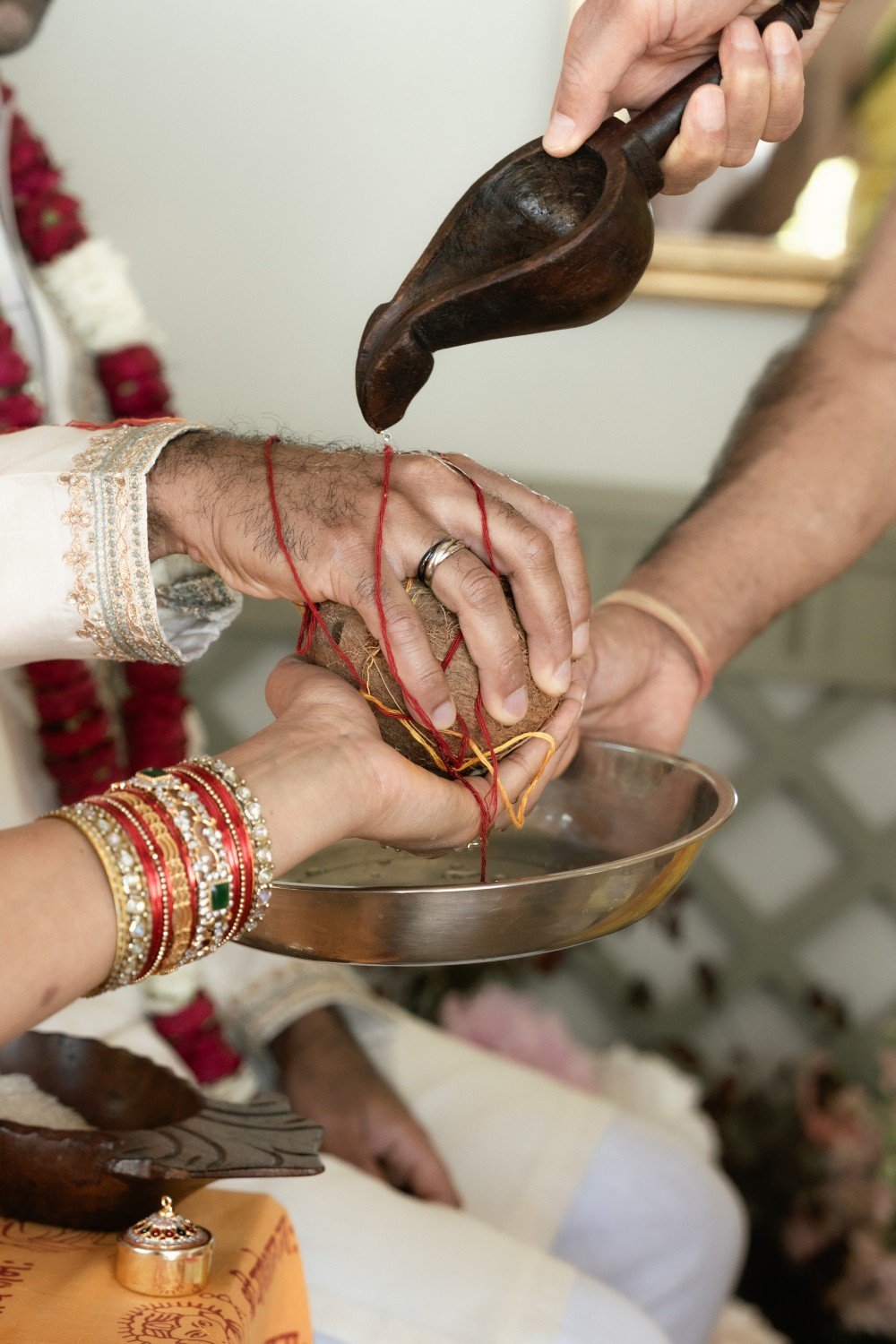
We've planned weddings that folded together a Nordic blessing and a Hindu fire ceremony in the same afternoon. We've planned others that were deliberately, defiantly non-religious — a handful of close friends, no script at all, vows written the night before. Neither is more "authentic" than the other. What makes either one work is that it came from the couple, not from a Pinterest board or a planner's template.
Start With Your Actual Story, Not a Mood Board
Mood boards are useful for colour and texture. They're a terrible place to start planning, because they tend to lead with aesthetics before anyone's asked the more interesting question: what's the story of the two of you, and how do we tell it over the course of a day?
Sometimes that story is genuinely simple — you met in Barcelona on a work trip and never quite left it behind. Sometimes it's more layered — two families from opposite sides of the world, meeting properly for the first time, negotiating language and custom and who walks whom down which aisle. Either way, the details that end up mattering most in ten years' time are rarely the ones from the mood board. They're the ones that were actually true.
Let the Destination Do Some of the Talking
One of the fastest ways to make a wedding feel generic is to treat the location as scenery rather than substance. A masia isn't just a pretty backdrop — it comes with real Catalan character, and the couples whose weddings feel most alive here are usually the ones who let that character in, rather than importing an aesthetic that could belong anywhere.
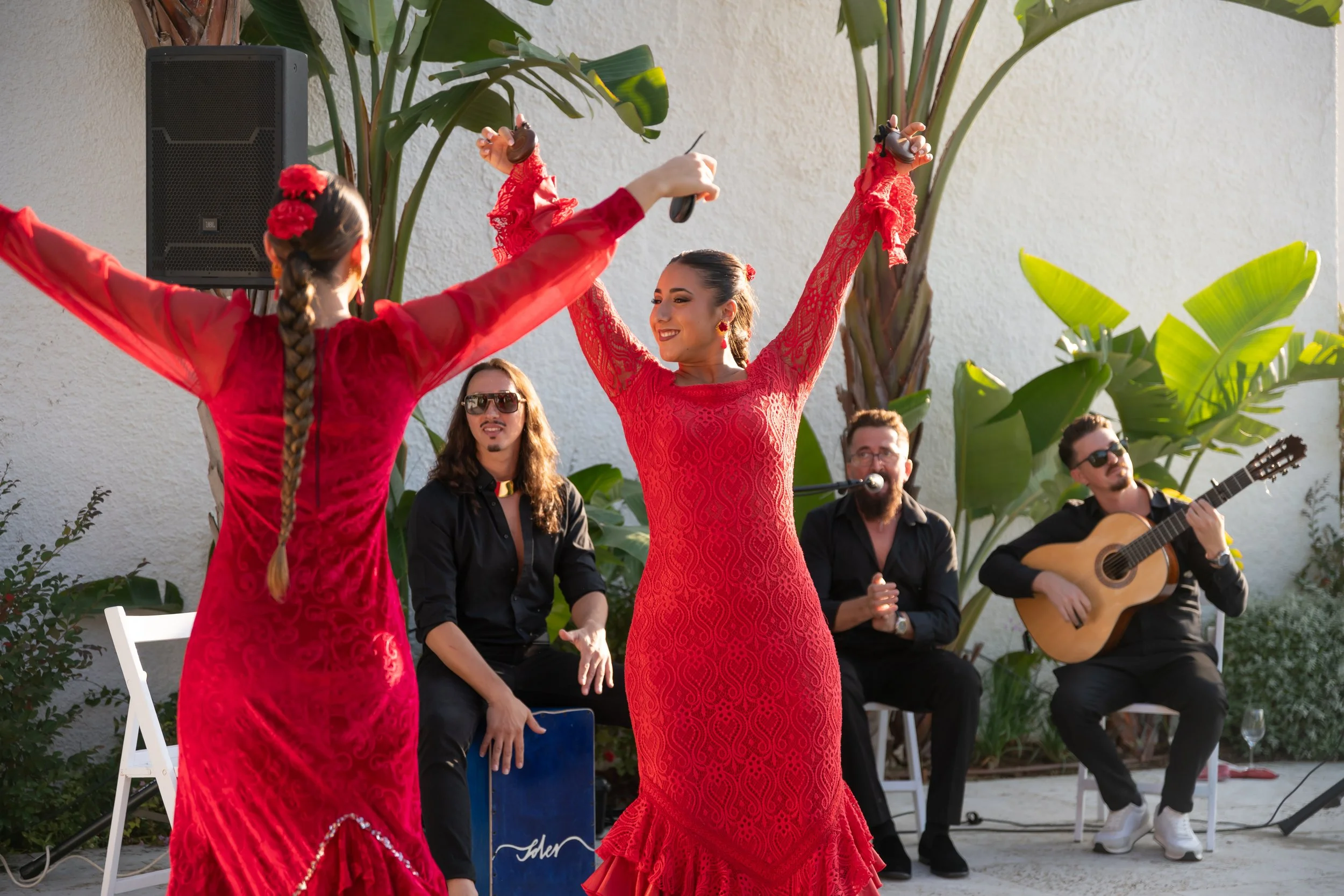
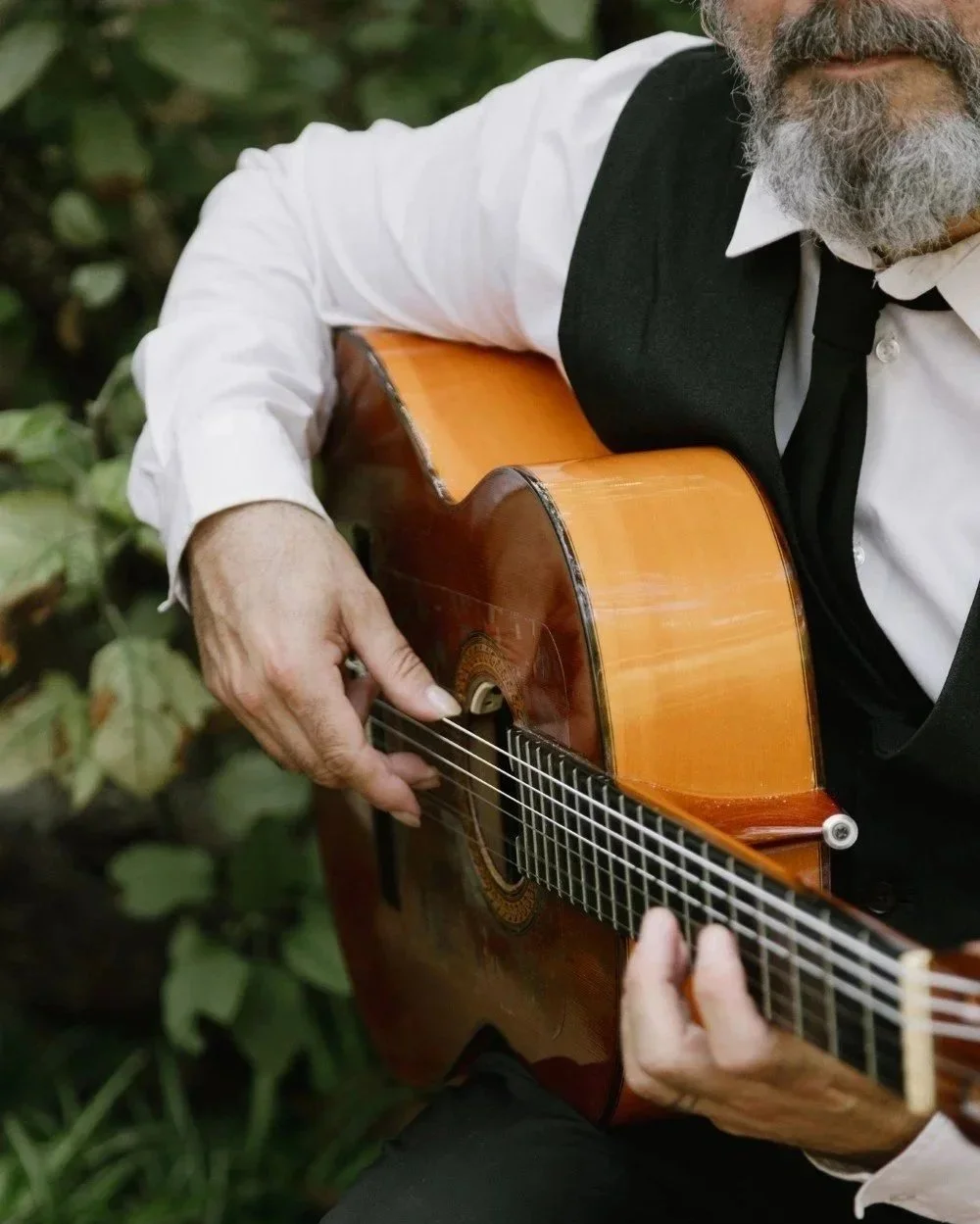
That might mean a menu built entirely around what's actually in season in Catalonia that month, rather than a "safe" international banquet. It might mean local wine and cava instead of imported labels nobody's ever heard of. It might mean working with musicians who play something rooted in the region rather than a generic top-40 wedding band. Small choices, individually. Collectively, they're the difference between a wedding that happened in Barcelona and one that happened because of it.
Make Room for Where You Both Come From
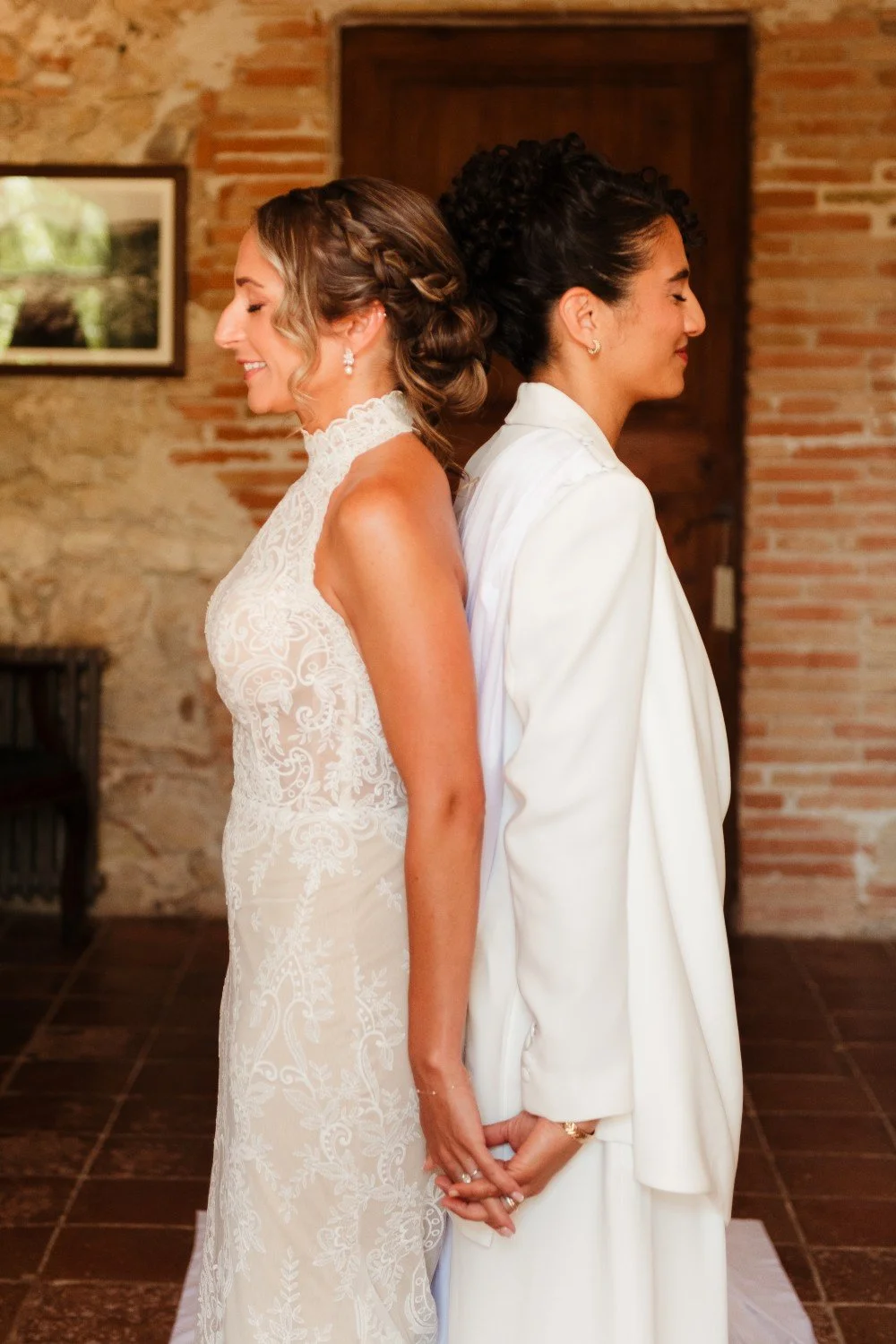
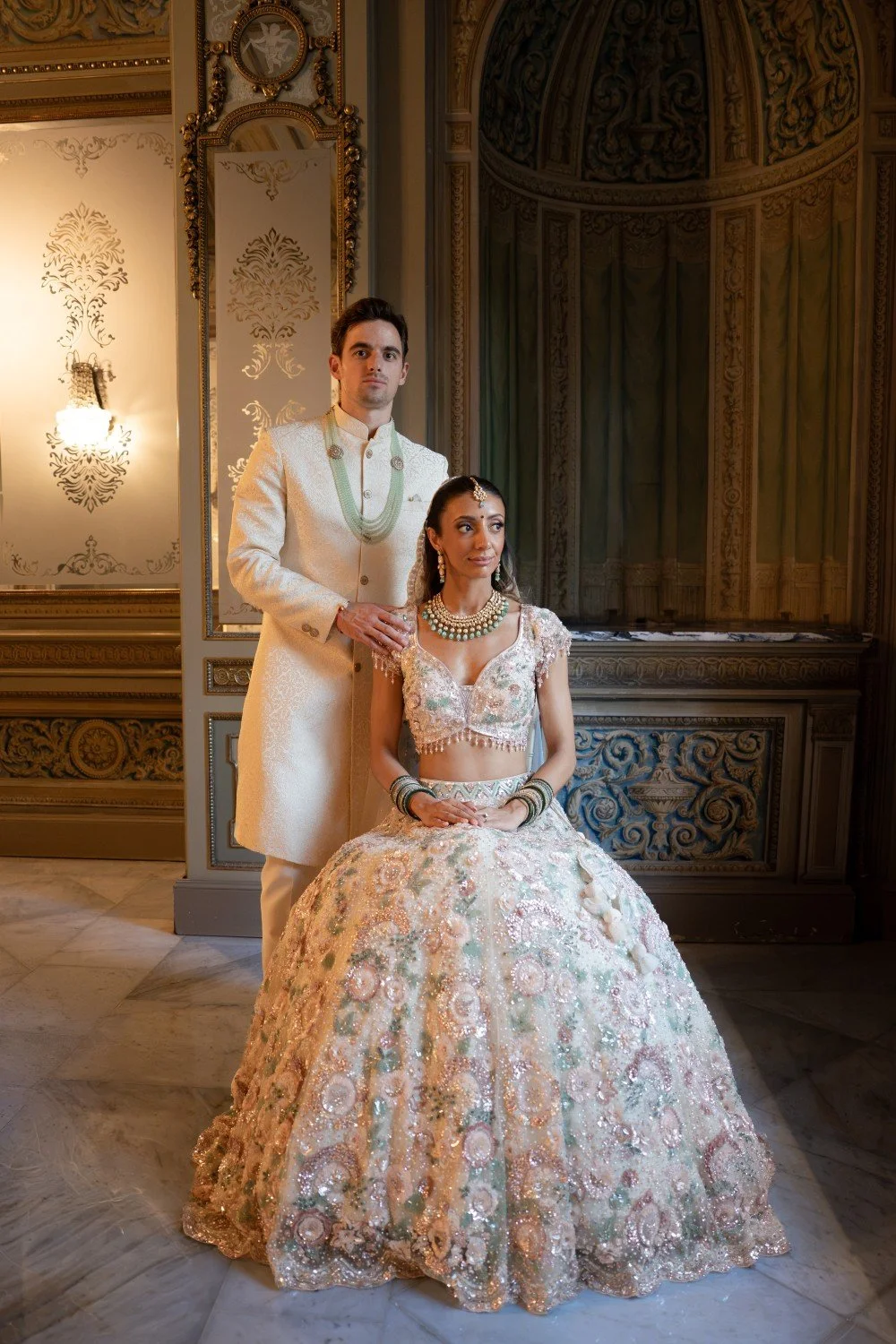
For the couples we work with, authenticity very often means bringing two — sometimes three — cultures into the same room, rather than defaulting to whichever tradition is more "wedding-industry standard." Over a third of the couples we've worked with come from different cultural or religious backgrounds, and almost none of them wanted to flatten that into something neutral.
This can look like a bilingual ceremony that genuinely serves both families rather than translating awkwardly on the fly. It can mean two separate rituals held back to back, each one honoured properly rather than compressed into a token five minutes. It can mean a reception menu that nods to both sides of the family's food traditions on the same table. Done well, this isn't about "blending" cultures into something diluted — it's about letting each one stay fully itself, side by side.
Design for the Guests Who Are Actually Coming
A generic destination wedding treats guests as an audience. An authentic one treats them as part of the story. That distinction shows up in small, practical ways: a welcome dinner that actually gives two families time to talk before the formality of the wedding day itself, a printed programme in more than one language so nobody's guessing what's happening next, seating that puts people who'll genuinely enjoy each other's company together rather than strictly by side of the family.
None of this needs to be expensive. It needs to be intentional — someone actually thinking through who's arriving, what they'll need, and how to make the day feel like theirs too, not just yours.
Choose Suppliers Who Know You, Not Just Your Pinterest Board
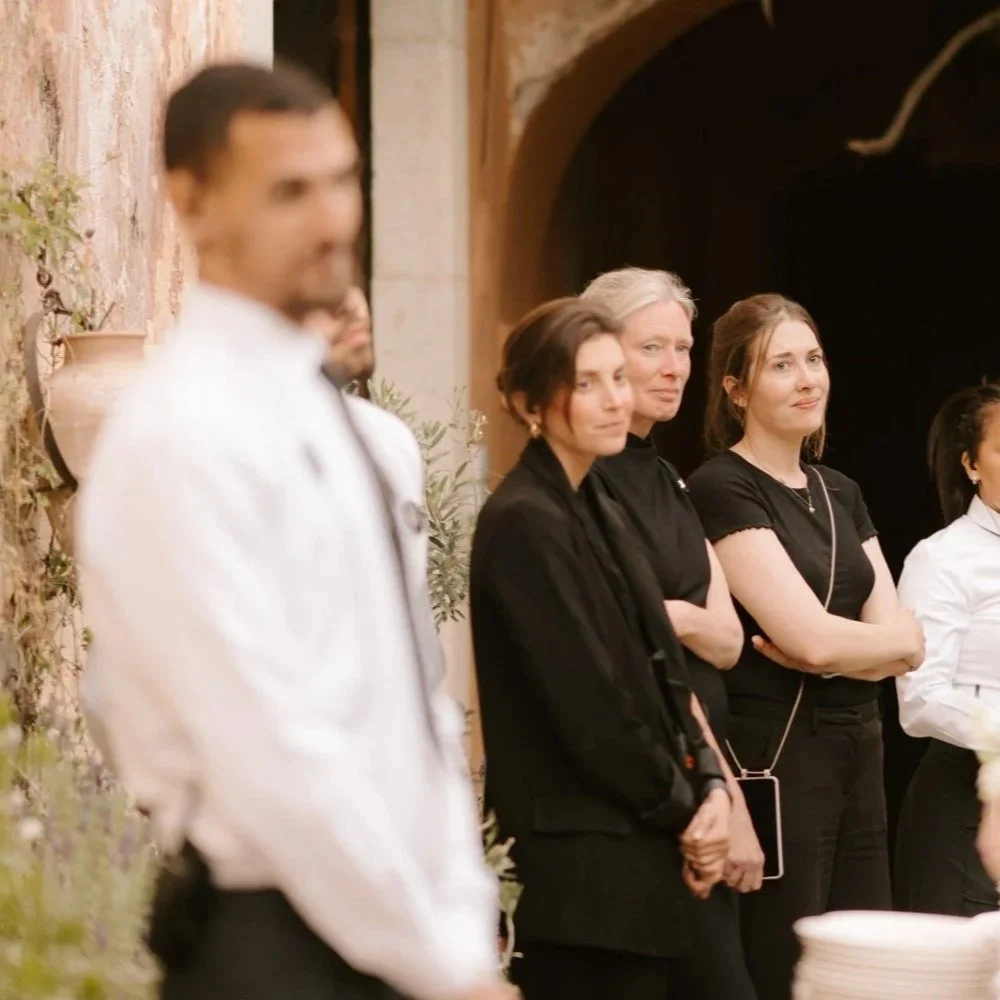
This might be the least glamorous point on this list and, in our experience, the one that matters most. The florist, photographer, and caterer you choose shouldn't just be technically excellent — they should actually understand what you're trying to create, and be willing to push back gently when a trend doesn't suit you.
This is a large part of why we work with a tight, trusted network of local suppliers rather than a rotating list of whoever's available. When a caterer already knows how you like to entertain, or a photographer has shot enough multicultural ceremonies to understand the pacing of two rituals in one afternoon, the day runs with a kind of ease that's very hard to manufacture otherwise.
Sustainability Is Part of Authenticity Too
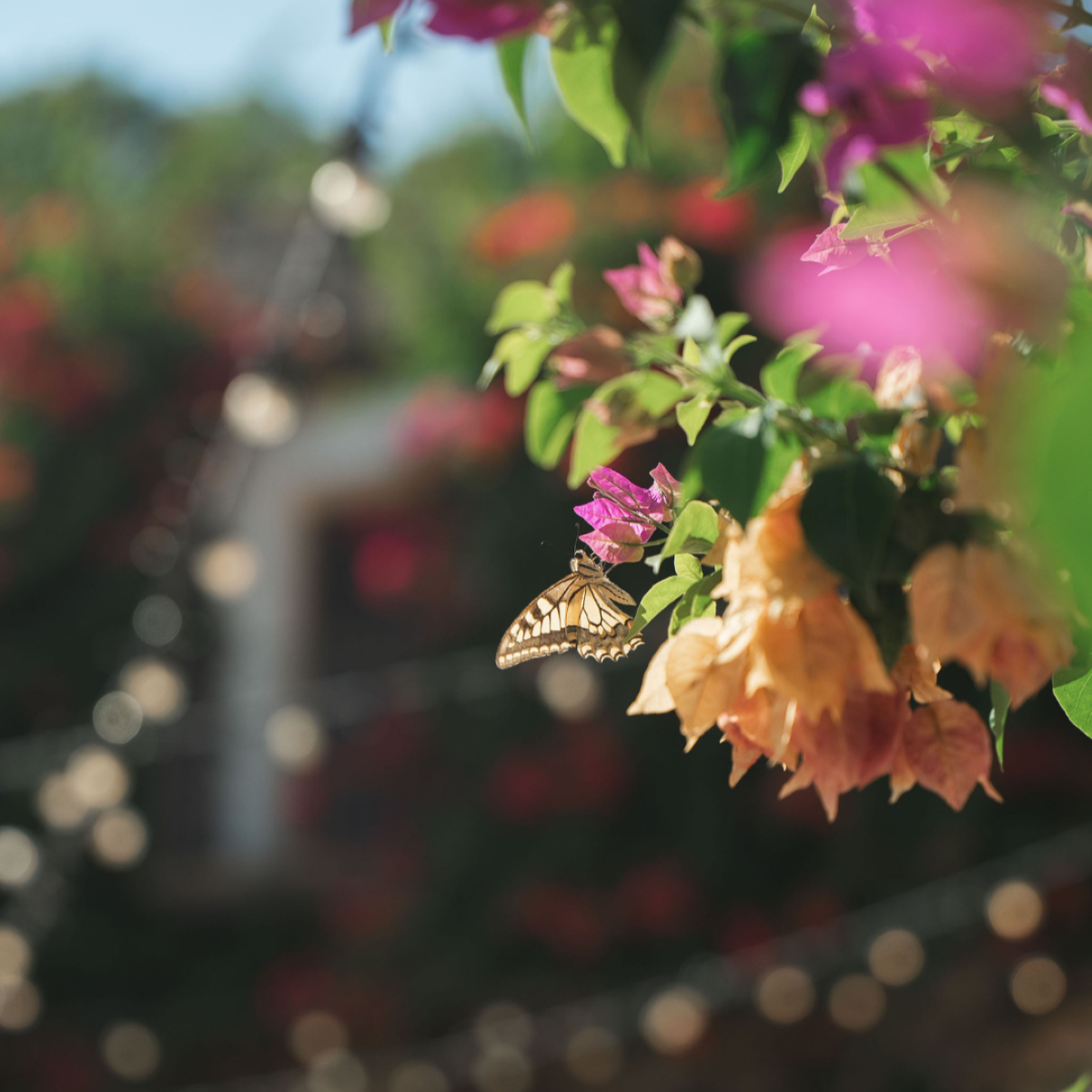
We'd be leaving something out if we didn't mention this: an increasing number of our couples care, genuinely, about the footprint of their celebration — not as a trend, but as an extension of their values. Seasonal, local menus. Fewer imported flowers flown in from elsewhere. Suppliers based close to the venue rather than driving hours to reach it. These choices tend to also make a wedding feel more rooted in its destination, which is a rare case of doing right by the planet and doing right by the atmosphere at the same time.
Authentic Weddings Are Built, Not Assembled
If there's one thing we'd want you to take from all of this, it's that authenticity isn't a style you can buy off a shelf — it's the result of a lot of small, deliberate decisions made in the right order, starting with who you actually are rather than what looks good online.
That's the part of this work we love most, honestly. Not the styling, though we care about that too. The process of getting to know two people well enough to build a day that could only ever have been theirs.
Frequently Asked Questions
What makes a destination wedding feel authentic rather than generic?
Authenticity usually comes down to specific, intentional choices — a menu that reflects the actual destination, traditions from both families given real space rather than token inclusion, and suppliers who understand the couple rather than a generic aesthetic.
Do we have to follow traditional wedding customs for our wedding to feel meaningful?
Not at all. Some of the most meaningful weddings we've planned deliberately left convention behind entirely — what matters is that the choices reflect the couple, not a template.
How do you incorporate multiple cultures into one wedding?
Often through separate rituals given equal weight, bilingual or trilingual ceremony elements, and a menu or reception format that lets each tradition stay fully itself rather than being diluted into something neutral.
Does an authentic wedding cost more than a standard one?
Not necessarily. Authenticity is more about intention than budget — thoughtful sourcing and genuine personalisation can matter more than the overall spend.