
Your Complete Barcelona Wedding Guide:
Everything You Need to Know Before Getting Married in Spain
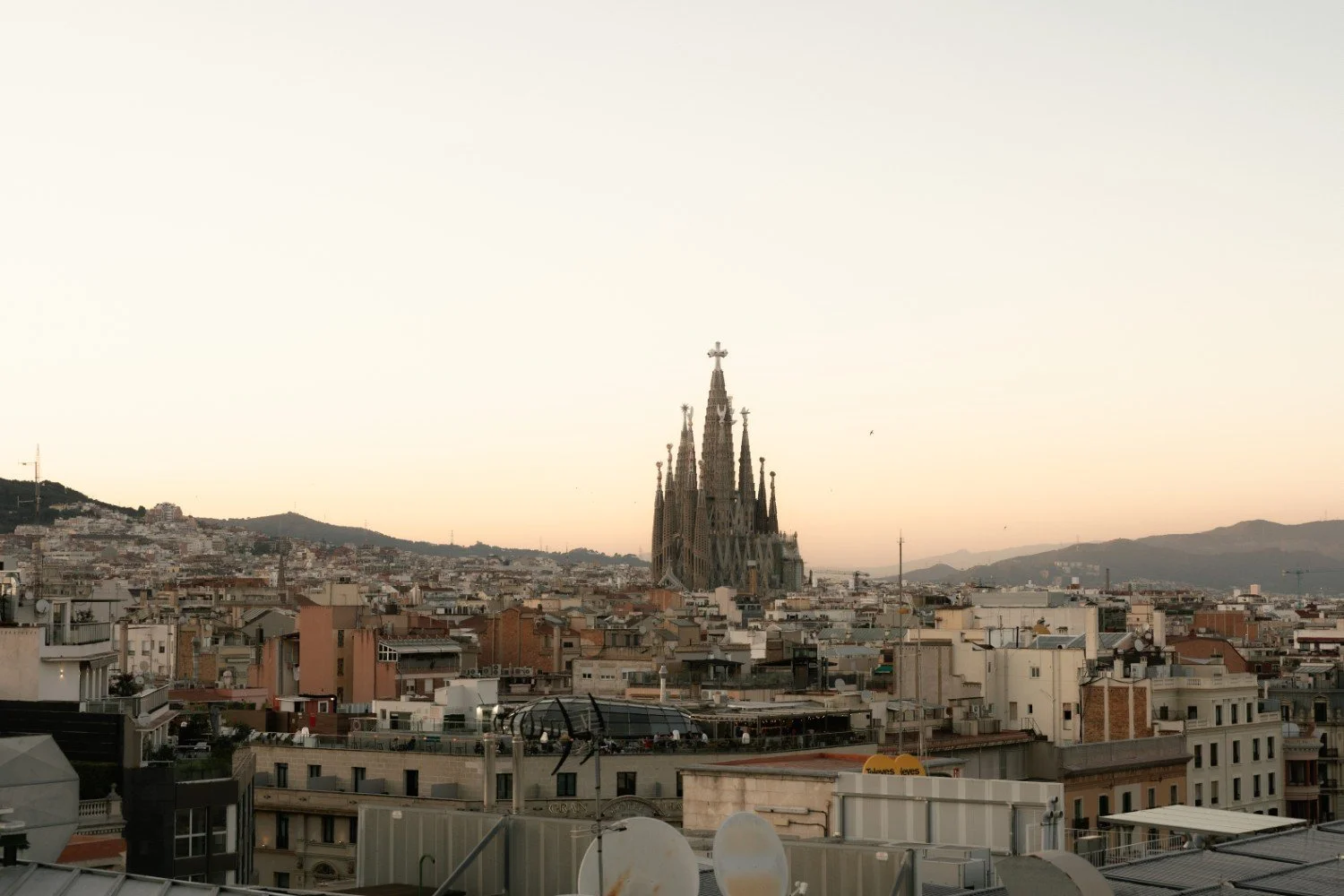
If you've found your way here, chances are Barcelona already means something to you. Maybe you got engaged on a rooftop overlooking the Sagrada Família. Maybe one of you is from here and the other fell for the city on your first visit together. Or maybe you've simply never been, but something about sunshine, seafood, and Mediterranean evenings that stretch past midnight sounds like exactly the kind of wedding you want.
Whatever brought you here, you're not alone — and you're in good company. We've planned weddings for couples from more than 60 countries, many of them navigating two cultures, two families, and sometimes two languages within the same ceremony. So we know the questions that come with planning a wedding somewhere that isn't quite home yet. Is it legal? What does it actually cost? When should we come? And how do you make it feel like your wedding, not a postcard version of one?
This guide is our honest answer to all of it, built from years of doing this on the ground in Barcelona and Catalonia.
Why Couples Keep Choosing Barcelona
Barcelona isn't beautiful in only one way, which is precisely why it works for so many different couples. Within about an hour's drive, you can go from a Mediterranean shoreline to rolling vineyards to a nineteenth-century masia hidden in the hills — and the guest list can go from twenty people to a hundred and fifty without the city ever feeling like it's straining to accommodate you.
A few of the settings we return to again and again:
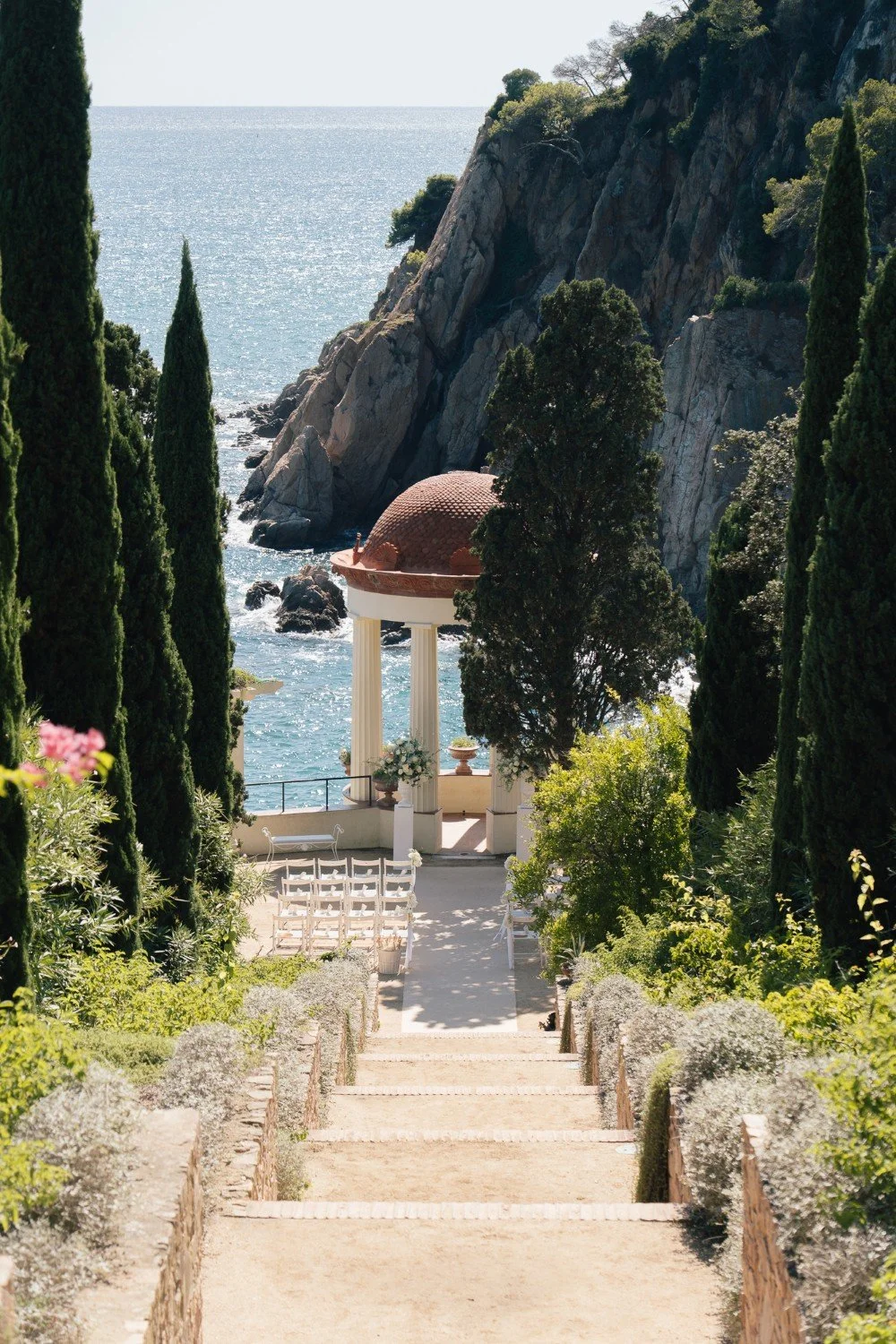
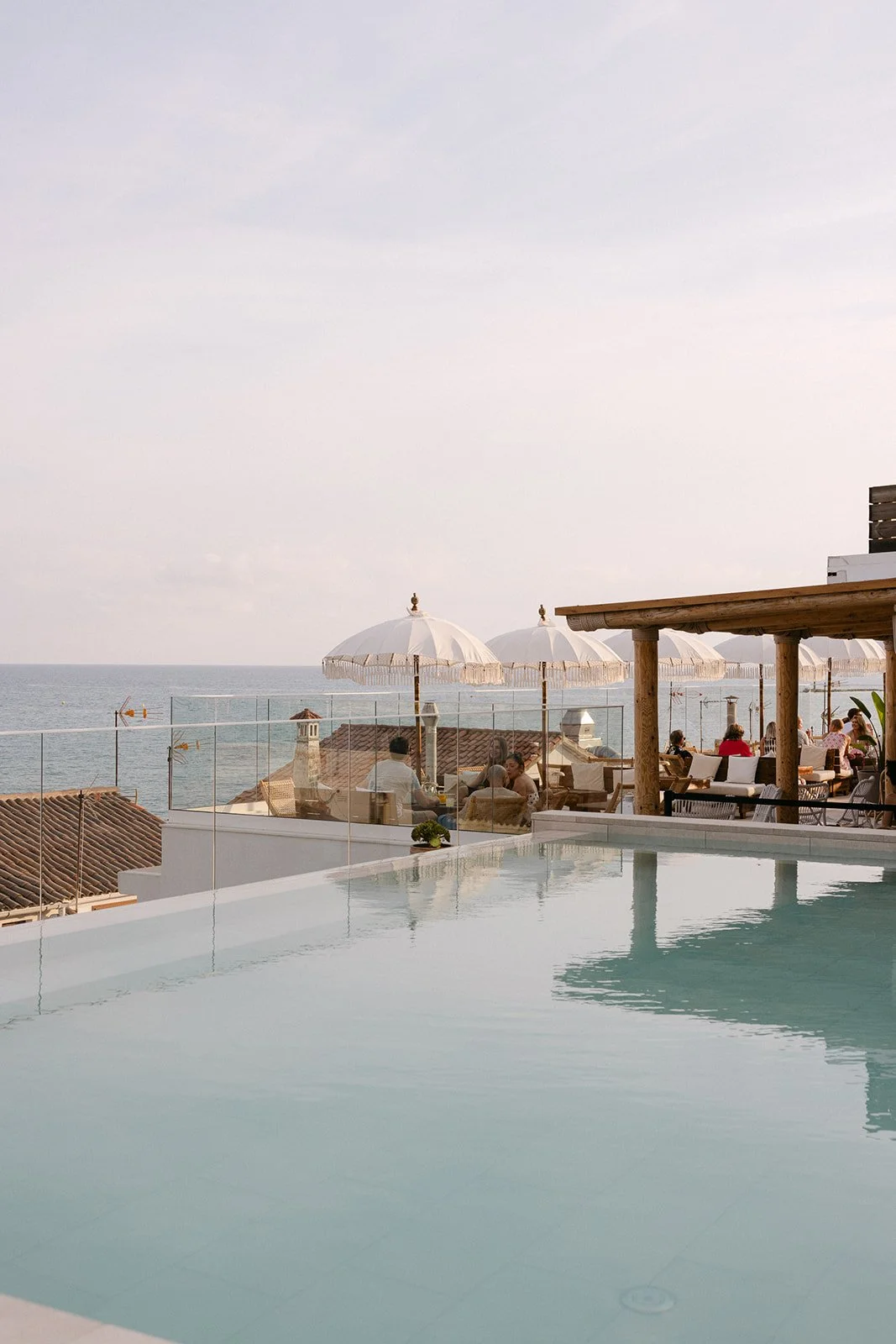
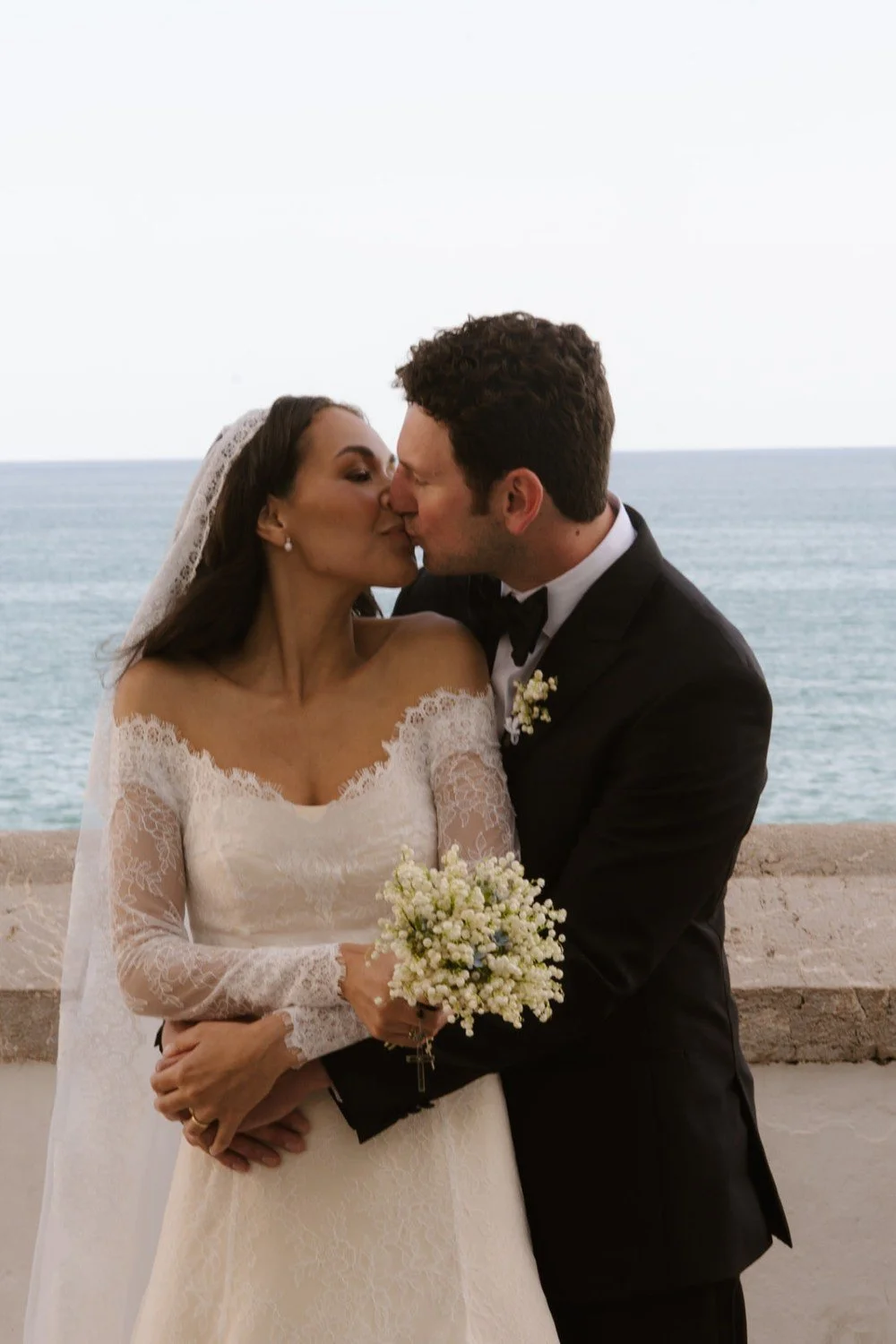
A beachfront ceremony with the sea doing most of the decorating for you
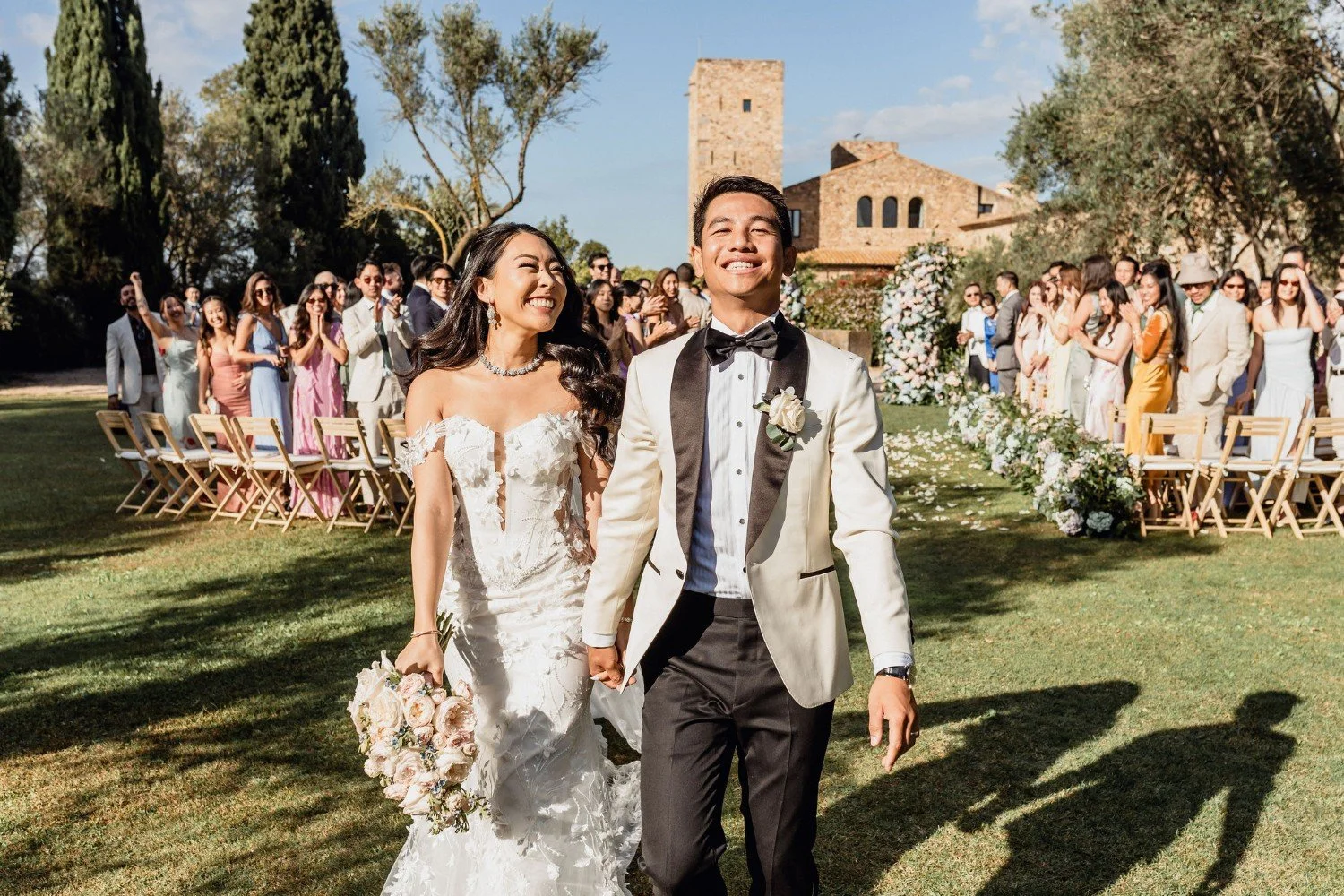
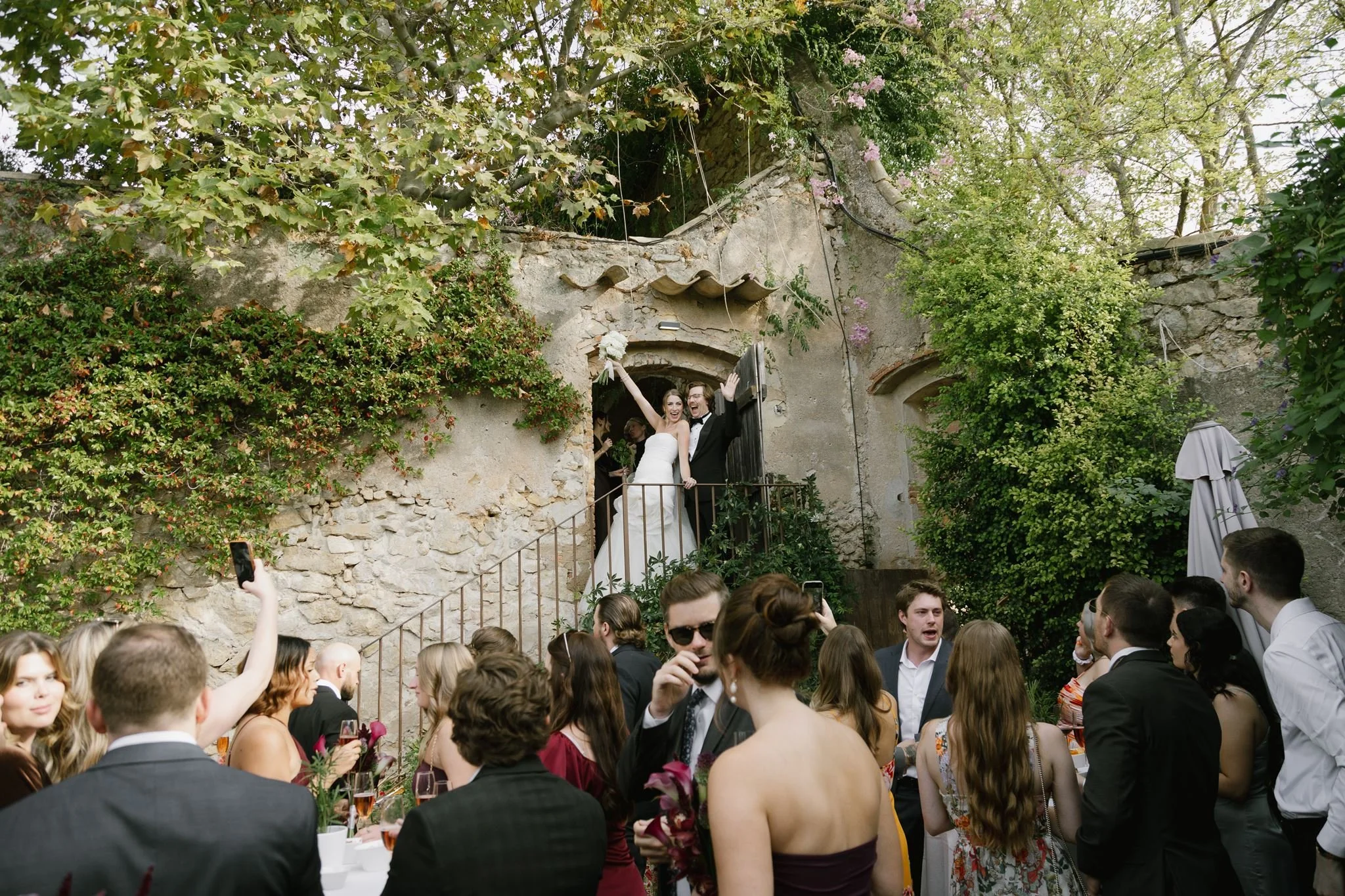
A stone masia in the Catalan countryside, all exposed beams and olive trees
A vineyard, with dinner served as the sun drops behind the vines
A private villa taken over for the whole weekend
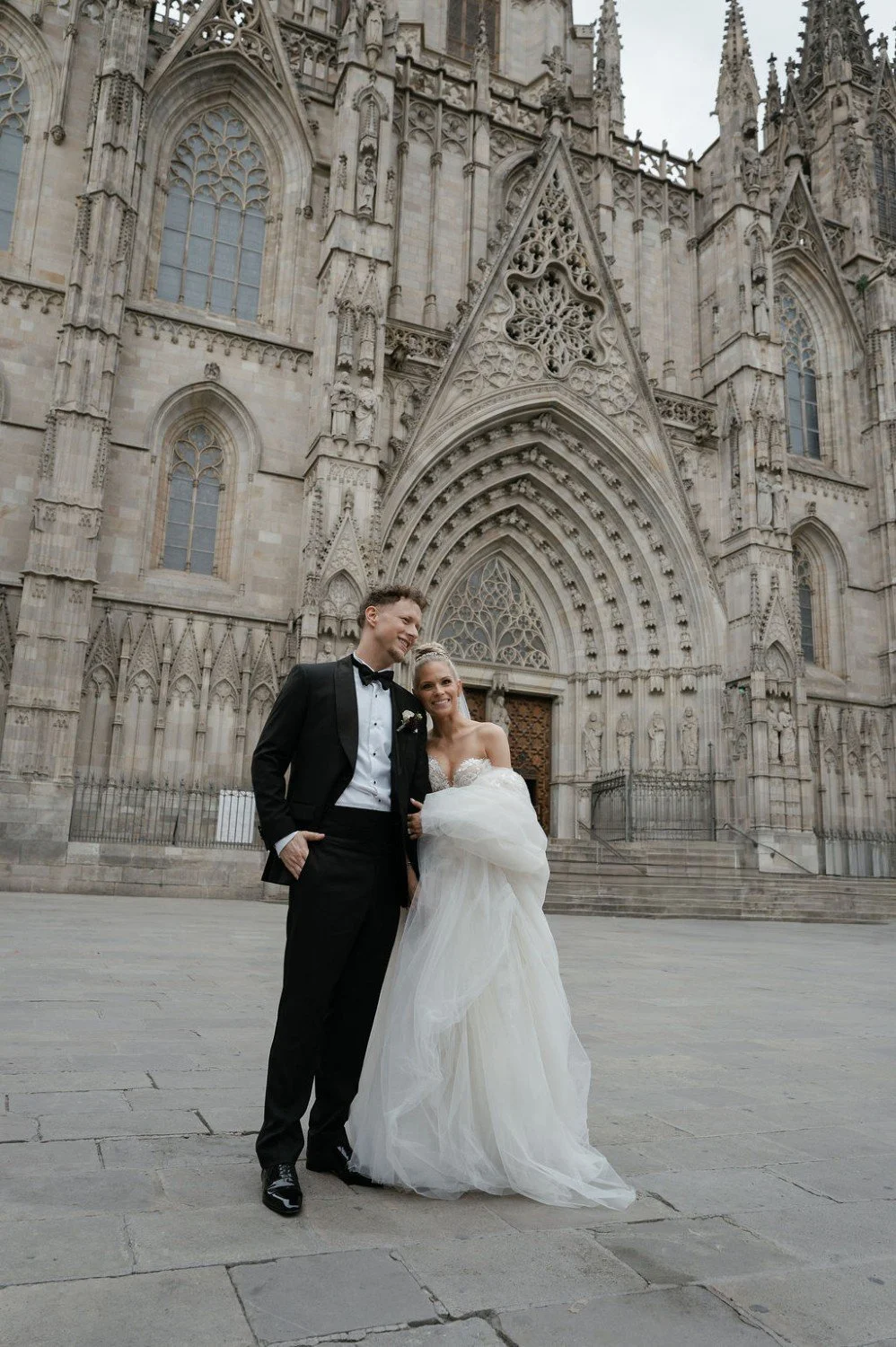
A grand city hotel, if you want Barcelona's energy right outside the window
What's harder to put in a bullet point is the atmosphere itself. There's a looseness to how people gather here — long lunches, late dinners, a general belief that celebrations shouldn't be rushed — that tends to relax even the most anxious couples within about a day of arriving.
Is Barcelona Easy for International Guests?
Genuinely, yes — and this matters more than people expect. Barcelona's airport connects easily to most of Europe, North America, and beyond, so your guests aren't fighting three connecting flights to get here.
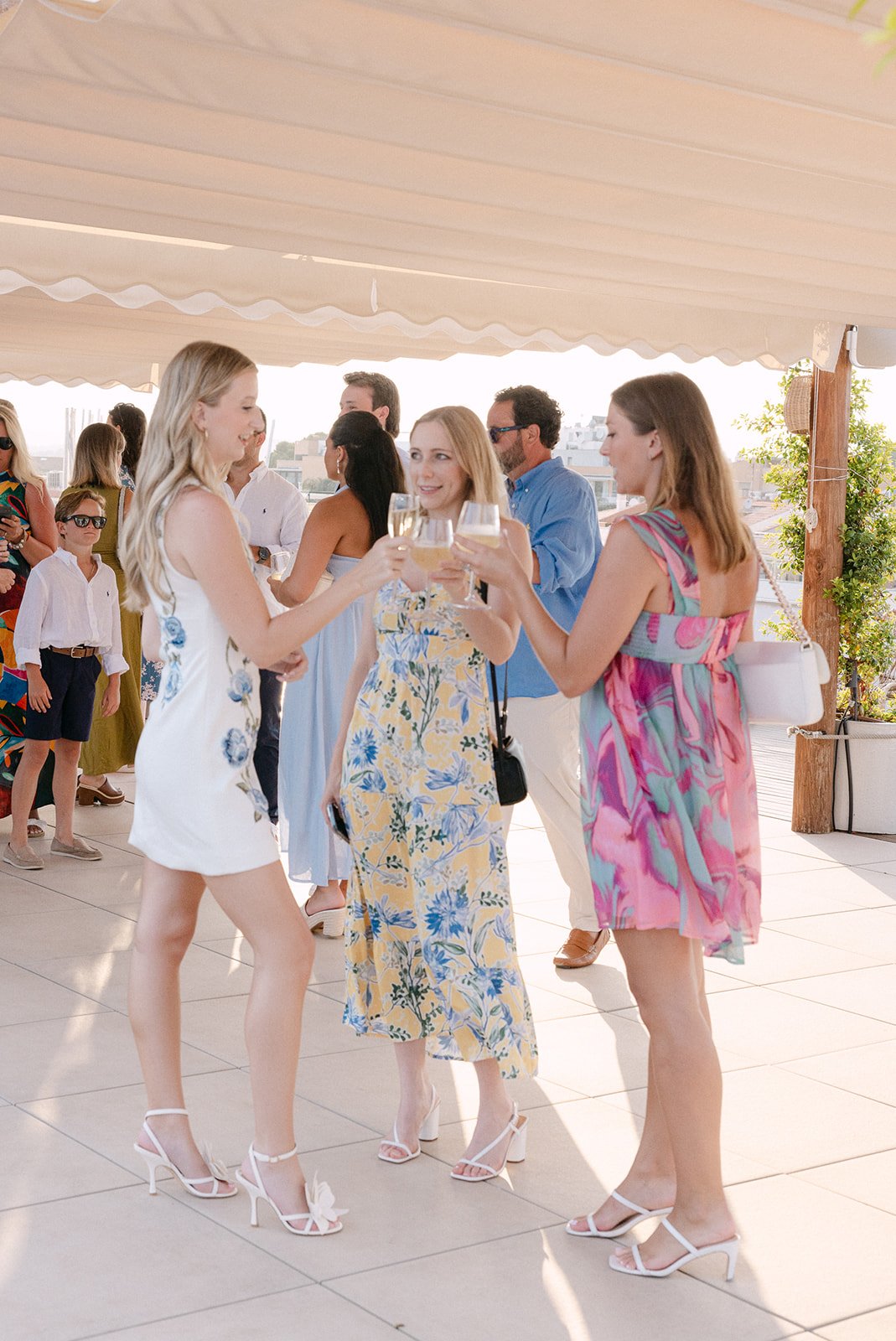
But the bigger advantage is what happens around the wedding day. Because Barcelona rewards a longer stay, couples increasingly treat the trip as a proper long weekend rather than a single event: a welcome dinner the night before, a lazy pool day after, maybe a group excursion to Montserrat or a cava tasting in Penedès. For multicultural families in particular — say, the groom's side arriving from Mumbai and the bride's from Boston — that extra time together, outside the formality of the ceremony itself, often becomes the part people remember most. It's where families who've never met actually get to know each other.


When Should You Get Married in Barcelona?
Catalonia has a proper Mediterranean climate, which means you have far more flexibility here than in most European destinations. That said, if we're being honest with clients, we tend to steer them toward:
May and June — warm, golden light, everything in bloom
September and October — arguably even better: the heat has softened, the light turns amber in the late afternoon, and venues are slightly easier to secure
July and August are glorious for a beach holiday and genuinely difficult for a 4pm ceremony in full sun — we'll always tell you this plainly rather than let you find out the hard way. Shoulder-season weddings also tend to be kinder to your guests, your vendors, and increasingly, the planet — smaller carbon footprints, less strain on local resources, and produce that's actually in season for your menu.
Can You Legally Marry in Spain as a Foreigner?
This is the question we get asked first, almost every time — and the honest answer is: it depends, and for many couples, it's more complicated than they expect.
Spain has residency and documentation requirements that vary by nationality, and the legal process can take months. Because of this, the vast majority of our international couples take one of two routes:
Marry legally at home, celebrate symbolically in Barcelona. By far the most common choice. You handle the paperwork wherever it's simplest — often before you even arrive — and that frees up your Barcelona ceremony entirely. No script to follow, no legal boxes to tick during the vows themselves. You can write your own, blend two languages, include readings from two different faiths, whatever feels true to you.
A recognised religious ceremony. Depending on your religion and circumstances, this may carry legal standing in Spain. It's worth investigating early, as requirements differ significantly by faith.
If it helps to hear this from people who've stood through hundreds of these ceremonies: a symbolic wedding is not a lesser one. Some of the most moving ceremonies we've been part of were symbolic ones, precisely because nothing about them was dictated by a legal script.
Where to Get Married: Venue Styles Around Barcelona
The range here genuinely surprises first-time visitors.
Catalan masias — centuries-old countryside estates, all stone walls and fig trees, for couples who want privacy and a sense of place that feels unmistakably Catalan.
Vineyards — for anyone who considers a good wine list part of the celebration, not an afterthought. Sunset ceremonies among the vines are hard to beat.
Beach and coastal venues — relaxed, informal, barefoot-adjacent luxury, with the Mediterranean doing the heavy lifting.
Private villas — ideal if you're thinking beyond a single day toward a full wedding weekend with your closest circle under one roof.
City hotels and historic estates — for couples who want polish, service, and Barcelona's pulse close by.
The right choice usually comes down to more than aesthetics — how your guests will get there, where they'll sleep, whether Grandma can manage gravel paths, whether you're blending two very different family expectations under one roof. That last part, especially, is where a local planner tends to earn their keep.


What Does a Barcelona Wedding Actually Cost?
We'll cover this properly in the next guide in this series, but a few honest notes here.
Your main costs will fall across venue, catering and drinks, planning, florals and styling, photography and video, entertainment, and guest logistics. What catches many international couples off guard isn't any single line item — it's realising that a destination wedding is rarely one event. It's a weekend: welcome drinks, the ceremony and reception, perhaps a farewell brunch. Budget for the whole arc, not just the main day.
The upside is that Barcelona's supplier network is strong and its produce genuinely excellent, so quality-for-cost here tends to compare well against other major European destinations.
Why the Food Matters More Than You'd Think
Ask any guest what they remember from a wedding a year later, and it's rarely the flowers. In Catalonia, food isn't a formality you get through before the dancing starts — it's part of the story.
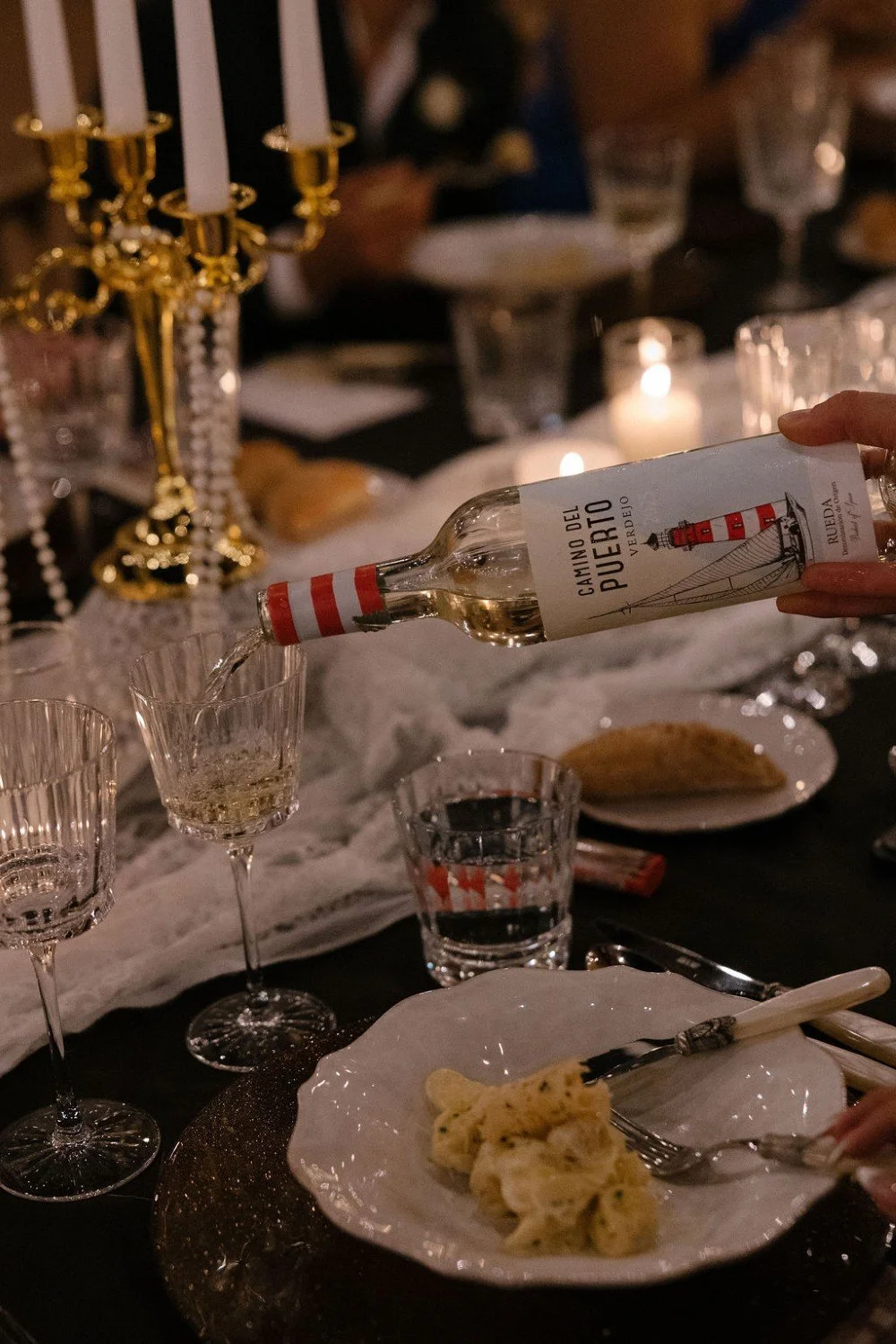
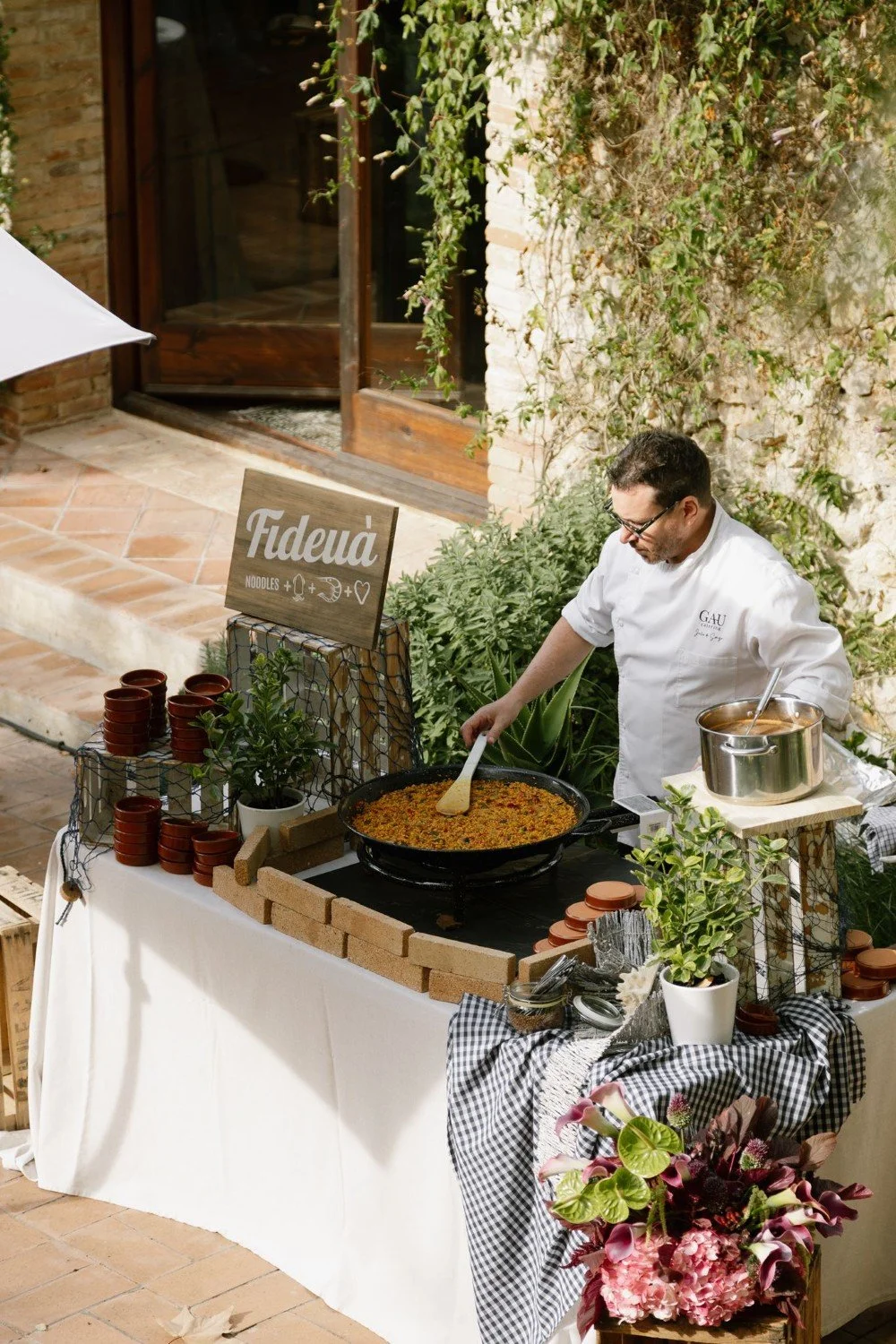
Think seasonal Mediterranean menus built around whatever's best that week, long outdoor aperitivo hours before dinner even begins, live food stations, regional wines, and — almost always — something salty and carb-heavy appearing around midnight for anyone still standing. We push couples to lean into this rather than default to a safe, generic banquet menu. Local, seasonal ingredients taste better, and they're a quietly sustainable choice too.
For multicultural weddings, this is also where two families often meet halfway — a menu that nods to both a Catalan seafood tradition and, say, a family's South Asian spice palate, served across the same table.

Does Your Wedding Have to Look "Traditional"?
Not remotely. In fact, this is often exactly why couples choose to marry abroad in the first place — it gives you permission to leave behind whatever version of "wedding" you were expected to have.
We've planned intimate elopements for two, multi-day multicultural celebrations blending two faiths and three languages, relaxed family-style dinners with no formal seating chart at all, and humanist ceremonies with zero religious content whatsoever. None of it needs to follow a template. Given that well over a third of the couples we work with come from two different cultural or religious backgrounds, "traditional" rarely means just one thing anyway — and that's exactly the point. The best weddings we've been part of were built around the two people getting married, not around what a wedding is "supposed" to look like.

Do You Actually Need a Wedding Planner Here?
You could plan it yourself. Some couples do. But abroad, you're managing a language you may not speak, contracts under a legal system you don't know, suppliers you've never met in person, and — often — two families with different expectations of what "the wedding" should include.
What a local planner really offers isn't logistics, though there's plenty of that. It's judgement. Someone who's stood in the room before, knows which venues handle rain well and which don't, which caterer will actually adapt a menu across two cuisines without it feeling like a compromise, and where the genuine cost traps are before you fall into them. Our job is less "vendor booker" and more translator — between your vision and what's actually possible, and often between two families meeting each other properly for the first time

Is Barcelona Right for You?
If what you want is a beautiful backdrop and nothing more, plenty of places can offer that. But if you want a wedding with real texture — excellent food, genuine warmth, room for two cultures or two families to actually connect rather than just coexist for an afternoon — Barcelona tends to deliver something harder to manufacture elsewhere.
We're always happy to talk through what's possible, at whatever stage you're at. Planning a wedding abroad should feel like an adventure you're excited about, not a project you're dreading.
Still weighing up your options? If Mallorca is also on your shortlist, have a look at our guide to Getting Married in Mallorca — same sun, different flavour of magic.
Frequently Asked Questions
Is Barcelona a good destination wedding location?
Yes — it combines strong international flight access, a genuine range of venue styles, some of the best food in Europe, and a climate that supports outdoor ceremonies for most of the year.
Can foreigners legally marry in Spain?
It's possible, but often complex for non-residents due to documentation and residency requirements. Most international couples marry legally in their home country and hold a symbolic ceremony in Barcelona instead.
How much does a Barcelona wedding cost?
It depends heavily on guest count, venue, and how many events you're planning across the weekend. We break this down properly in our dedicated budget guide.
What's the best month to marry in Barcelona?
May, June, September, and October offer the most comfortable balance of warmth and light. July and August are hot, particularly for daytime ceremonies.
Do I need a wedding planner for a destination wedding in Barcelona?
Not strictly — but a local planner tends to save you from expensive mistakes, smooth over cultural and logistical friction, and generally make the whole process feel far less daunting.