
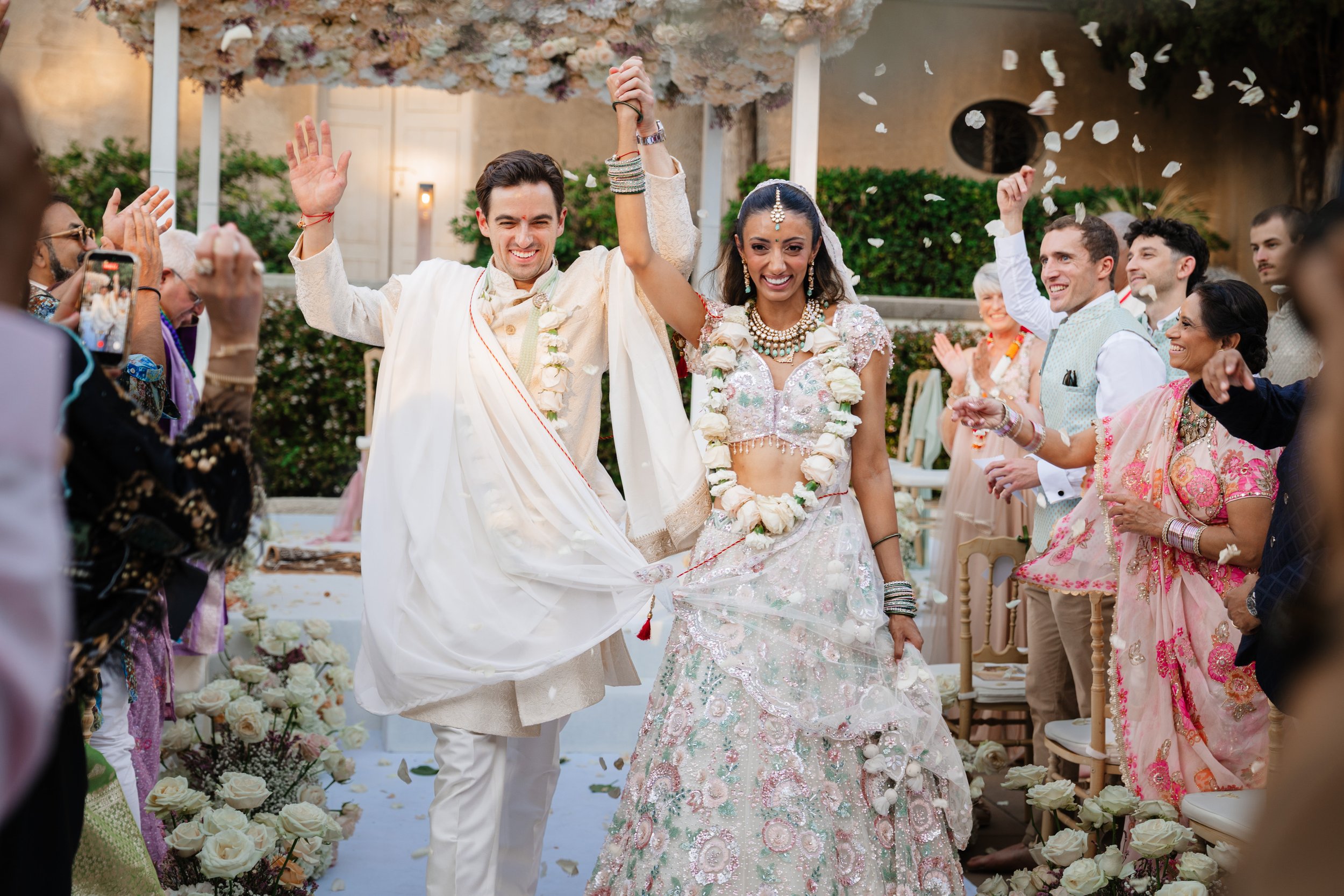
Planning a Multicultural Wedding in Barcelona:
Blending Traditions, Languages and Families
More than a third of the couples we work with come from two different cultures, countries, or faiths — which, over the years, has quietly become one of the things we're best at, without ever quite planning it that way. It tends to happen naturally when you're based in a city like Barcelona: a genuine international crossroads, full of people who fell for someone from somewhere else entirely.
If that's you — two families, two sets of traditions, maybe two or three languages spoken across the wedding weekend — this guide is for exactly that situation. Not the generic destination wedding advice everyone else is writing, but the real, practical questions that come up when you're trying to build one celebration that properly honours where you both come from.
You Don't Have to Choose One Culture Over the Other
This is the anxiety we hear most often, usually early in the planning process: a quiet worry that blending two traditions means diluting both, or that someone's family will end up feeling like a guest at someone else's wedding rather than an equal part of it.
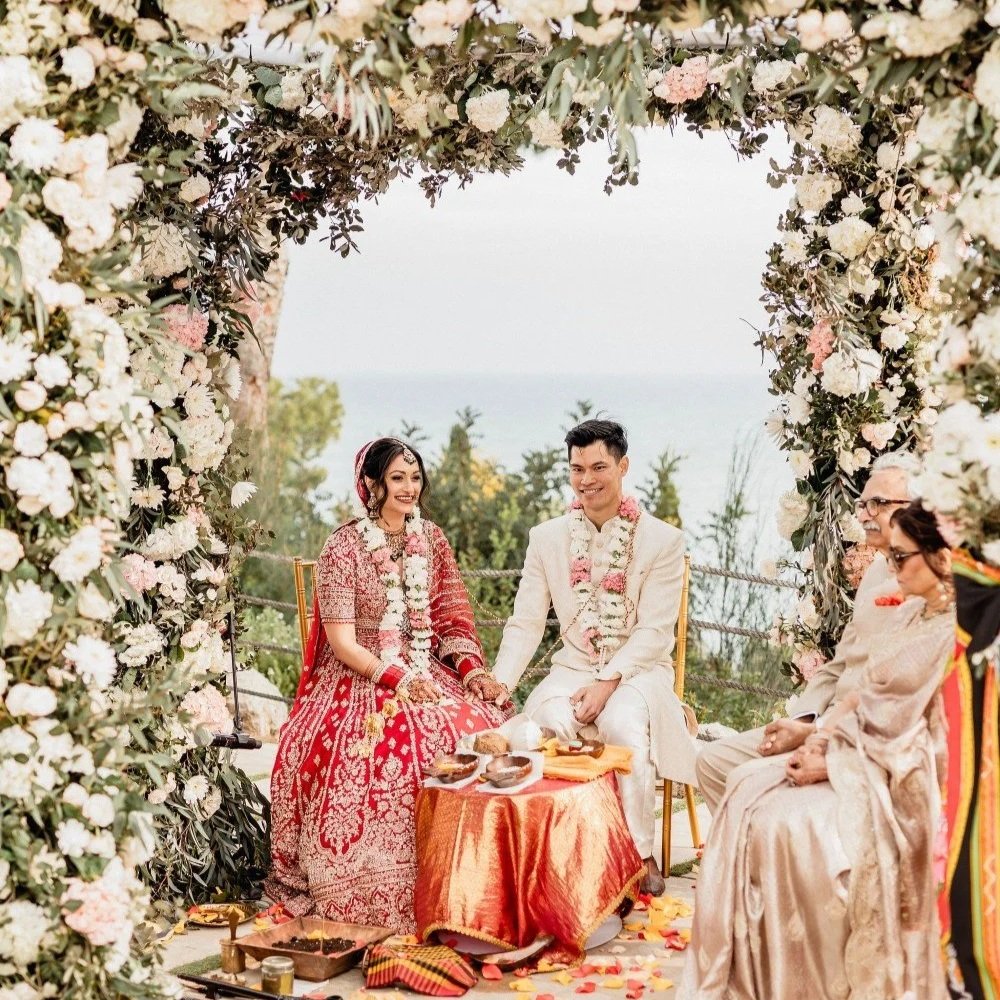
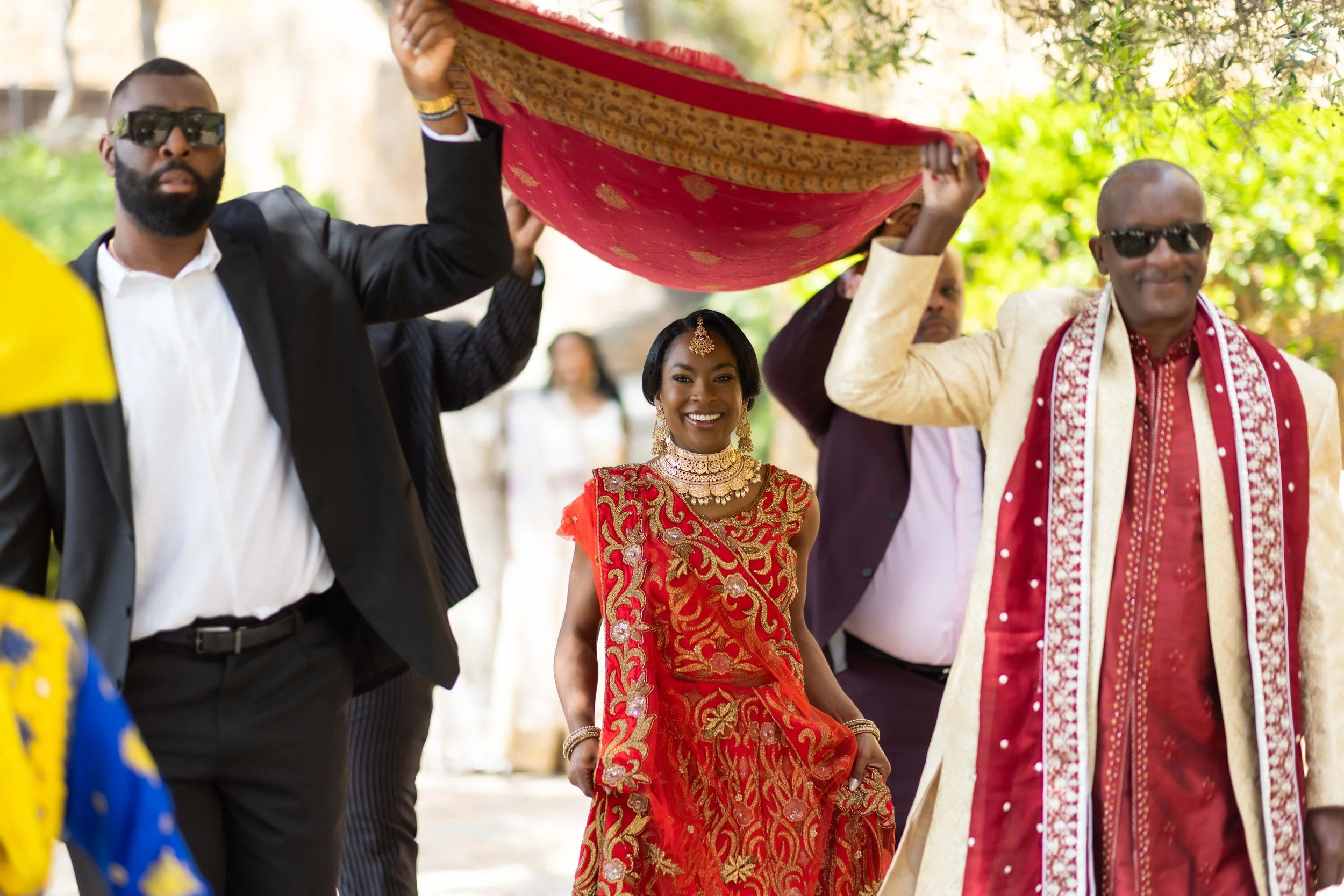
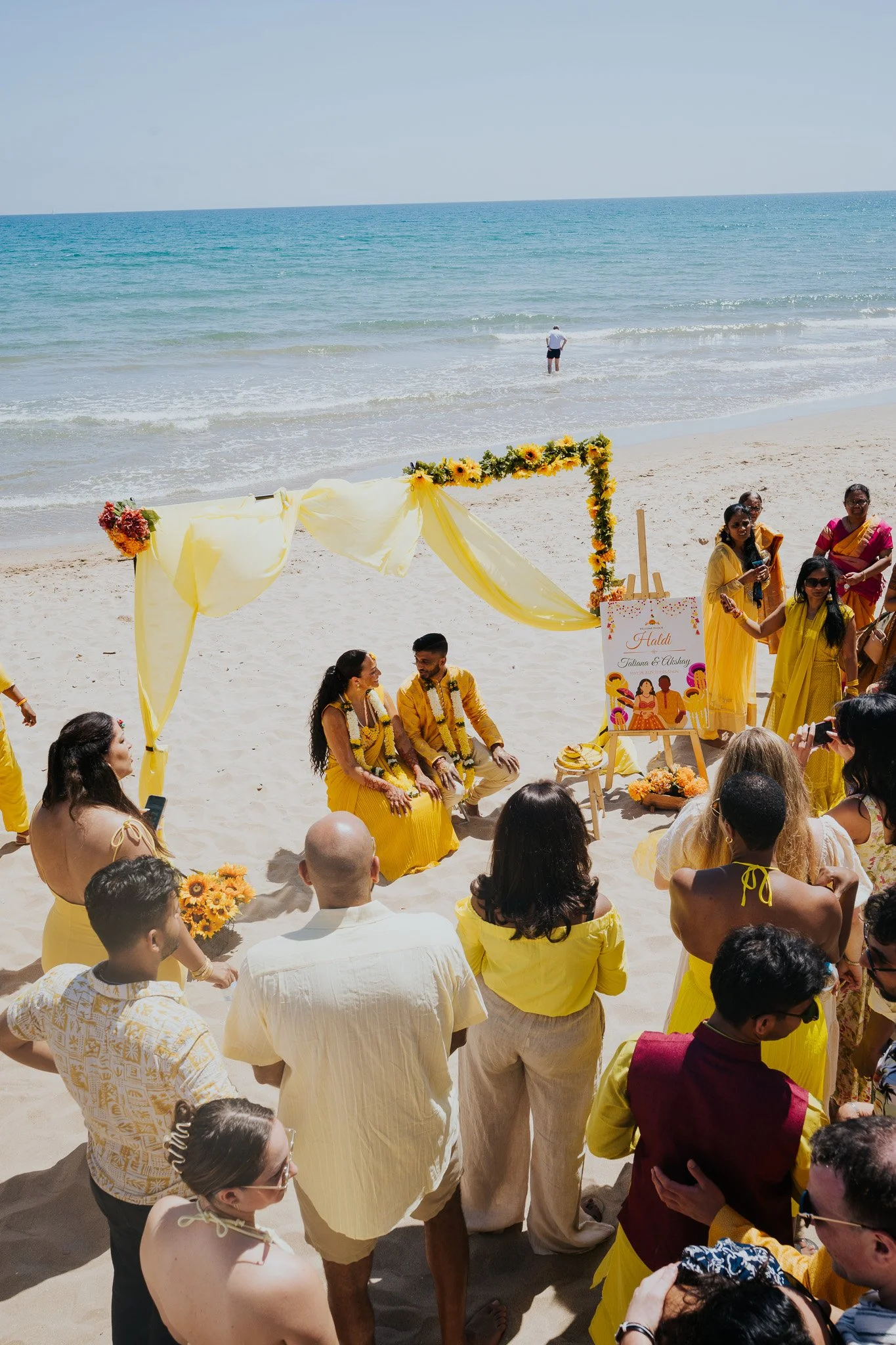
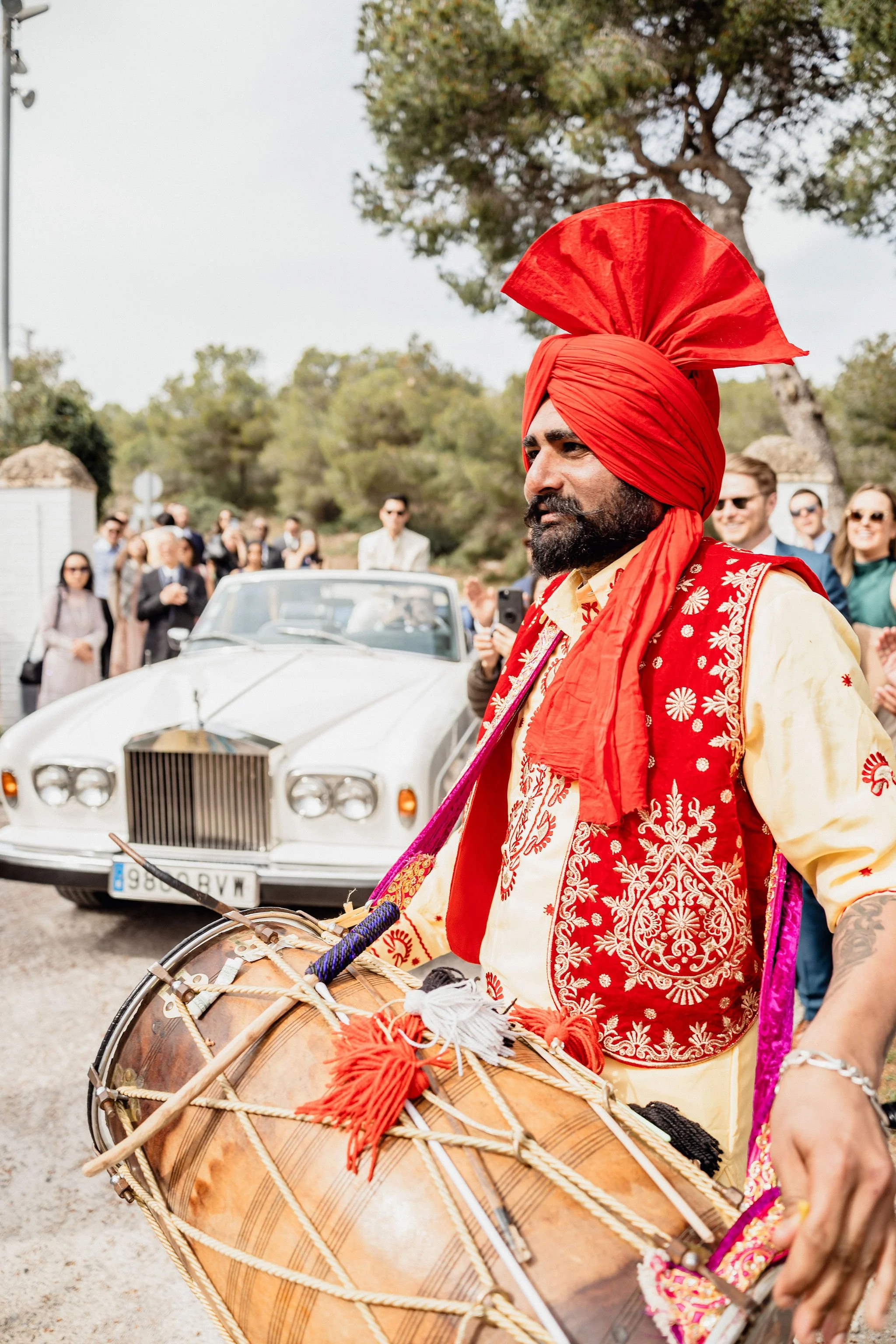
It doesn't have to work that way. The multicultural weddings we've loved planning most didn't merge two traditions into some neutral in-between. They let each one stay fully itself — a Catalan blessing followed by a completely separate ceremony rooted in another faith, back to back, each one given real time and real weight rather than compressed to make room for the other. The goal isn't compromise. It's generosity — toward both families, in equal measure.
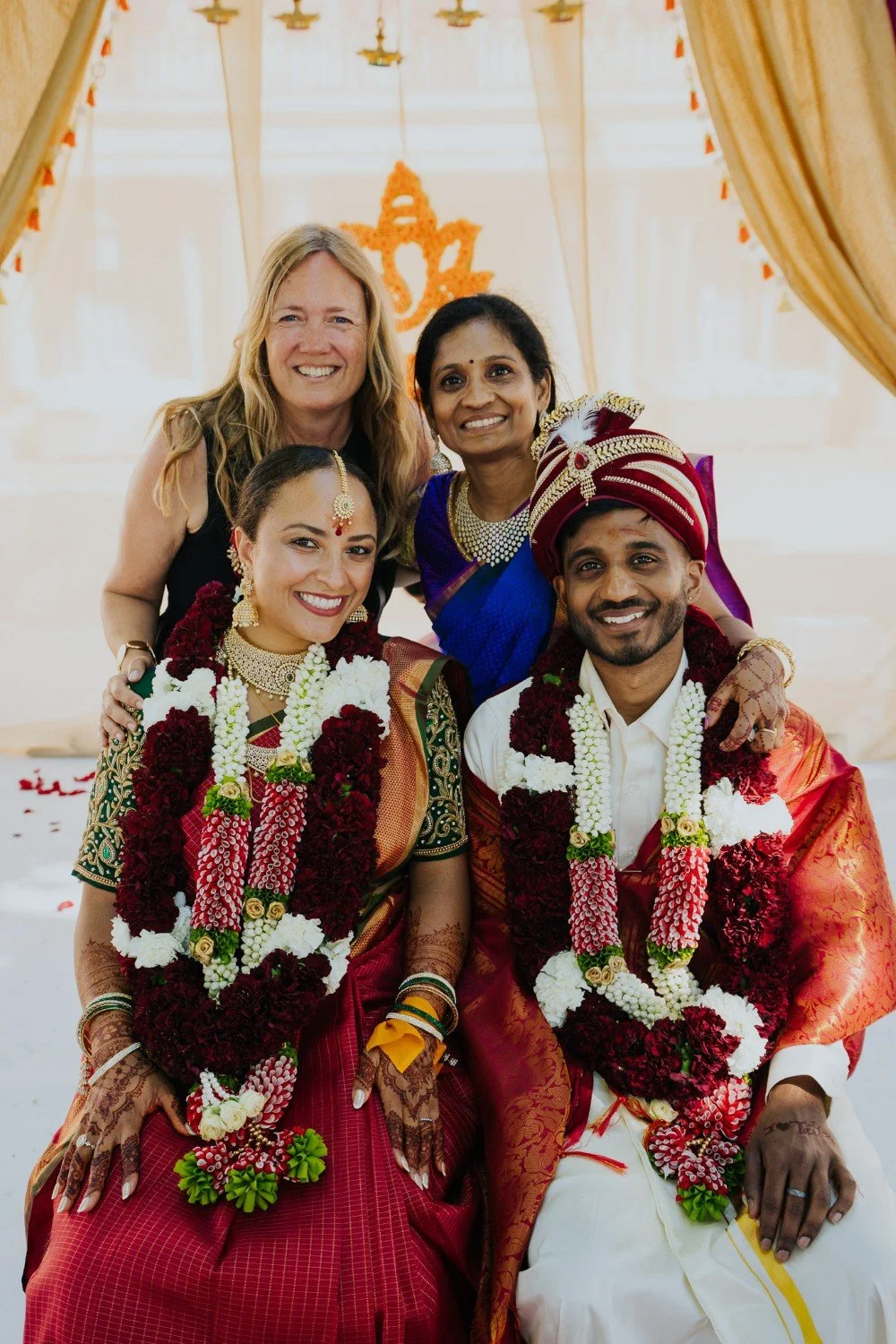
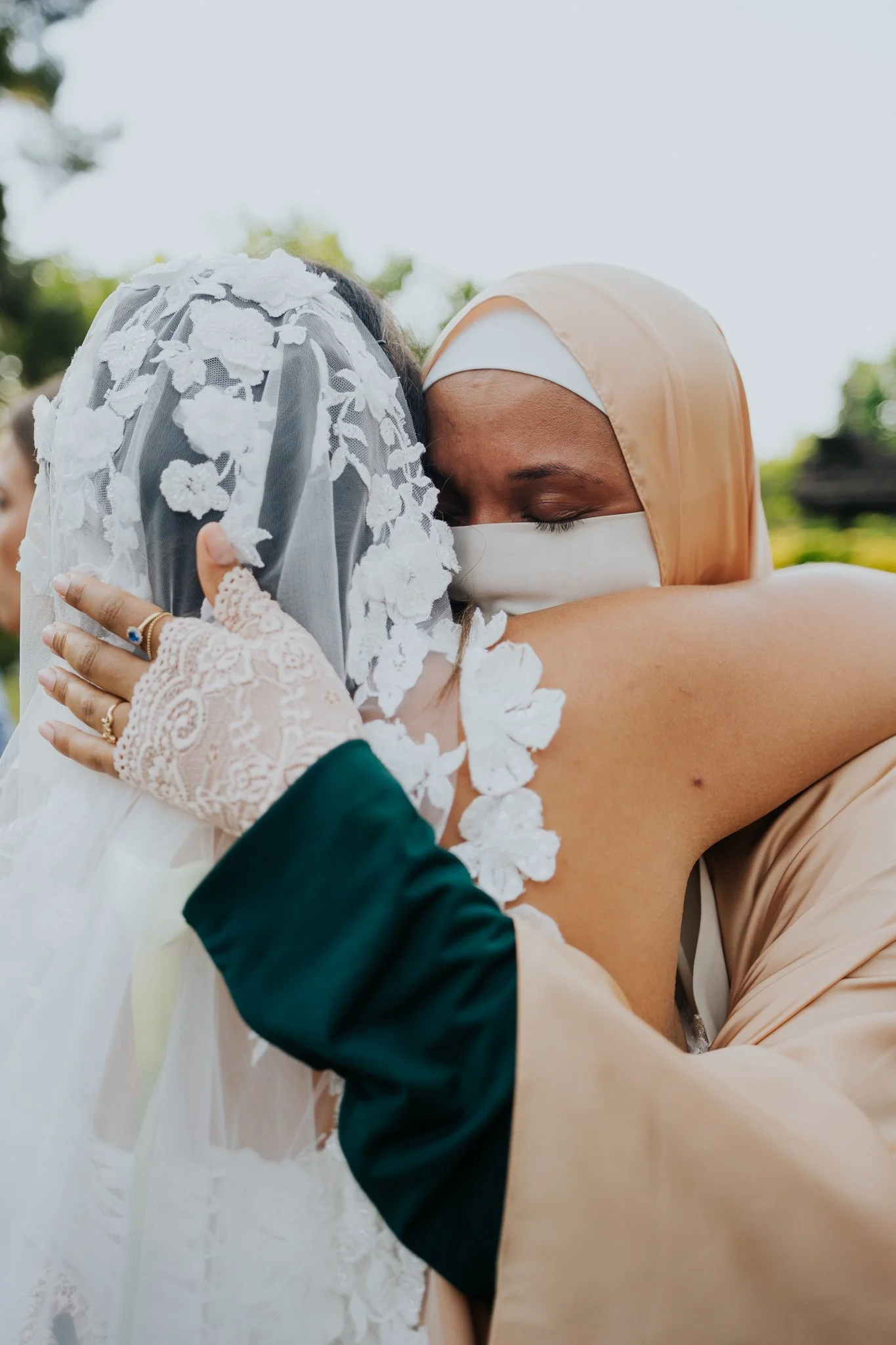
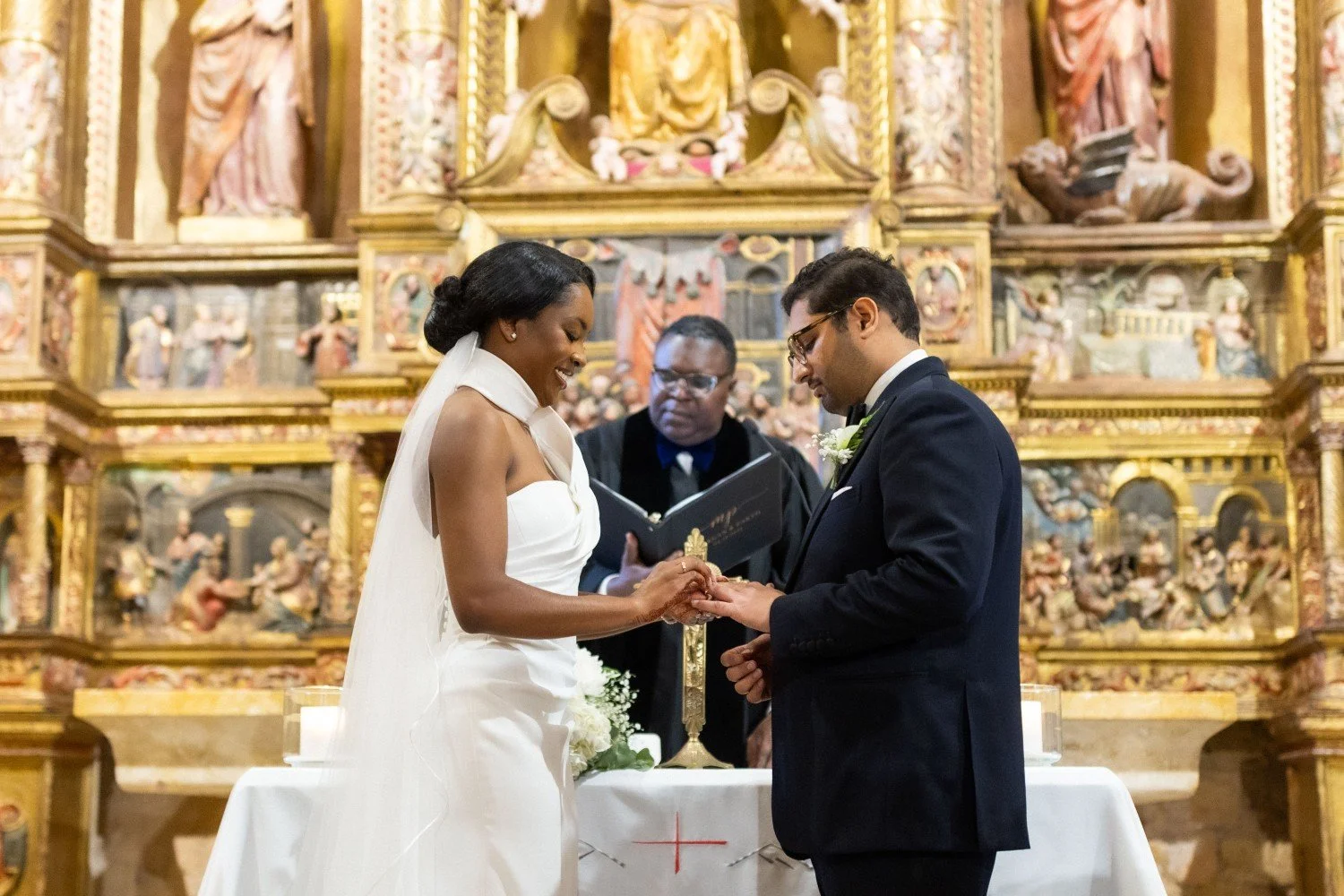
Getting the Ceremony Structure Right
This is usually the first big decision, and it shapes almost everything that follows. Broadly, couples tend toward one of a few structures:
Two full, separate ceremonies, often on the same day, sometimes on consecutive days if the traditions are substantial enough to deserve their own time and space. This works well when both families have strong expectations around a specific ritual and neither wants it shortened.
One blended ceremony, weaving elements from both traditions into a single service — readings in two languages, two sets of rituals performed side by side, sometimes two officiants sharing the space. This suits couples who want everyone in the room for one unified moment, rather than splitting the day.
A civil or symbolic ceremony, deliberately built outside either tradition, sometimes alongside smaller private rituals with immediate family only. A good option when neither family's customs feel like the right fit for the couple themselves, or when legal marriage has already happened elsewhere.
None of these is more "correct." The right structure depends entirely on how much weight each tradition carries for your families, and how much time you're genuinely willing to give the day.
Language: Plan for It Earlier Than You Think
If your guests are arriving speaking two, three, or more languages, this needs deliberate planning — not a hope that everyone will muddle through in English on the day.
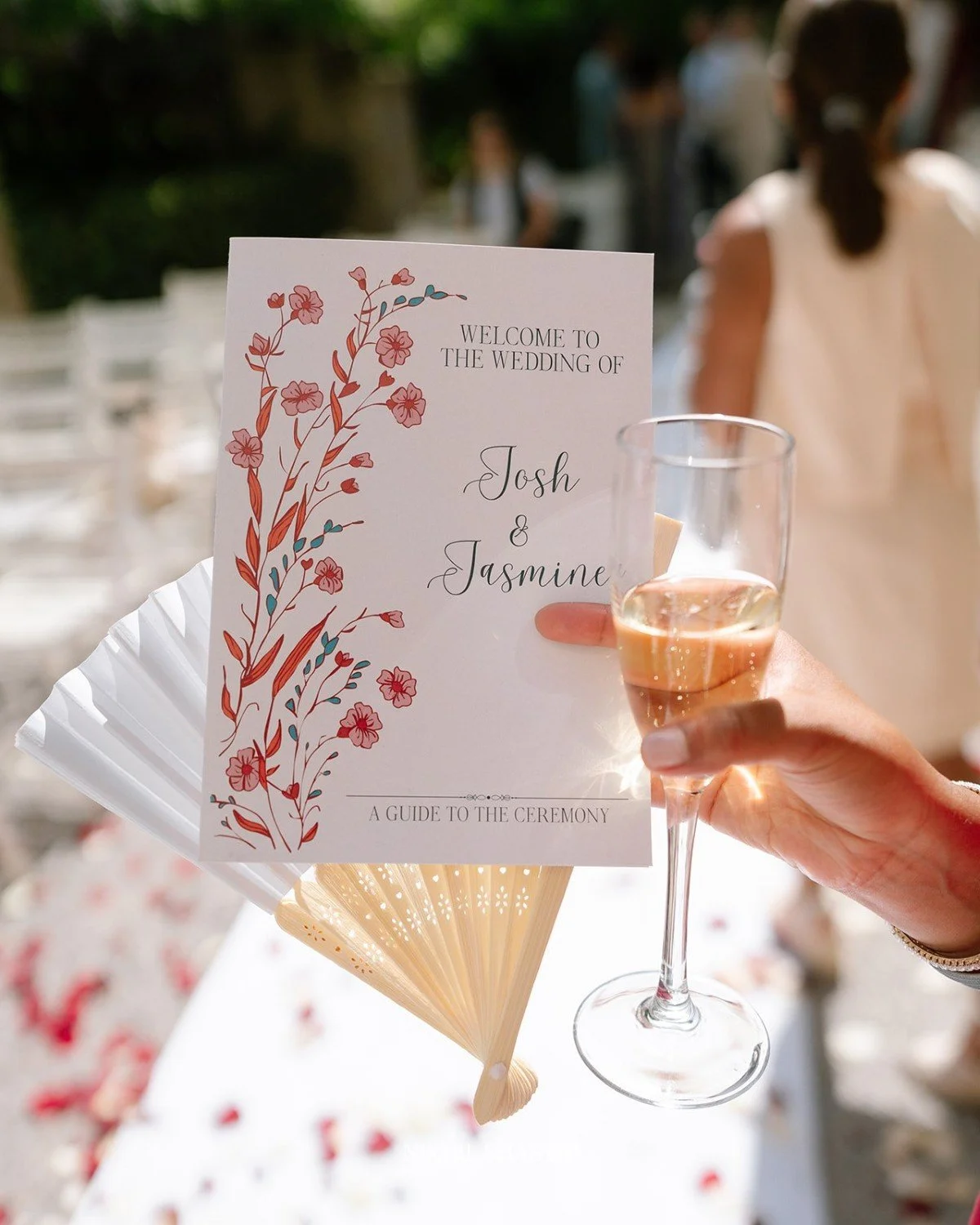
A few things worth arranging early: a bilingual or trilingual officiant, or one working alongside a skilled interpreter who can keep pacing natural rather than stilted. Printed programmes in more than one language, so nobody's quietly asking their neighbour what's happening next. And thoughtful speech planning — if grandparents are toasting in a language half the room doesn't speak, a brief live translation or subtitled written version afterwards goes a long way toward making sure the moment lands for everyone, not just half the guests.
This sounds like a small detail. In practice, it's one of the things that most affects whether both families walk away feeling like they were truly part of the day.
Food Is Often Where Two Cultures Meet Most Naturally
If there's one place blending traditions tends to feel effortless rather than forced, it's the menu. Catalonia's food culture is generous enough to make room for almost anything alongside it — a Mediterranean seafood course next to dishes rooted in an entirely different cuisine, both served at the same long table.
We've built menus that paired Catalan classics with South Asian spice, with East Asian technique, with Middle Eastern mezze — not as a novelty, but because food is often the single easiest way for two families to actually connect. Nobody needs to understand the other family's language to share a plate of something genuinely delicious.
Managing Two Sets of Family Expectations
This is, honestly, the part that has the least to do with logistics and the most to do with diplomacy. Two families often arrive with different — sometimes conflicting — assumptions about what a wedding is supposed to include, and navigating that gently is a real skill.
What tends to help: early, honest conversations with both families about what matters most to each side, rather than assuming. A planner who can sit slightly outside the family dynamic and ask the practical questions neither of you wants to raise directly. And a willingness, sometimes, to accept that not every tradition can be included in full — but that the ones you do choose should be honoured properly, not just gestured at.
Practical Logistics Worth Thinking Through Early
A few things multicultural weddings often need more lead time for than a single-tradition wedding might:
Officiants qualified or comfortable working across two faiths or languages. Extra ceremony time built into the schedule, rather than trying to compress two rituals into the slot meant for one. Guest transport and accommodation planned with two sets of travel patterns in mind — families arriving from different continents rarely land on the same timeline. And vendor selection — photographers, caterers, and florists who've actually worked multicultural weddings before tend to understand pacing and priorities in a way that saves real stress on the day.
Why Barcelona Works Particularly Well for This
Beyond the obvious — excellent flight connectivity, glorious weather, venues for every scale — Barcelona has something less tangible going for multicultural celebrations specifically: it's a city that's used to difference. Nobody here blinks at a wedding with three languages and two ceremonies. That ease, oddly, tends to put both families at ease too.
The Best Multicultural Weddings Feel Like Neither Family Compromised
If there's one thing we'd want couples navigating this to take away, it's this: the aim was never to find some watered-down middle ground both families could tolerate. It's to build a day generous enough that both sides walk away feeling like it was genuinely theirs too — not merged, not diluted, just held together with real care.
That's the work we find most meaningful, honestly. Helping two families who've never met become, for one weekend, one.
Frequently Asked Questions
How do you plan a wedding that blends two different cultures?
Usually by giving each tradition real space rather than merging them into something neutral — through separate ceremonies, bilingual elements, or a shared menu that lets both cuisines stand fully on their own.
Should we have one ceremony or two for a multicultural wedding?
It depends on how much weight each tradition carries for your families. Two full ceremonies work well when both traditions are substantial; a single blended ceremony suits couples who want everyone together for one unified moment.
How do you handle language differences at a multicultural wedding?
A bilingual or trilingual officiant, printed programmes in multiple languages, and translated or subtitled speeches all help make sure every guest feels included, not just those fluent in the primary language.
Is Barcelona a good destination for a multicultural or interfaith wedding?
Yes — strong international flight access, a wide range of venues, and a genuinely diverse local wedding industry make it a comfortable choice for couples blending two cultures or faiths.