
A Wedding in Spain, Month by Month: Finding Your Perfect Season
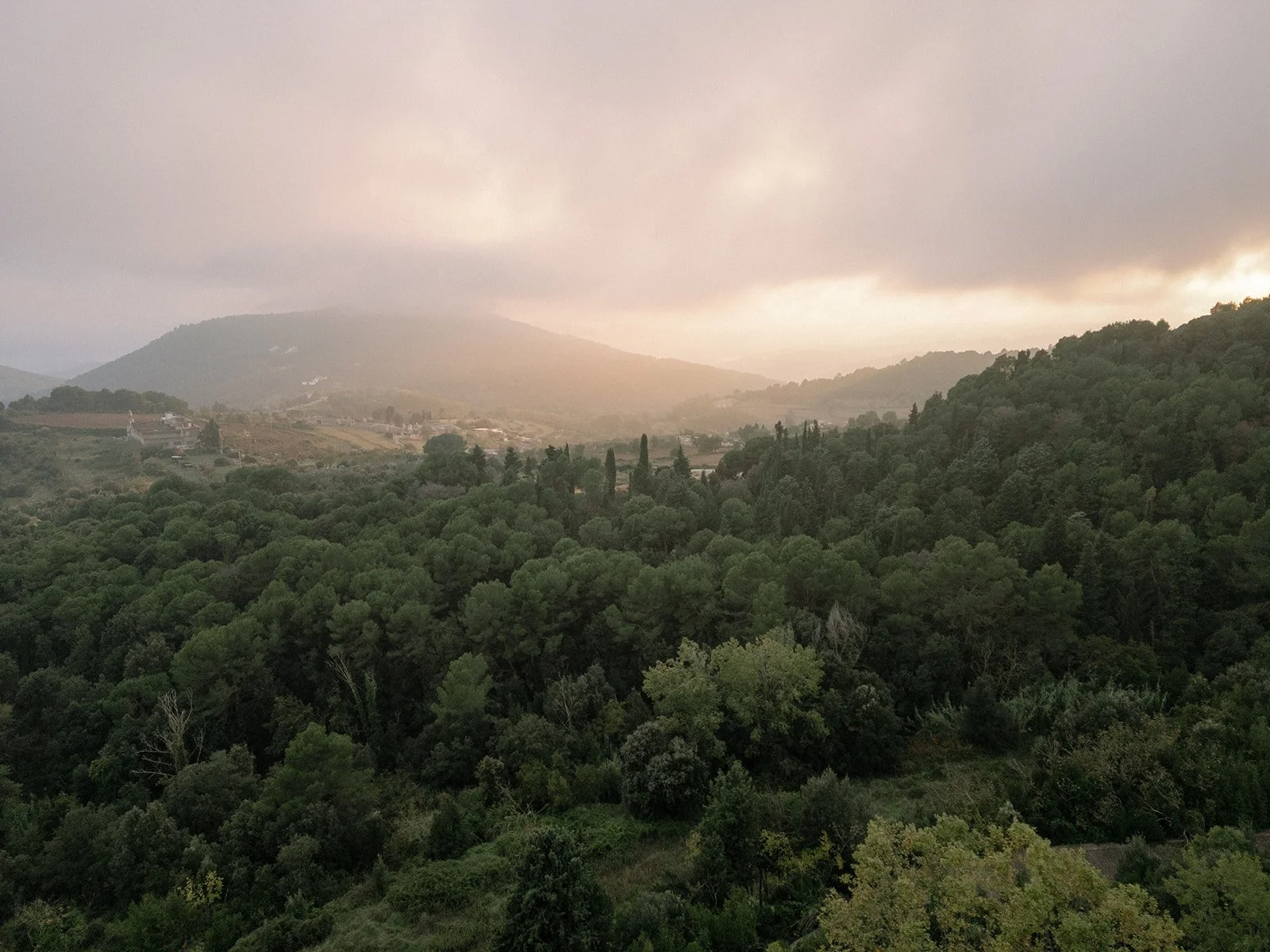
From soft April light to golden October evenings, every month in Spain has its own character. Here is what we have learnt from years of weddings, and why the quieter months deserve a closer look.
Soft autumn light, photo by AK Studio.
"When should we get married?" is one of the first questions we hear from couples, and there's no single right answer. Spain offers something lovely almost all year round. After planning weddings here through every season, we wanted to share what each month actually feels like, so you can choose the one that suits you best.
Which month suits you? A quick guide
Long, light evenings and late outdoor dinners: June or September
Comfortable temperatures, more choice and often better value: April or October
Golden light and autumn colours: October
Crisp winter sunshine and an intimate celebration: December to March
Our experience comes from planning weddings in Barcelona, Catalonia and Mallorca. The weather in other parts of Spain, especially the south, can be quite different.
Our two wedding seasons
We think of our year in two parts. The first runs from April to July. The second begins in late August or September and continues into November. In between comes a natural pause in August, when much of Spain goes on holiday and schools, offices and many vendors close. It's also when we rest. From November to March we're busy behind the scenes, visiting venues, running tastings with couples and getting to know new places.
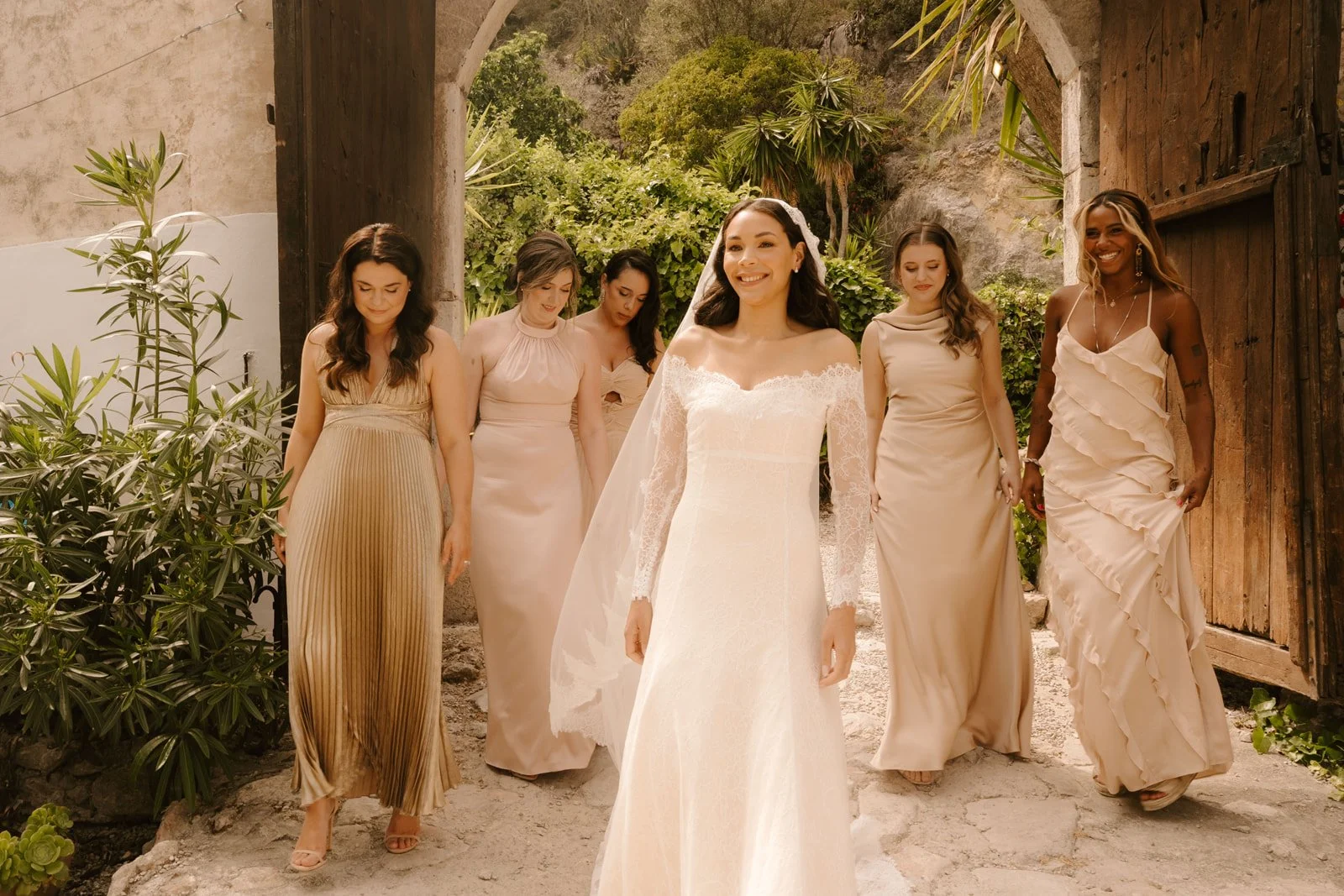
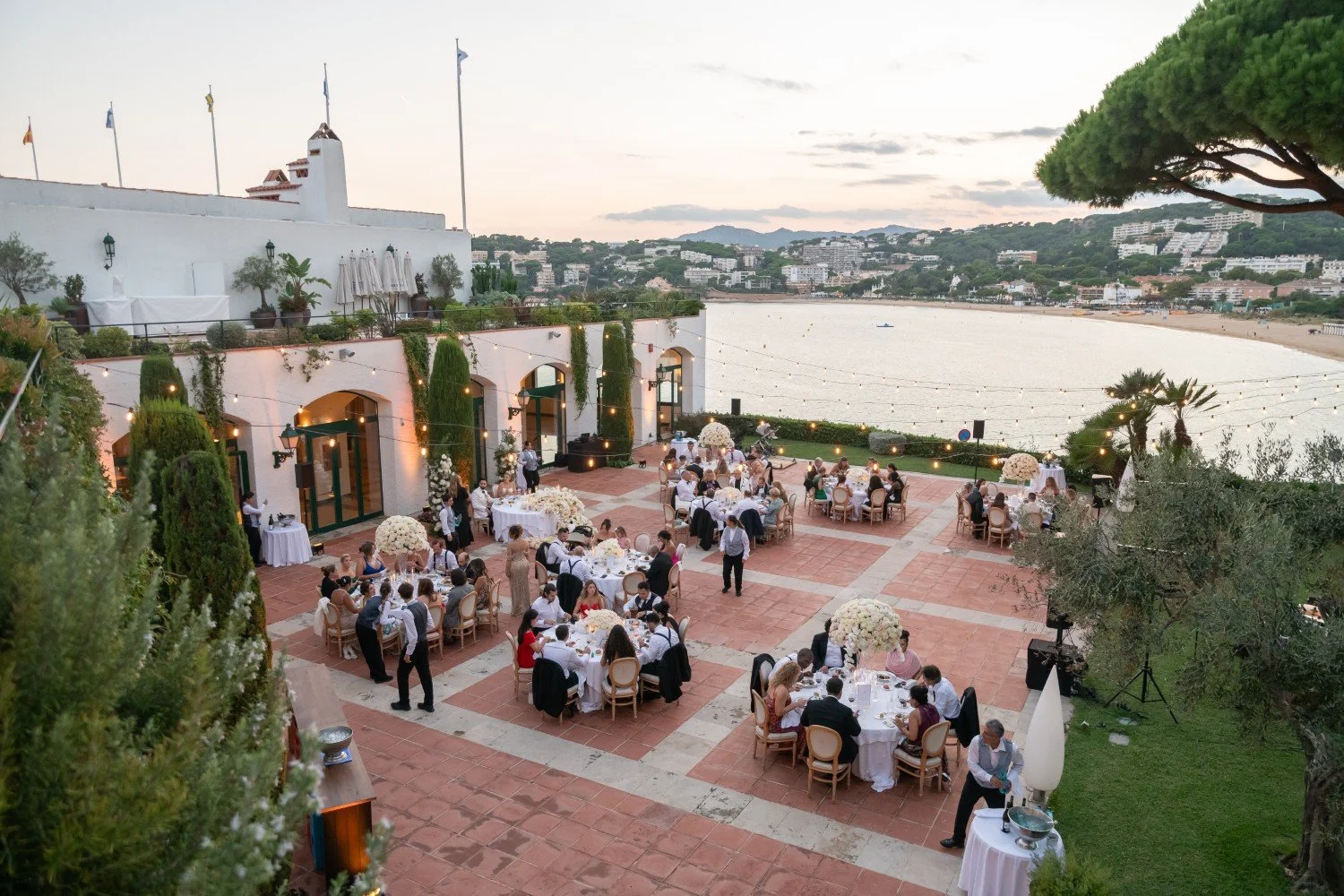
A spring wedding versus an autumn wedding. Photos by Alex Gallardo and Basilico Studio.
Month by Month
April
Soft spring light and fresh air. Gentle temperatures make it easy to be outdoors all day, and nature is at its greenest. A little rain is possible, so a good plan B matters.
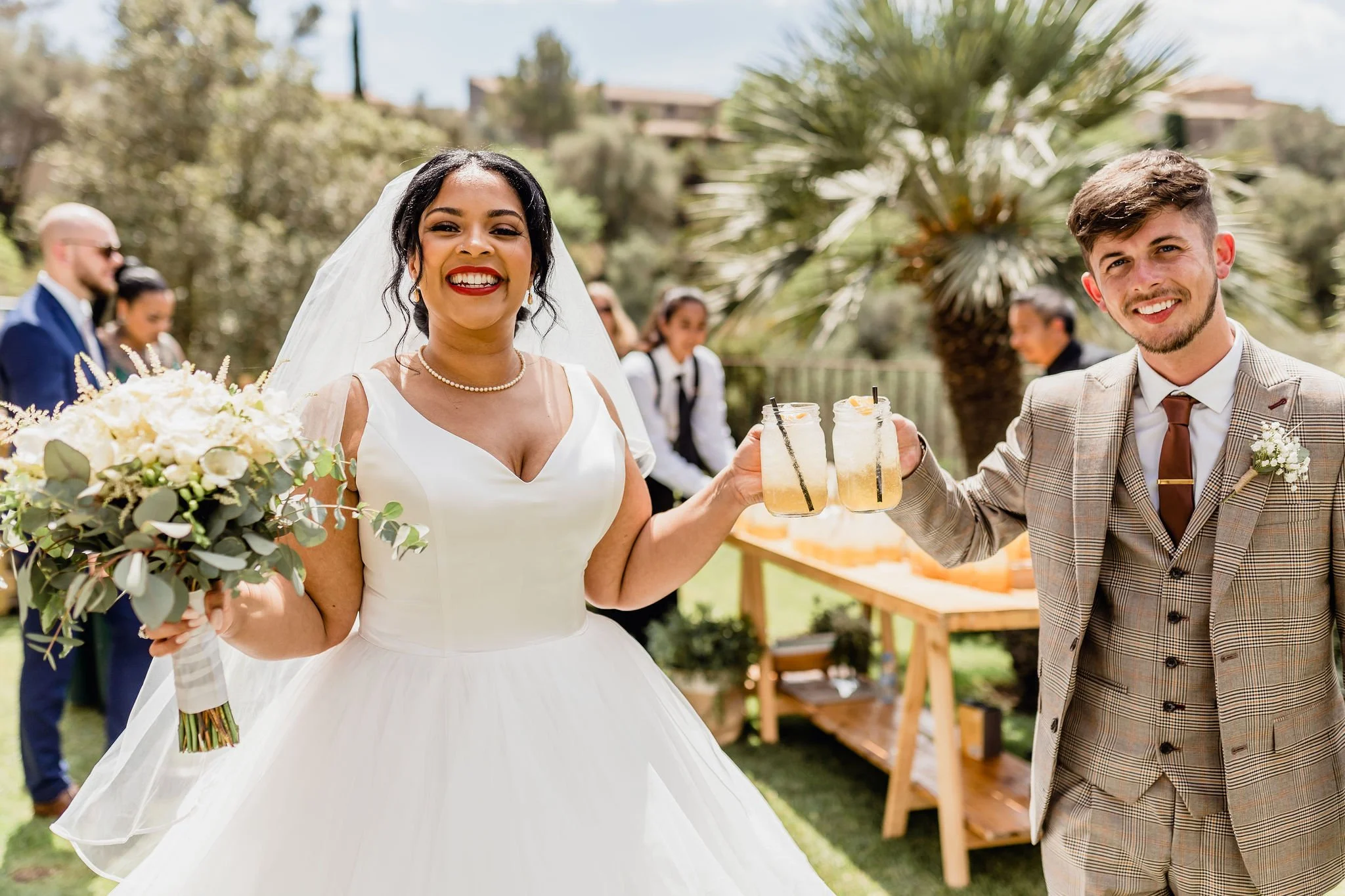
Photo from R & J’s wedding in April by Anna Svobodova
May
A little warmer, and sometimes properly hot at midday depending on the year. There may be some rain, but this is Spain, so it rarely becomes a problem. Evenings are long and light, so outdoor aperitifs are comfortable, but a covered back-up space is still worth confirming.
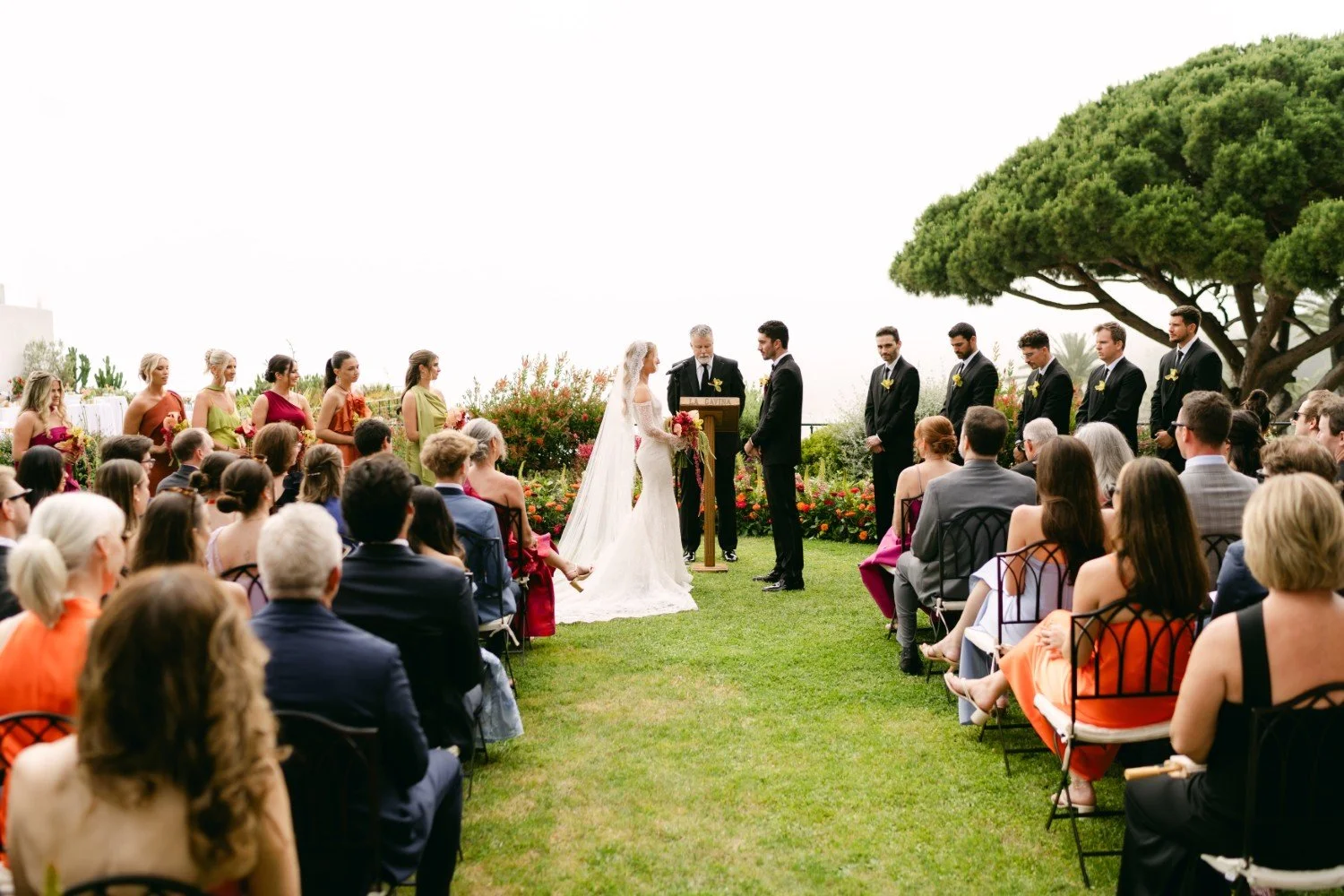
L & D’s ceremony, shot by Basilico Studio.
June
Some say it's the last month of spring, others the first of summer. Either way, the days are long and bright, which makes it perfect for outdoor banquets that go on late into the evening.
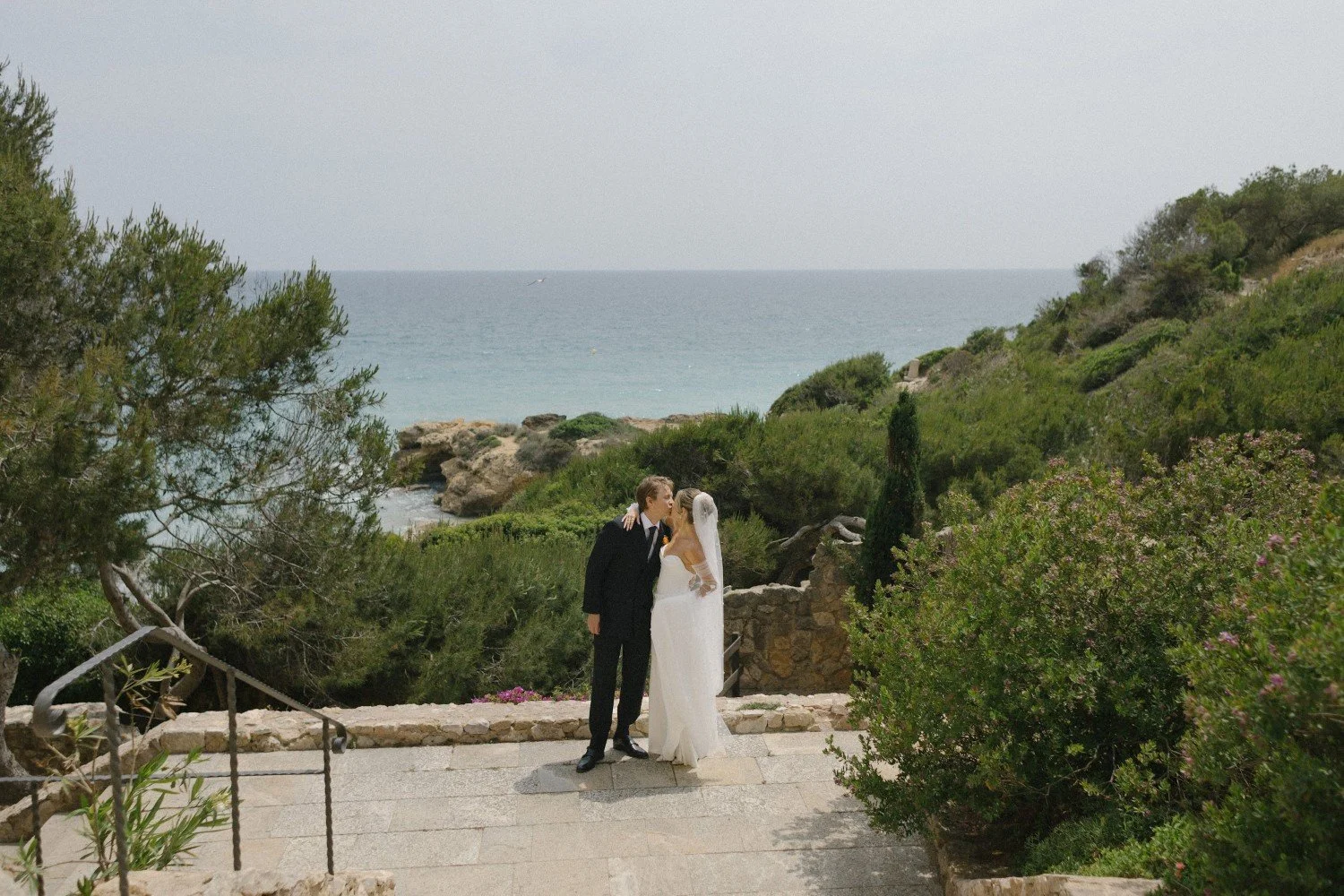
S & O overlooking the Mediterranean, photo by Radchenko Photography.
July
Hot. We suggest starting outdoor ceremonies and aperitifs late (around 17:00 at the earliest), then moving the banquet and dancing indoors with air conditioning, unless the venue has really well-shaded spaces. A church ceremony can also be a cool refuge in summer.
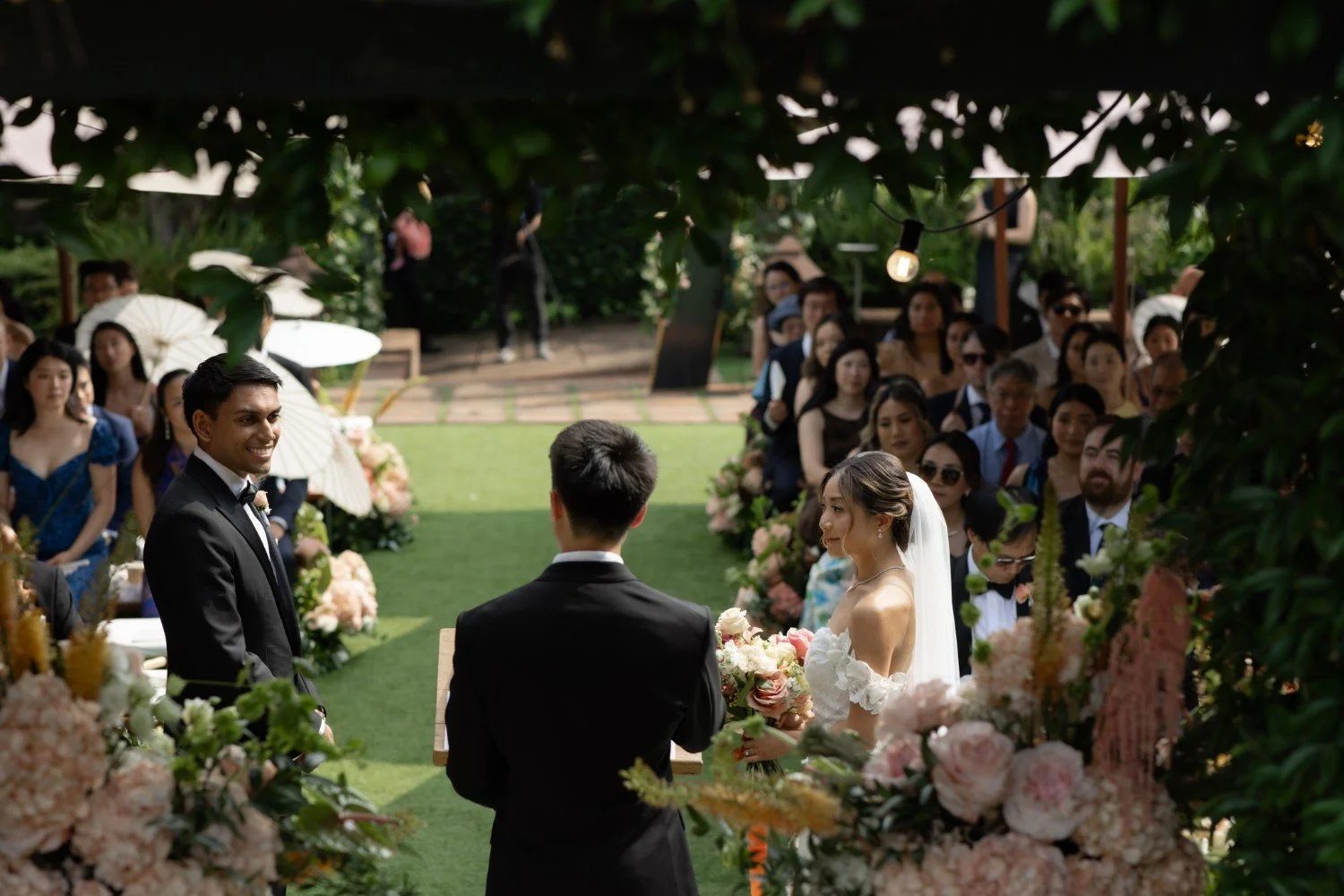
Guests under parasols, at C & C’s wedding - captured by Andrea Ferrara.
August
We generally avoid August. It's the hottest month, and it's when Spain, and we, take a break, so many vendors are unavailable. But rules are made to be bent. One couple found their dream venue, and it had only one weekend free, the first weekend of August. With the venue, the timing and the connection between planner and couple all falling into place, we couldn't say no. It was a hot weekend, and an amazing one. If August is your only option, plan around the heat: start the ceremony late in the day, make the most of shade and keep the dancing indoors with air conditioning.
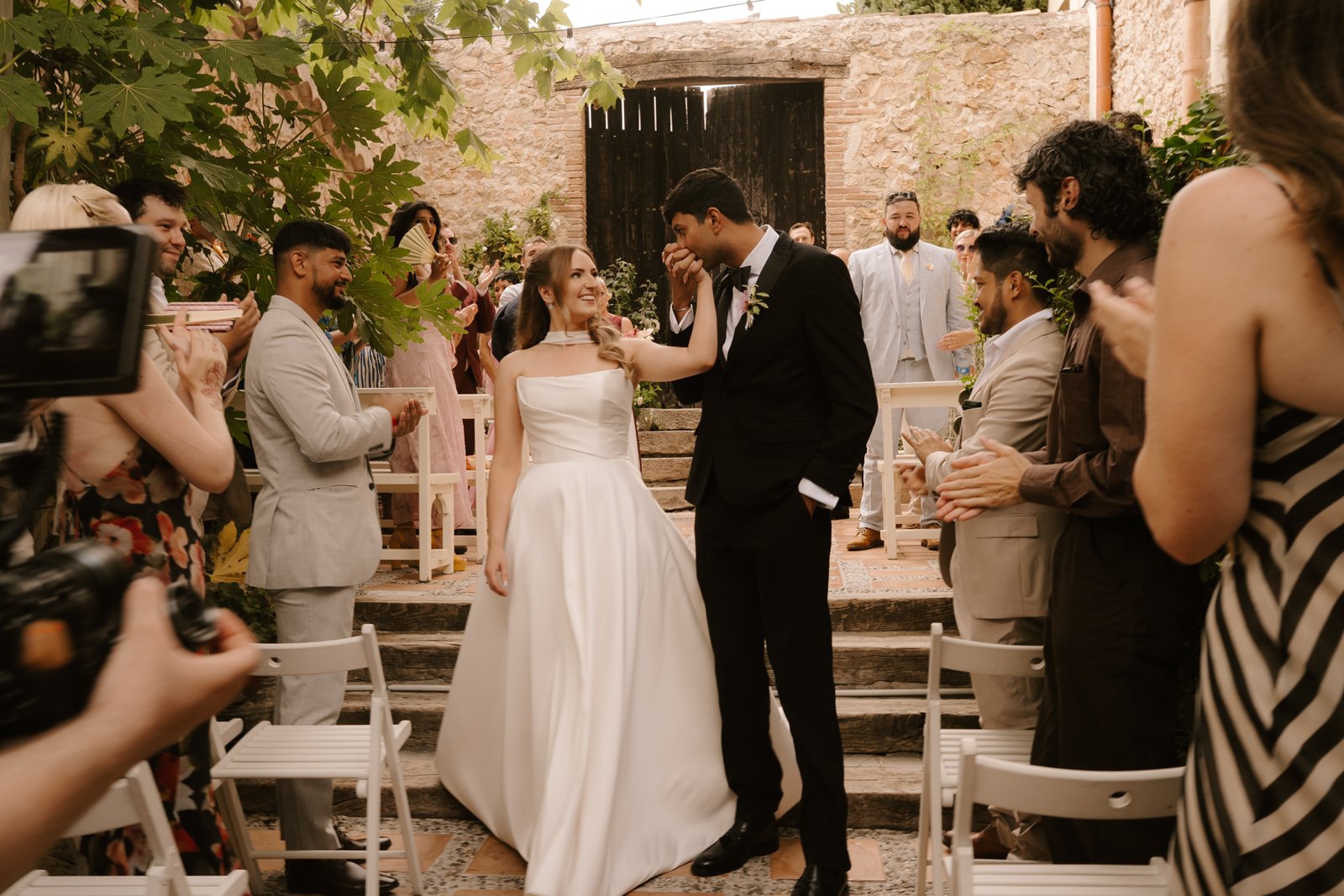
H & F’s wedding in August, photo by Alex Gallardo.
September
Often a summer month in all but name, with warm temperatures that let you stay outdoors for every part of the day. Together with June, it's our most popular month, and a team favourite. Sunset comes a little earlier than in June, which makes golden-hour photos easy to plan around dinner.
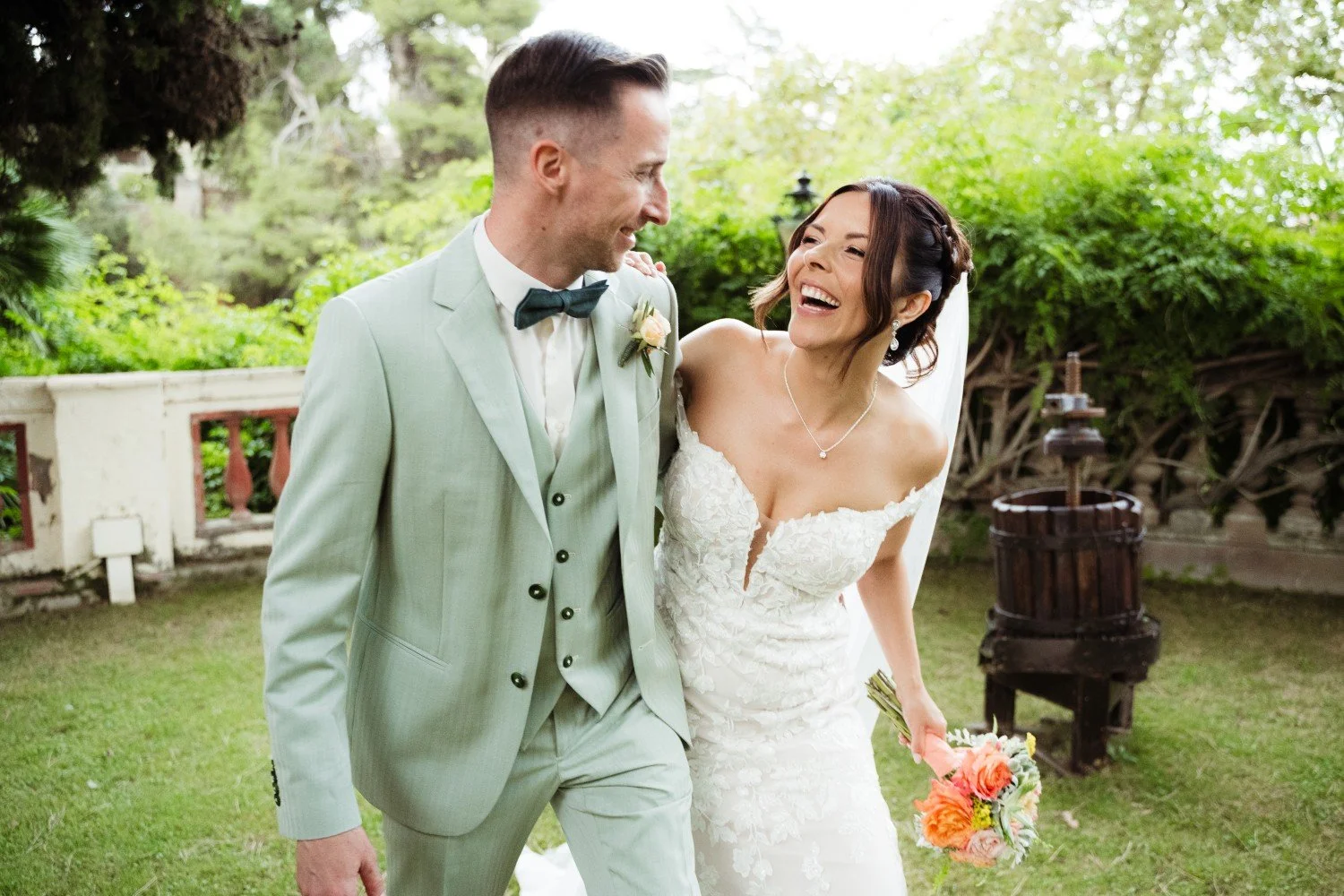
L & K got married in September, at a Masia outside Barcelona - their photographers were WabiSabi.
October
Cosy, early autumn. The Mediterranean is still warm from the summer, so a swim is possible, though you may want a scarf or thin cardigan in the evening. By the end of the month, the leaves begin to change colour, especially at venues near forests and mountains.
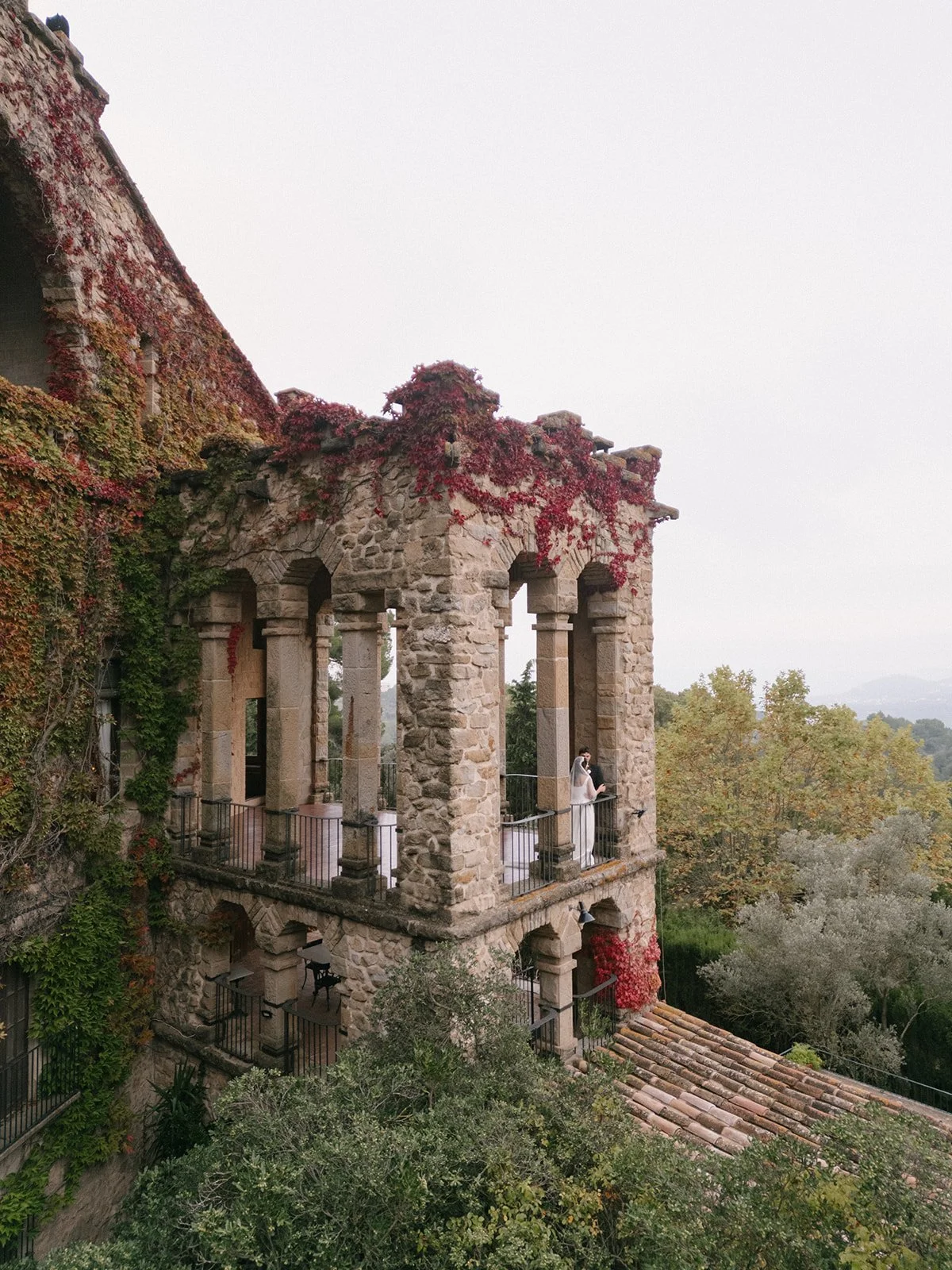
L & A in their autumn fairytale, caught by Sierra Katrina Photography.
November
Can be a little wet, but often still sunny. Long dresses work better than short ones, and a cardigan will be welcome for evenings outside. Daylight is short, so ceremonies work best earlier in the afternoon, with lighting planned for the evening.
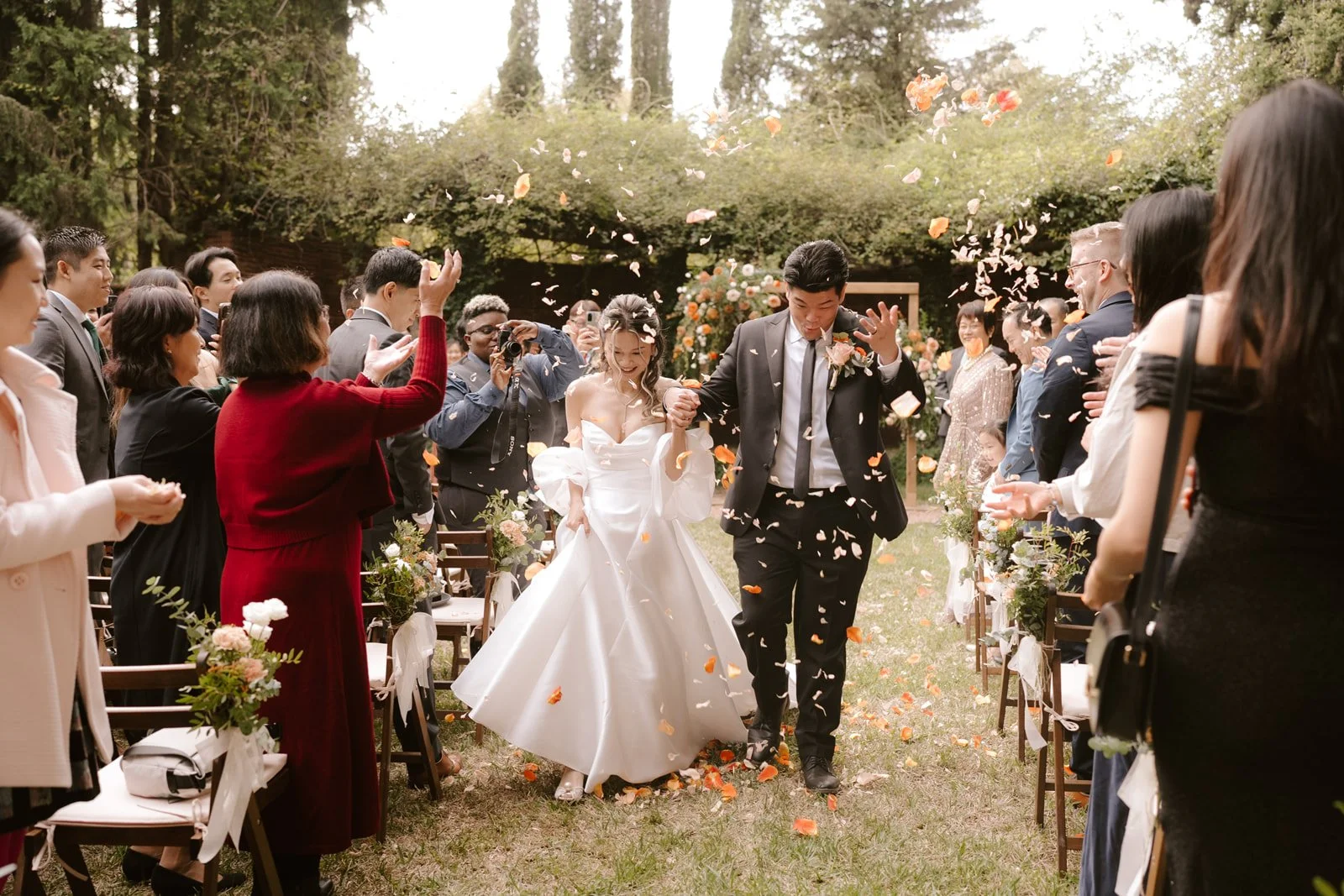
E & L leaving their ceremony under a rain of petals! Captured by Alex Gallardo.
December to March
Quieter months, but some of our loveliest weddings have happened in winter, with crisp, clear sunlight and air. A winter wedding is also a beautiful setting for an intimate celebration or an elopement.
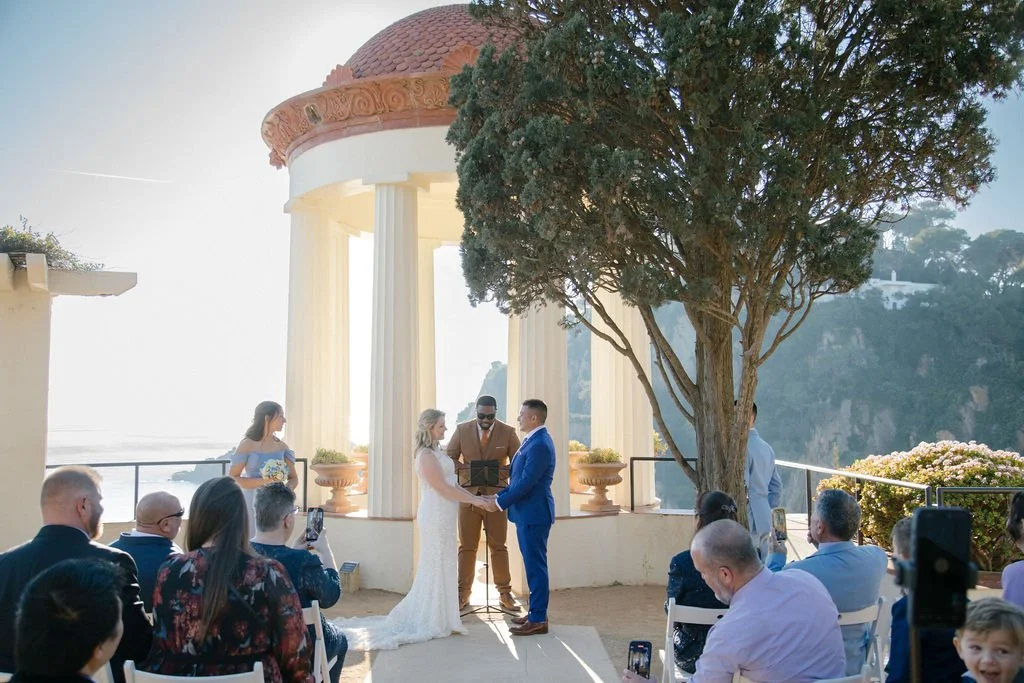
C & B exchanged vows in the December sun! Photographed by Miriam at Kiss & Chips.
The case for April and October
June and September will always be special, and we love them. But the shoulder months have their own advantages:
More comfortable temperatures. With summers getting hotter in recent years, spring and autumn are now easier on you and your guests, especially if some of them are travelling from colder climates.
More choice and often better value. In high season you're competing for dates with local couples as well, and venues and vendors book up quickly. In April and October there's usually more availability, and prices can be more affordable.
Special light. Softer spring sun and the golden tones of autumn make for beautiful photographs.
A little more breathing space for everyone involved.
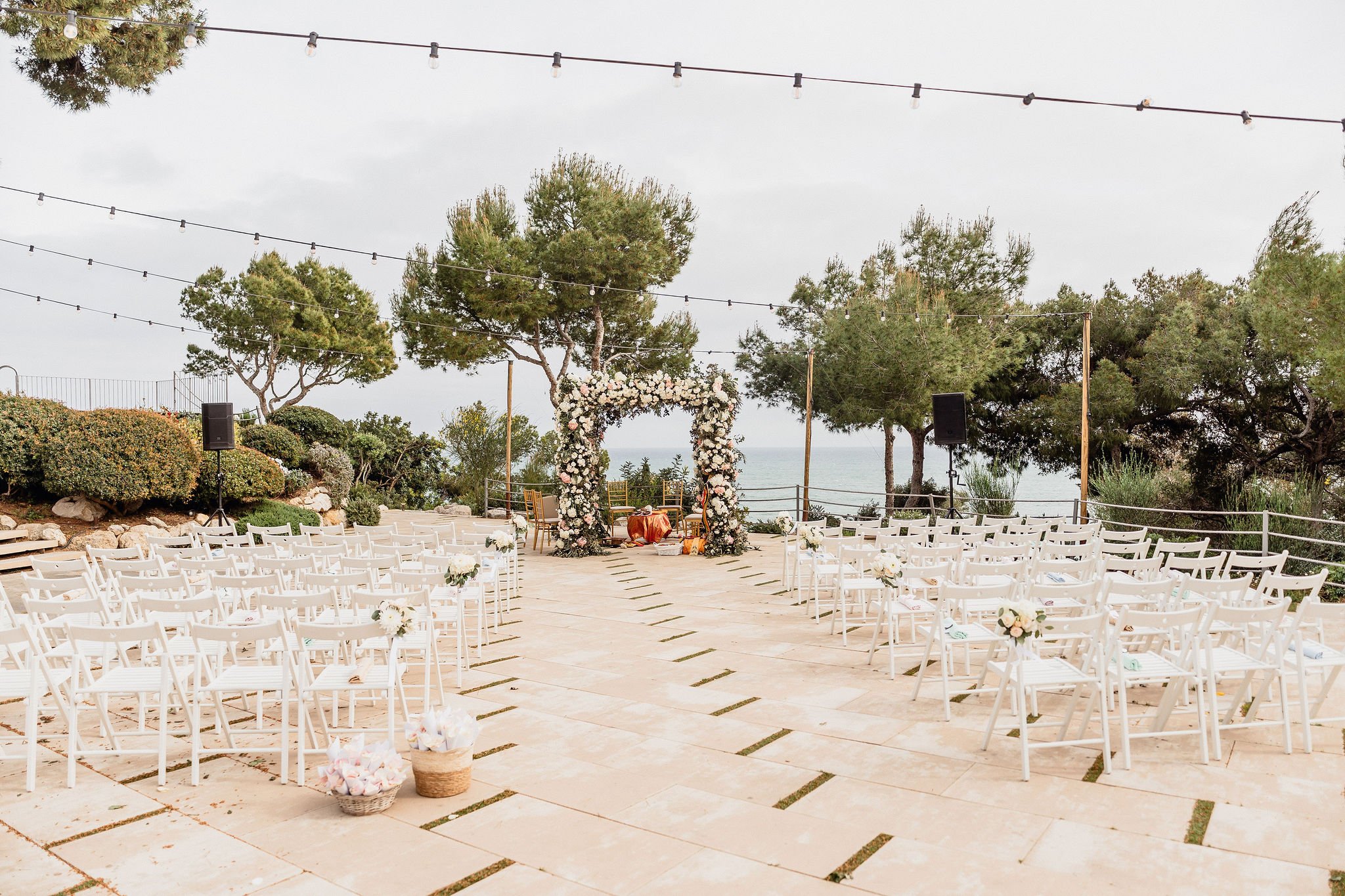
Ceremony setup with a Mandap in April, photo by Anna Svobodova.
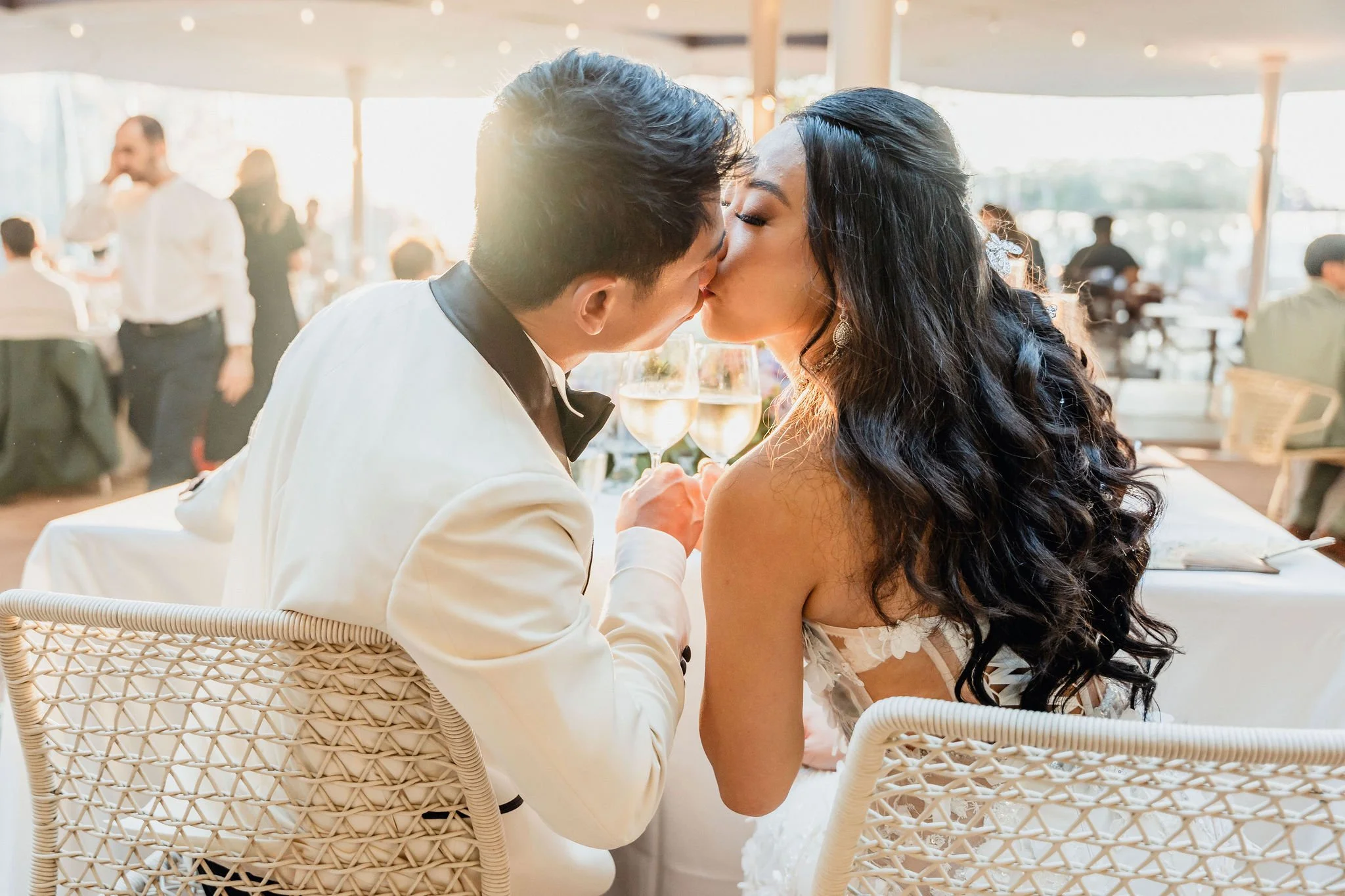
Sun setting at banquet in October, at T & C’s wedding, by Anna Svobodova.
What to plan for
We'd be doing you a disservice if we only told you the good parts. In April, May, October and November:
Pick a venue with a solid plan B. Some rain is possible, so look for a venue with a good indoor option, or ask about a marquee before you sign.
Think about daylight. Sunset falls several hours earlier in November than in June, which affects your ceremony time and photos. Choose a venue with good lighting, or plan to rent some.
Pack a layer. A scarf or light cardigan for the evening.
Don't worry about the sea. What a Spaniard calls cold can feel pleasantly fresh to someone from further north.
A gentler way to celebrate
Choosing a quieter month is also one of the simplest ways to lighten a destination wedding's footprint, and it doesn't ask anything of you in return. Destination weddings naturally involve travel and many guests arriving at once, so choosing a time with less tourist pressure is kind to places like Barcelona and Mallorca and to the people who live there. Off-peak months also mean less air conditioning in venues and guest accommodation.
If you'd like to go a little further, there are easy extras: shared guest transport, and vendors who work sustainably. Most florists recommend seasonal flowers, and many caterers build their menus around local, seasonal produce. Spaniards are rightly proud of their ingredients, and you'll taste the difference. Outside the hottest months, leftovers such as wedding cake can even be kept and enjoyed the next day.
These small choices, like the ones in our Biosphere commitment journey post, make a celebration lighter for the planet without making it any less joyful.
There's no wrong answer, only what feels right for you. If you'd like to talk it through, we're always happy to share what we've seen across all seasons.